



What's Happening?
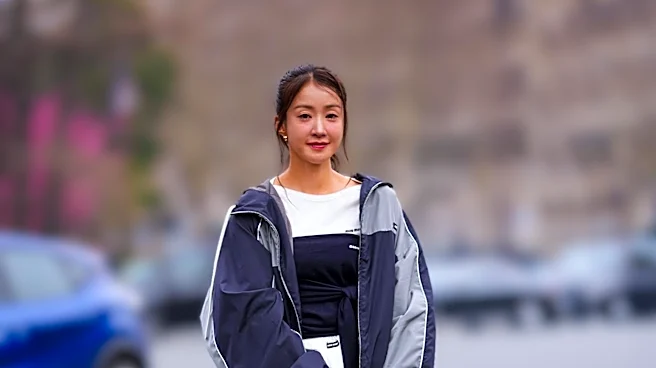
Chinese street style is characterized by a deliberate imbalance in proportions and a strong emphasis on layering. This approach involves combining items with contrasting volumes, such as a boxy top worn over slim, tapered trousers, or a cropped jacket
paired with wider, puddling bottoms. The core principle is that the volumes of different garments should not match, creating a dynamic and intentional mismatch. For instance, a voluminous hoodie is often styled with a narrow leg, while a fitted moto jacket is balanced by a wider, heavier bottom to create tension. Layering is also a fundamental aspect, with garments like hoodies frequently worn partially concealed under an open shirt-jacket, creating a multi-layered look rather than a single, standalone item. This method of dressing is observed in cities like Chengdu and Shanghai, where outfits are constructed with multiple deliberate layers.
Why It's Important?
This distinct approach to street style highlights a significant cultural influence on fashion trends, showcasing how different regions develop unique aesthetic principles. The emphasis on proportion play and layering in Chinese street style offers a fresh perspective on garment combination, moving away from conventional matching volumes. This could influence global fashion trends, inspiring designers and consumers to experiment with more unconventional silhouettes and multi-layered ensembles. For the U.S. fashion industry, understanding these emerging styles from international markets can inform design choices, marketing strategies, and retail offerings, potentially leading to new product lines that cater to a broader range of aesthetic preferences. It also underscores the growing importance of global street style as a source of innovation and trend forecasting, impacting how fashion is perceived and consumed worldwide.
What's Next?
The continued evolution of Chinese street style, with its focus on proportion and layering, is likely to further influence international fashion. Designers and brands may increasingly incorporate these elements into their collections, leading to a broader adoption of mismatched volumes and intricate layering techniques in mainstream fashion. We can anticipate seeing more garments designed to facilitate this style, such as oversized outerwear, varied trouser cuts, and versatile layering pieces. Fashion publications and social media platforms will likely continue to highlight these trends, further disseminating them globally. This could lead to a shift in consumer preferences, with a greater demand for clothing that allows for creative and personalized proportional play and multi-layered outfits, potentially impacting sales and design cycles in the U.S. and beyond.
Beyond the Headlines
The 'grammar' of Chinese street style, with its deliberate imbalance and layering, reflects a deeper cultural appreciation for complexity and nuanced expression in personal presentation. Unlike some Western fashion norms that prioritize symmetry or simplicity, this style embraces a more intricate and thoughtful construction of an outfit. It suggests a cultural value placed on intentionality and artistic arrangement in everyday wear, transforming clothing into a form of visual storytelling. This approach could challenge conventional notions of 'good taste' or 'flattering' silhouettes, encouraging a more experimental and individualistic approach to dressing. It also highlights how fashion can serve as a non-verbal communication tool, conveying cultural identity and aesthetic philosophies through the arrangement of garments.