




What's Happening?
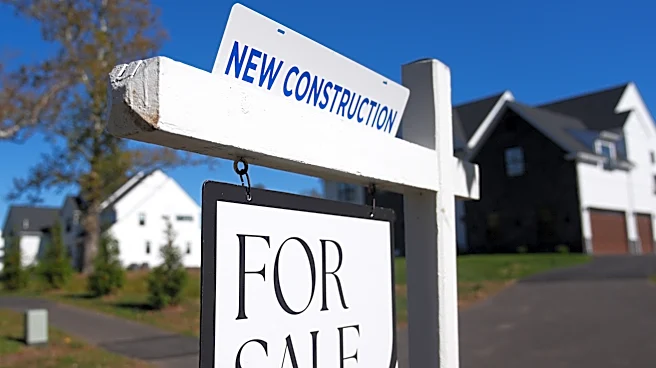
Mortgage rates in the U.S. have climbed to their highest level in a year, with the average 30-year fixed-rate mortgage reaching 6.66% as of July 30, 2026. This increase is attributed to persistent inflation concerns and geopolitical tensions, particularly
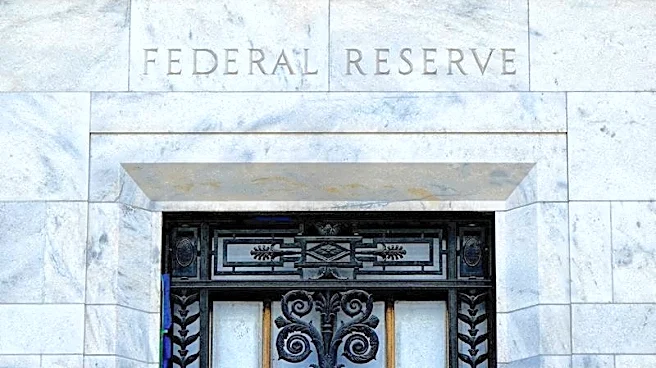
the ongoing conflict in the Middle East. The Federal Reserve's recent decision to keep its benchmark interest rate unchanged has not alleviated investor concerns, as three members of the rate-setting panel voted for a rate hike. The rising rates have contributed to a slowdown in homebuying demand, with mortgage applications and pending home sales both experiencing declines.
Why It's Important?
The rise in mortgage rates is significant as it impacts the affordability of homeownership for many Americans. Higher rates increase monthly mortgage payments, potentially pricing out prospective buyers and slowing down the housing market. This development also reflects broader economic concerns, including inflation and geopolitical instability, which can affect consumer confidence and spending. The situation underscores the delicate balance the Federal Reserve must maintain in managing interest rates to control inflation without stifling economic growth.
What's Next?
If inflationary pressures persist, the Federal Reserve may consider future rate hikes, which could further elevate mortgage rates. Additionally, the ongoing conflict in the Middle East, particularly involving Iran, may continue to influence oil prices and, consequently, inflation. Homebuyers and sellers may need to adjust their strategies in response to these economic conditions, with potential buyers exercising patience and negotiating power in a market with more sellers than buyers.