








What's Happening?
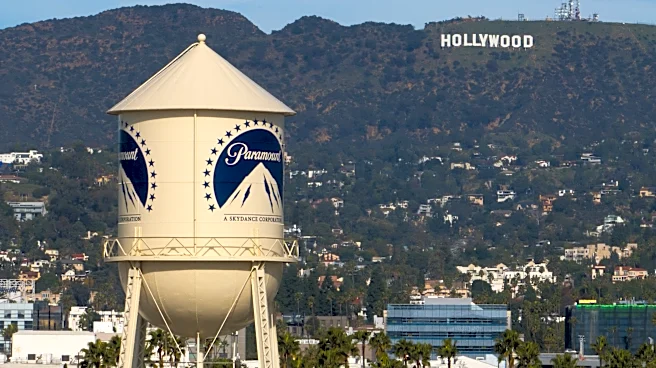
A coalition of 12 state attorneys general, led by California Attorney General Rob Bonta, is seeking to block the $111 billion merger between Paramount and Warner Bros. Discovery. The states have filed a lawsuit in federal court, arguing that the merger would
significantly reduce competition in the entertainment industry. The merger, if completed, would result in Paramount-Warner Bros. controlling over 50 cable channels and a significant portion of the U.S. pay-TV market. The states argue that this consolidation would harm consumers by reducing choices and increasing prices. The U.S. Justice Department has already approved the merger, but the states are challenging this decision, citing potential violations of the Clayton Antitrust Act.
Why It's Important?
The outcome of this legal challenge could have significant implications for the entertainment industry and antitrust enforcement in the U.S. If the merger proceeds, it would create a media giant with substantial control over both content production and distribution, potentially stifling competition and innovation. This case also highlights the ongoing debate over how to define market power in the digital age, as streaming services continue to reshape the media landscape. The decision could set a precedent for future mergers and acquisitions in the industry, influencing how regulators assess market concentration and consumer impact.
What's Next?
The states are seeking a temporary restraining order to halt the merger while the case is pending. If successful, this could delay the merger and increase costs for Paramount, which faces a potential $7 billion payment to Warner Bros. if the deal is not completed by next summer. The case will likely involve extensive legal battles, with both sides presenting arguments on market definitions and antitrust laws. The outcome could influence regulatory approaches to similar mergers in the future, particularly in the rapidly evolving media and entertainment sectors.