



What's Happening?
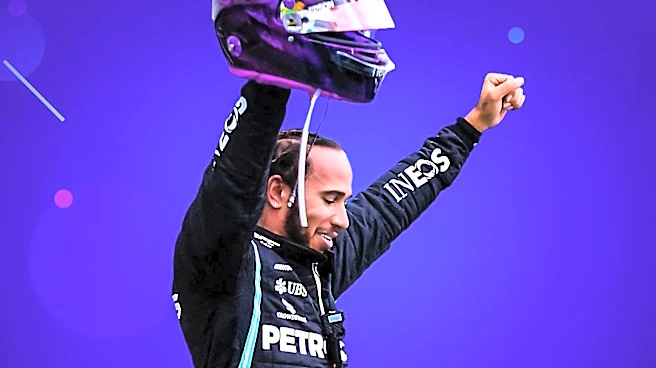
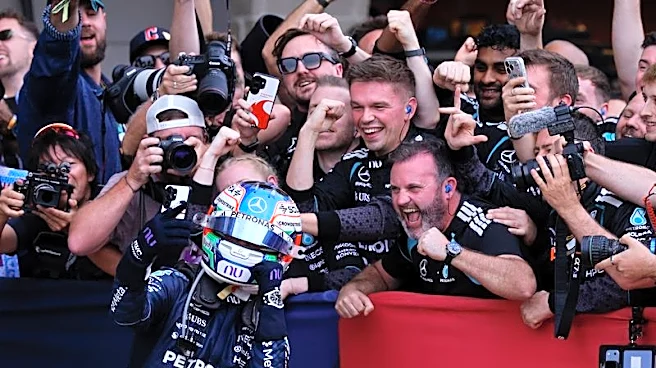
On October 28, 2018, Lewis Hamilton secured his fifth Formula 1 World Championship at the Mexican Grand Prix, despite finishing fourth in a race won by Max Verstappen. This achievement placed Hamilton alongside Juan Manuel Fangio with five world titles,
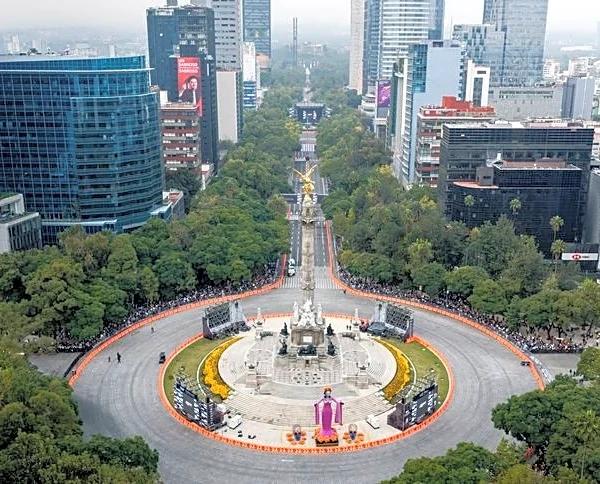
with only Michael Schumacher's seven championships ahead of him at the time. The 2018 season had been a competitive one, with Sebastian Vettel leading the championship at the halfway mark. However, a series of errors by Vettel and strong performances by Hamilton in the latter half of the season allowed him to build a significant points lead. The Mexican Grand Prix, held at a high-altitude track where Mercedes had previously struggled, saw Hamilton comfortably collect the necessary points to end Vettel's championship challenge with two races remaining.
Why It's Important?
This historical event marks a pivotal moment in Lewis Hamilton's career, solidifying his status as one of Formula 1's all-time greats and setting the stage for his eventual record-equalling seven championships. His fifth title underscored Mercedes' dominance during that era and highlighted Hamilton's ability to perform under pressure, even on challenging tracks. For the sport, it showcased the intense rivalry between Hamilton and Vettel, which captivated fans throughout the season. The race also demonstrated the strategic complexities of Formula 1, where championship outcomes can be decided even when a driver doesn't win the race. This milestone contributed to Hamilton's growing legacy and inspired a new generation of motorsport enthusiasts.
What's Next?
While this event is historical, its legacy continues to influence current narratives in Formula 1. Hamilton's pursuit of further records and his ongoing career are often viewed through the lens of his past achievements, including this fifth title. The competitive dynamics established in seasons like 2018 continue to shape team strategies and driver rivalries. The historical context of drivers achieving championships without winning the final race remains a relevant point of discussion in contemporary F1, particularly when title fights go down to the wire. The memory of this championship also serves as a benchmark for current and future drivers aiming to etch their names in the sport's history books.
Beyond the Headlines
The 2018 Mexican Grand Prix, where Hamilton clinched his fifth title, offers a deeper insight into the mental fortitude required to succeed at the pinnacle of motorsport. Hamilton's own description of it as a 'horrible race' despite winning the championship reveals the relentless pursuit of perfection that defines elite athletes. It highlights that even in moments of ultimate triumph, the internal standards of performance can be incredibly high. This event also underscores the broader narrative of legacy building in sports, where each championship adds another layer to a driver's historical standing. The comparison to legends like Fangio and Schumacher emphasizes the continuous evolution of greatness in Formula 1 and the enduring impact of individual achievements on the sport's collective memory.