


What's Happening?
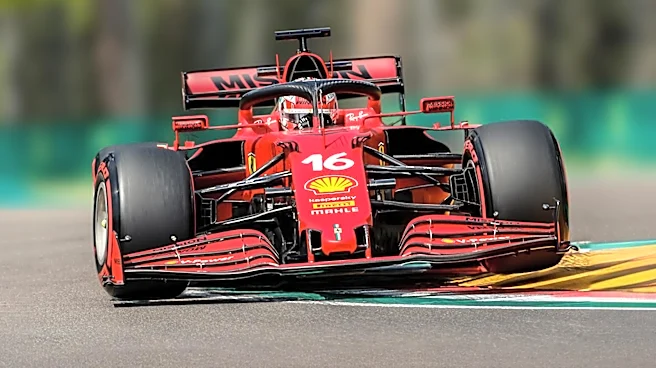
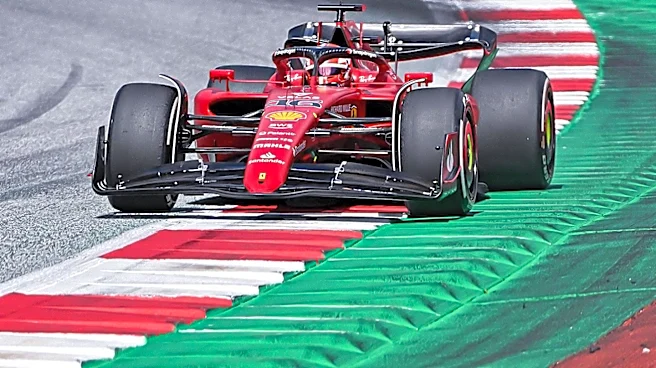
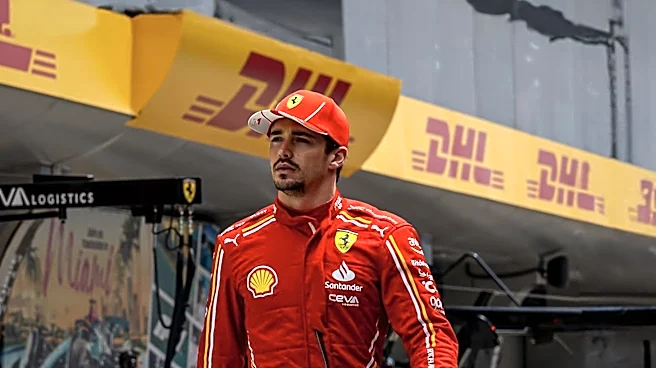
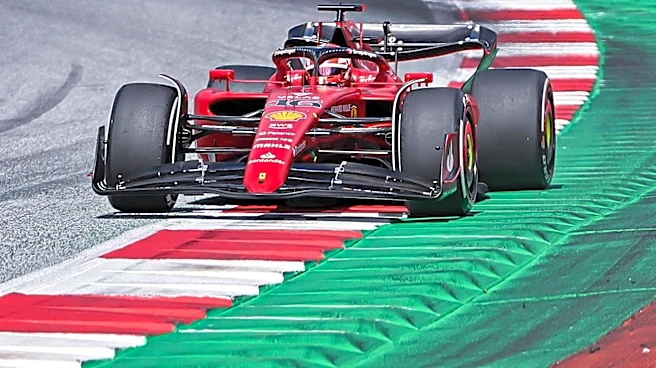
Ferrari faced reliability concerns during the Hungarian Grand Prix, prompting the team to alter the car's configuration to minimize the risk of component failure. Engineers detected potential issues with Charles Leclerc's car during practice, leading
to changes that prioritized safety over speed. These adjustments affected the car's handling and performance, particularly in the second sector of the track. Despite these challenges, Ferrari aimed to prevent a potential race-ending failure, which could have jeopardized their position in the Constructors' Championship.
Why It's Important?
The decision to prioritize reliability over performance highlights the delicate balance teams must maintain between speed and safety in Formula 1. Ferrari's approach underscores the importance of ensuring car reliability to avoid costly retirements that can impact championship standings. This situation also reflects the broader challenges teams face in adapting to technical regulations and managing the trade-offs between performance and durability. Ferrari's experience serves as a reminder of the complexities involved in maintaining competitive performance while safeguarding against mechanical failures.
What's Next?
Ferrari will likely continue to refine their car's setup to achieve a better balance between reliability and performance. The team may explore further technical adjustments and upgrades to enhance the car's speed without compromising safety. Additionally, Ferrari will analyze data from the Hungarian Grand Prix to identify areas for improvement and implement strategies to optimize their performance in future races. As the season progresses, Ferrari will aim to address these challenges to strengthen their position in the championship.