








What's Happening?
During a segment on the 'Today' show, co-anchor Dylan Dreyer openly asked fellow co-anchor Craig Melvin if he was using a GLP-1 medication, following a discussion about fast-food chains adapting to customers using these injections. Melvin had visibly
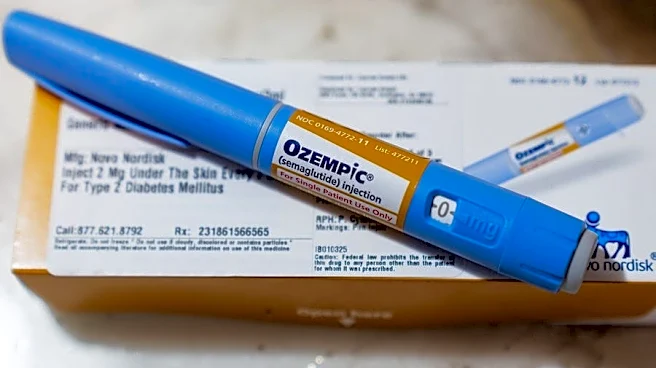
lost weight, which he acknowledged, stating, "I have lost some weight. I know." Dreyer clarified that her question was not judgmental but stemmed from her observation that 'everyone I know is on it.' Melvin did not confirm or deny the use of GLP-1s, which are FDA-approved drugs primarily used to lower blood sugar in individuals with Type 2 diabetes and also aid in weight loss. The exchange highlighted the increasing public discussion around these medications and their growing prevalence.
Why It's Important?
This on-air discussion on a prominent U.S. morning show underscores the significant and growing impact of GLP-1 medications on American society and the healthcare industry. The public nature of Dreyer's question reflects a broader societal conversation about weight loss, health, and the use of pharmaceutical interventions. For the U.S. healthcare sector, the increasing demand for GLP-1 drugs presents both opportunities and challenges, including supply chain management, insurance coverage debates, and ethical considerations regarding off-label use. Economically, pharmaceutical companies producing these drugs are experiencing substantial growth, while industries like fast food are already adapting their offerings to cater to a population potentially consuming fewer calories. The conversation also highlights evolving perceptions of body image and the role of medication in achieving health goals, influencing public health discourse and individual choices across the nation.
What's Next?
The public conversation surrounding GLP-1 medications is expected to continue to grow, influencing various sectors. Pharmaceutical companies will likely continue to invest heavily in research and development for new and improved versions of these drugs, potentially leading to more accessible and effective treatments. Healthcare providers will face increased demand for information and prescriptions, necessitating updated guidelines and patient education. The food industry, particularly fast-food chains, may further adapt their menus to offer more health-conscious options, responding to changing consumer habits driven by these medications. Discussions about insurance coverage for GLP-1s, especially for weight loss purposes, are also anticipated to intensify, potentially leading to policy changes. Public figures like Craig Melvin may continue to be subjects of speculation, further normalizing or scrutinizing the use of these drugs in the public eye.
Beyond the Headlines
The 'Today' show exchange about GLP-1 medications touches upon deeper societal implications beyond just weight loss. It highlights the increasing medicalization of aesthetic concerns and the potential for pharmaceutical solutions to become a default for managing body image. This trend raises ethical questions about the long-term health impacts of widespread GLP-1 use, the potential for over-reliance on medication rather than lifestyle changes, and issues of equitable access to these expensive treatments. Culturally, it reflects a shift in how weight is discussed and perceived, moving from purely personal responsibility to a more complex interplay of biology, environment, and medical intervention. The conversation also subtly challenges traditional notions of privacy regarding personal health choices, especially for public figures. This development could lead to a broader re-evaluation of public health strategies, emphasizing a more holistic approach that integrates medical advancements with sustainable lifestyle practices and mental well-being.