



What's Happening?
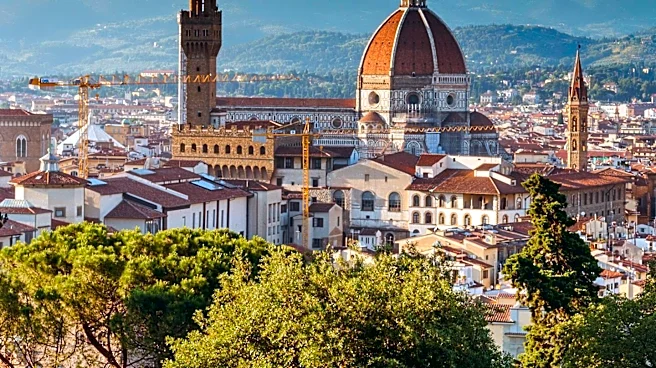
Florence, a city renowned for its cultural heritage, is increasingly focusing on sustainable tourism to manage the impact of millions of visitors. The city is promoting responsible exploration, encouraging visitors, particularly students studying abroad,
to become part of the city rather than just passing through. This involves making conscious choices about how they move around, what they buy, where they eat, how they use resources, and how they interact with local communities. Initiatives include encouraging walking and public transportation, using reusable water bottles, eating locally and seasonally, and exploring beyond the main city center. The goal is to mitigate the pressure tourism places on local communities, public spaces, natural resources, and the environment, while still allowing for cultural exchange and economic development. The Accademia Europea di Firenze (AEF) is integrating sustainability into its educational experience, encouraging students to connect environmental awareness with their daily choices and community engagement.
Why It's Important?
The emphasis on sustainable tourism in Florence is significant as it addresses the global challenge of balancing economic benefits from tourism with the preservation of local culture and environment. For the U.S., this trend highlights a growing awareness among travelers about their impact and could influence how American tourists approach international travel. As more U.S. citizens seek responsible travel options, the demand for sustainable practices in the tourism industry, both domestically and abroad, is likely to increase. This could lead to U.S. travel agencies and tour operators prioritizing eco-friendly partners and destinations. Furthermore, the educational component, as seen with AEF, underscores the importance of fostering a generation of globally conscious travelers. This shift can impact U.S. educational institutions offering study abroad programs, prompting them to incorporate sustainability into their curricula and operational guidelines, thereby shaping future travel behaviors and promoting a more ethical approach to global engagement.
What's Next?
Florence is expected to continue implementing and expanding its sustainable tourism initiatives, potentially introducing more incentives for eco-friendly behaviors and stricter regulations for tourism operators. The city may also invest further in public awareness campaigns to educate both residents and visitors on responsible practices. For U.S. travelers and institutions, this means a continued evolution in travel expectations and offerings. Study abroad programs will likely place a greater emphasis on sustainable living and community integration. Businesses in the U.S. travel sector may need to adapt by offering more sustainable travel packages and promoting destinations that prioritize environmental and social responsibility. This could also spur innovation in sustainable travel technologies and services, as the industry responds to the increasing demand for responsible tourism options.
Beyond the Headlines
The movement towards sustainable tourism in Florence reflects a broader global re-evaluation of consumption and impact, extending beyond environmental concerns to encompass social and cultural preservation. Ethically, it challenges the notion of tourism as mere consumption, advocating instead for a reciprocal relationship between visitor and host community. This shift has profound implications for cultural heritage sites worldwide, including those in the U.S., prompting a re-assessment of how these sites are managed and presented to ensure their longevity and authenticity. Legally, it could lead to the development of international standards for sustainable tourism, influencing policy-making in various countries. Culturally, it fosters a deeper appreciation for local traditions and ways of life, encouraging travelers to engage more meaningfully with the places they visit. This long-term trend suggests a future where travel is not just about seeing new places, but about understanding, respecting, and contributing positively to them, thereby transforming the very essence of global exploration.