







What's Happening?
Prebiotic sodas, including brands like Poppi and OLIPOP, are experiencing a surge in popularity, positioning themselves as a healthier alternative to traditional soft drinks. These 'functional' beverages are marketed for their gut health benefits, often
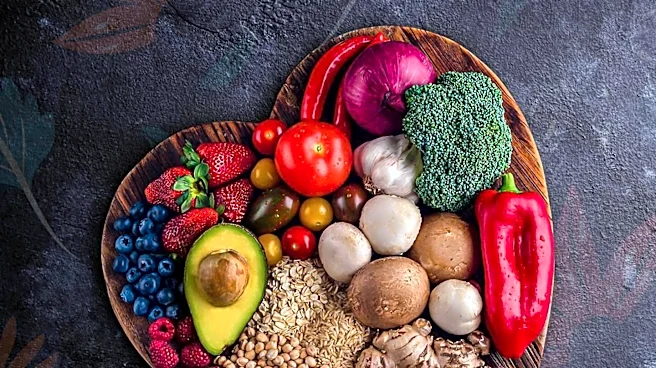
containing prebiotic fibers such as inulin or chicory root fiber. These fibers are intended to nourish beneficial gut bacteria and support the production of short-chain fatty acids. While many of these sodas offer significantly less sugar than conventional options, experts from Oshi Health, including registered dietitians Adrienne Dowd and Beth Rosen, and GI provider Robbie Leinart, suggest that while they can be a suitable addition to a gut-healthy diet, they should not replace fiber obtained from whole foods. The isolated fiber molecules in sodas lack the comprehensive nutritional benefits, such as vitamins, minerals, and antioxidants, found in whole foods like fruits, vegetables, and lentils. Some individuals, particularly those with conditions like Irritable Bowel Syndrome (IBS) or FODMAP sensitivities, may experience digestive discomfort, such as bloating, due to highly fermentable ingredients like inulin, chicory root extract, and sugar alcohols like sorbitol and mannitol.
Why It's Important?
The growing trend of prebiotic sodas reflects a broader consumer interest in functional foods and beverages that promise health benefits beyond basic nutrition. This shift impacts the U.S. beverage industry, driving innovation and competition among companies seeking to capture market share from traditional soda manufacturers. For consumers, these products offer a perceived healthier choice, potentially leading to reduced sugar intake if used as a substitute for sugary drinks. However, the expert opinions highlight a critical distinction between marketing claims and scientific evidence. Over-reliance on prebiotic sodas for fiber intake could lead to a nutritional gap, as these drinks do not provide the full spectrum of nutrients found in whole foods. This situation underscores the importance of informed consumer choices and the need for clear communication from manufacturers regarding the actual benefits and limitations of their products. The potential for digestive discomfort in sensitive individuals also raises concerns about product suitability for all consumers, emphasizing that 'healthier' alternatives are not universally beneficial.
What's Next?
The market for functional beverages is likely to continue expanding, with new products and formulations emerging to meet consumer demand for health-conscious options. Manufacturers may focus on developing products with different types of prebiotics or sweeteners to mitigate potential side effects like bloating, or to cater to specific dietary needs. There could also be increased scrutiny from health organizations and regulatory bodies regarding the health claims made by these brands, potentially leading to stricter labeling requirements to ensure consumers are fully informed. As awareness grows about the differences between isolated fiber and whole-food fiber, there may be a push for more educational campaigns to guide consumers toward balanced dietary approaches. Additionally, research into the long-term effects and optimal dosages of prebiotics in beverage form may continue, influencing future product development and dietary recommendations.
Beyond the Headlines
The rise of prebiotic sodas points to a deeper cultural shift towards self-optimization and the pursuit of health through dietary interventions. This trend is fueled by social media and marketing, which often amplify perceived benefits, sometimes overshadowing nuanced scientific understanding. The emphasis on 'gut health' reflects a growing public awareness of the microbiome's role in overall well-being, but it also creates a market for products that may offer only partial solutions. Ethically, the marketing of these sodas as 'miracle' drinks without fully addressing their limitations or potential side effects for certain individuals raises questions about corporate responsibility. This phenomenon also highlights the ongoing challenge of translating complex nutritional science into accessible and accurate consumer information, especially in a fast-paced commercial environment. The long-term societal impact could include a greater focus on preventive health through diet, but also a risk of consumers overlooking the foundational importance of whole, unprocessed foods in favor of convenient, fortified alternatives.