



What's Happening?
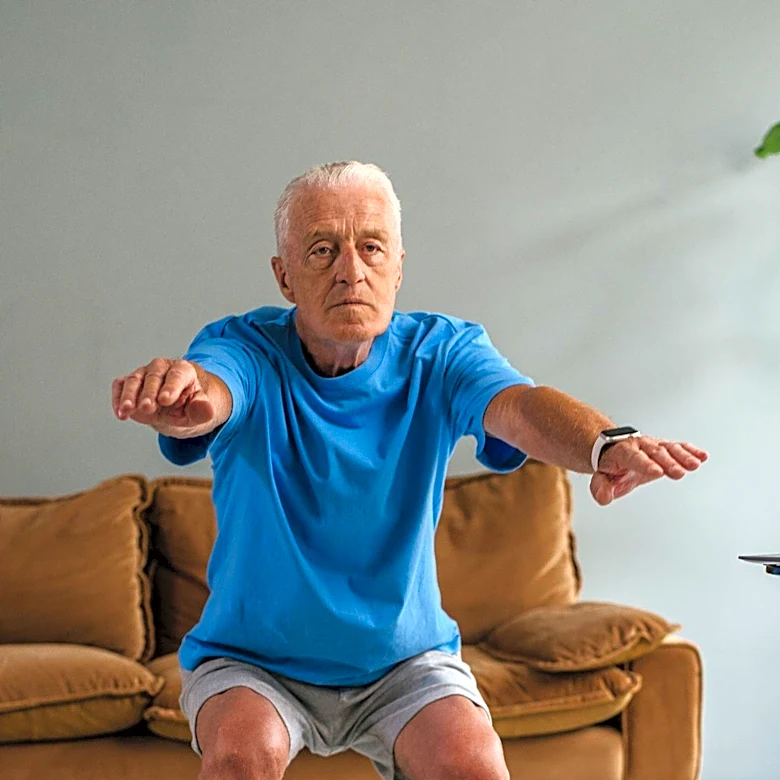
An 8-week Chen-style Taijiquan program has been developed and evaluated to improve physical fitness in older adults. The study, conducted in Jiaozuo City, focused on addressing age-related declines in balance, flexibility, and lower-limb strength. Forty-eight
older adults, aged 60-70, were divided into an experimental group that participated in the supervised Taijiquan program (5 days/week, 90 minutes/session) and a control group that maintained their usual activities. The program's development involved expert interviews, a focus group, and connoisseurship validation to ensure its structure and progression were tailored to the local elderly population. Post-tests revealed significant improvements in balance force, flexibility, and lower limb muscle strength within the experimental group compared to their pre-test results and the control group.
Why It's Important?
The findings of this study are important for the broader understanding of senior fitness and the potential benefits of structured exercise programs. As the global population ages, maintaining physical fitness and independence in older adults becomes increasingly crucial for public health and quality of life. The success of this Taijiquan program in improving key physical fitness components—balance, flexibility, and lower-limb strength—suggests a viable, low-impact intervention that could be adopted in various communities. Improved balance can significantly reduce the risk of falls, a major cause of injury and mortality in the elderly. Enhanced flexibility and strength contribute to better mobility and the ability to perform daily activities, thereby reducing reliance on caregivers and healthcare services. This research provides evidence for the effectiveness of a specific, culturally relevant exercise modality that could be integrated into senior wellness initiatives.
What's Next?
Following the successful evaluation, the next steps could involve broader implementation and further research into the long-term effects of the Taijiquan training program. The program, deemed scientific and practical by experts, could be scaled up to reach a larger population of older adults, potentially through community centers, senior living facilities, or public health initiatives. Future studies might explore the program's impact on other health indicators, such as cognitive function, mental well-being, and chronic disease management. Additionally, research could investigate the optimal duration and intensity of the program for sustained benefits, as well as its adaptability to different cultural contexts and physical capabilities of seniors. The development of standardized training protocols and instructor certification could also facilitate wider adoption and ensure consistent quality of the program.
Beyond the Headlines
Beyond the immediate physical benefits, the successful implementation of programs like this Taijiquan training could have deeper societal implications. Promoting active aging through accessible and engaging exercise forms can foster social connections and community engagement among older adults, combating isolation and improving overall life satisfaction. The emphasis on a traditional practice like Taijiquan also highlights the potential for integrating cultural heritage into modern health interventions, making fitness more appealing and sustainable for specific populations. Furthermore, by reducing the incidence of age-related physical decline and associated healthcare costs, such programs can contribute to more sustainable healthcare systems. The study underscores the importance of tailored, evidence-based interventions in addressing the unique health challenges of an aging demographic, moving beyond generic exercise recommendations to culturally sensitive and effective solutions.