

What's Happening?
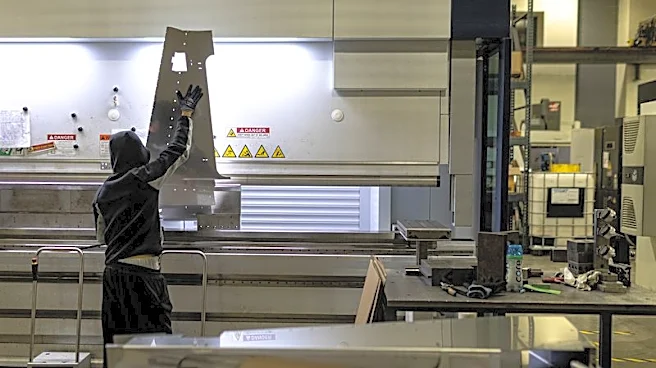
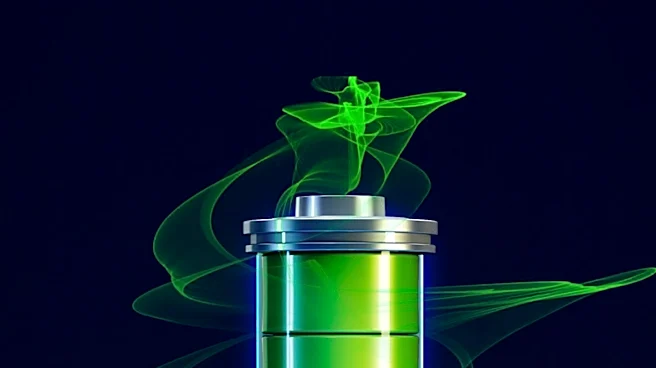
Battery materials startup Sila has announced a $300 million funding round to expand its factory in Washington State. The expansion aims to increase production of silicon-carbon anode material to tens of gigawatt-hours per year, sufficient to power over
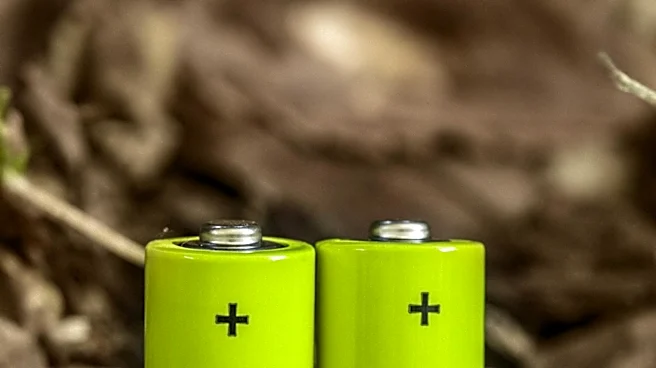
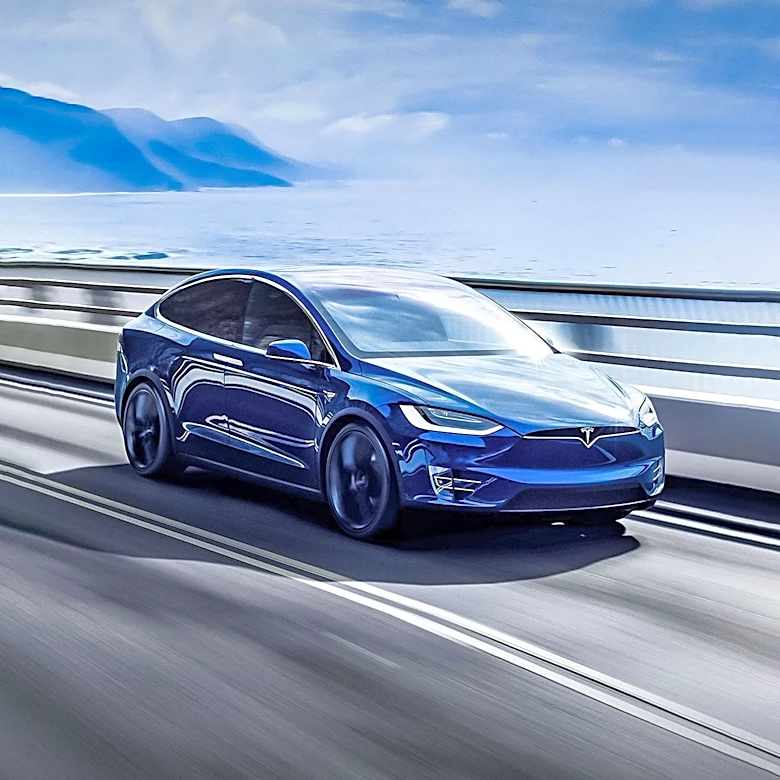
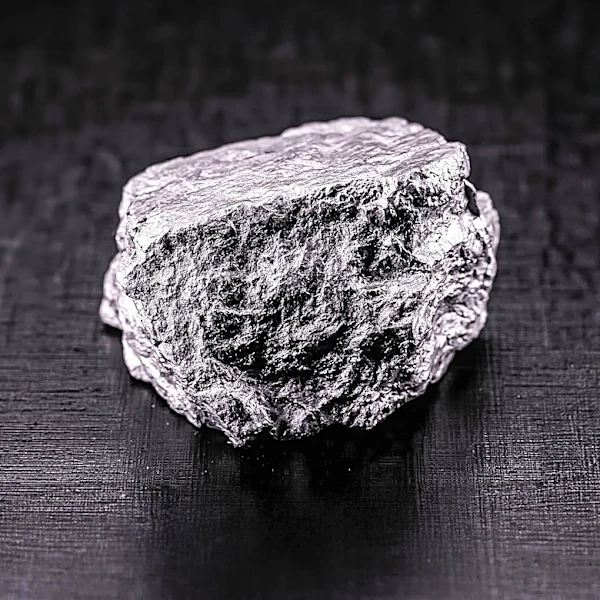
100,000 electric vehicles (EVs). This move comes as the U.S. EV market experiences a slowdown, partly due to policy shifts under the Trump administration. Despite this, global EV sales have risen by 27% year-over-year. Sila's anode material, which can store more energy and charge faster than traditional graphite anodes, is seen as a viable alternative to Chinese-controlled graphite supplies. The company has secured supply deals with major firms like Mercedes and Panasonic.
Why It's Important?
Sila's expansion is significant as it addresses the growing demand for alternative battery materials in the face of geopolitical and supply chain challenges. By increasing domestic production capacity, Sila is positioning itself as a key player in the U.S. battery supply chain, potentially reducing reliance on Chinese imports. This development could have broader implications for the U.S. EV industry, which is seeking to overcome current market slowdowns and policy hurdles. The investment also highlights the ongoing interest and confidence in the future of EVs and renewable energy technologies, despite temporary market setbacks.
What's Next?
The expansion of Sila's factory is expected to bolster the U.S. battery supply chain, potentially influencing other companies to invest in similar technologies. As the factory ramps up production, it may lead to increased partnerships with automakers and tech companies seeking reliable and efficient battery materials. The broader industry will likely monitor Sila's progress as a case study for scaling up advanced battery material production domestically.