



What's Happening?
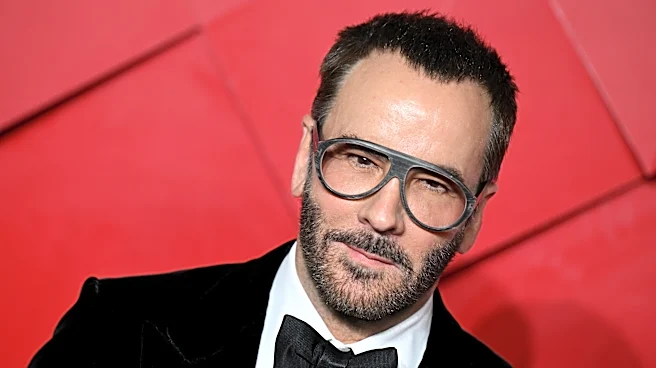
The Estée Lauder Companies completed its acquisition of the entire TOM FORD brand in April 2023, taking full control of its beauty business. This move follows years of Estée Lauder operating the TOM FORD beauty segment under a licensing agreement. The acquisition was
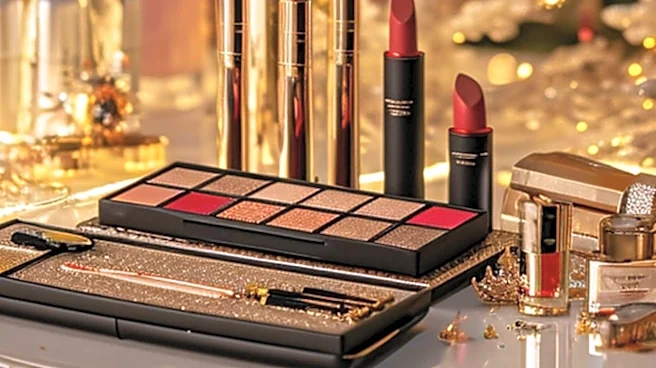
valued at an enterprise value of $2.8 billion. TOM FORD is a significant contributor to Estée Lauder's fragrance category, which has been identified as its fastest-growing segment. In fiscal 2026, fragrance sales reached $2.779 billion, representing 18.5% of total sales, with organic sales growing by 10%. The momentum continued into the first quarter of fiscal 2027, with a 20% organic growth in fragrance. The TOM FORD brand includes popular products such as its Private Blend scents, including 'Lost Cherry.' This acquisition is part of Estée Lauder's broader strategy to expand its portfolio and strengthen its position in the prestige beauty market, which also includes brands like Clinique, M·A·C, and La Mer.
Why It's Important?
This acquisition significantly impacts the U.S. beauty industry by consolidating a major luxury brand under one of the world's leading beauty conglomerates. For Estée Lauder, gaining full ownership of TOM FORD allows for greater strategic control over product development, marketing, and distribution, potentially leading to increased market share and profitability in the high-end fragrance and makeup sectors. The move also signals Estée Lauder's confidence in the luxury beauty market, particularly in fragrances, which is experiencing robust growth. Competitors in the prestige beauty space may face increased pressure as Estée Lauder leverages its expanded portfolio and operational efficiencies. Consumers of TOM FORD products could see changes in product availability, marketing campaigns, or new product introductions as the brand becomes fully integrated into Estée Lauder's global operations. This strategic consolidation reflects a broader trend in the beauty industry where major players are acquiring successful independent brands to diversify and strengthen their market presence.
What's Next?
Following the full acquisition, Estée Lauder is expected to further integrate the TOM FORD brand into its operational framework. This could involve streamlining supply chains, optimizing marketing strategies, and potentially expanding TOM FORD's global retail footprint. The company's focus on fragrance as a key growth driver suggests that there may be increased investment in developing new TOM FORD scents and expanding existing lines. Estée Lauder's overall 'Beauty Reimagined' strategy, which includes a restructuring program aimed at cost reduction and reinvestment into brand development, will likely influence how TOM FORD is managed moving forward. Stakeholders, including investors and industry analysts, will be watching to see how this acquisition contributes to Estée Lauder's stated goals of mid-single-digit organic sales growth and double-digit adjusted EPS growth through fiscal 2030. The company will also need to balance maintaining TOM FORD's distinct luxury identity while leveraging Estée Lauder's extensive resources.
Beyond the Headlines
The full acquisition of TOM FORD by Estée Lauder highlights the evolving landscape of luxury brand ownership and the increasing importance of vertical integration in the beauty industry. This move allows Estée Lauder to capture a larger share of the value chain, from product creation to retail, potentially enhancing profit margins and brand control. It also underscores the strategic value of established luxury brands with strong consumer loyalty, making them attractive targets for larger corporations seeking to diversify and strengthen their portfolios. From a broader perspective, such consolidations can lead to both benefits and challenges. While they can provide brands with greater resources for innovation and global expansion, they also raise questions about maintaining the unique creative vision and exclusivity that often define luxury labels. The long-term success of this acquisition will depend on Estée Lauder's ability to nurture TOM FORD's distinct brand identity while integrating it effectively into its corporate structure.