






What's Happening?
BIO-key International, Inc. (Nasdaq: BKYI), a global provider of Identity and Access Management (IAM) and biometric authentication solutions, has announced a new contract with a Middle East government institution. This institution has selected BIO-key to
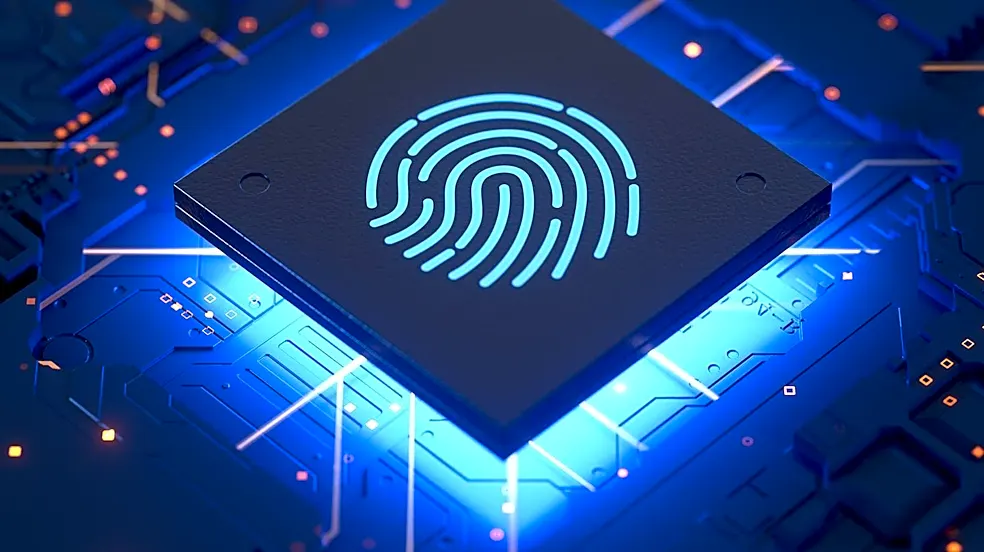
replace its existing authentication methods with secure, passwordless biometric authentication. The goal is to enhance access security and simplify the authentication experience for its workforce. The deployment includes BIO-key’s PortalGuard® platform, Passkey:YOU™ FIDO2 passwordless authentication, WEB-key biometric authentication engine, and EcoID III enterprise fingerprint scanners. This integrated Identity-Bound Biometrics (IBB) solution aims to reduce the risk of credential compromise and improve operational efficiency. The customer, a deeply security-conscious organization within a Gulf region national government, has opted to remain anonymous, a common practice in high-level IT security deployments. This marks BIO-key's seventh new customer in the Gulf region within the last six months, indicating growing traction in the Middle East market.
Why It's Important?
This contract signifies a growing trend among government and critical infrastructure organizations in the Middle East to invest in advanced digital identity and Zero Trust security solutions. The adoption of passwordless biometric authentication by a government entity underscores the increasing recognition of its importance in safeguarding sensitive data and systems. For BIO-key, this represents a significant expansion of its footprint in a key international market, demonstrating the global demand for robust identity and access management solutions. The transition to biometric authentication offers enhanced security by binding digital identity directly to an individual, making it more resistant to phishing attacks compared to traditional methods that rely on devices, passwords, or tokens. This move also highlights the broader shift towards improving operational efficiency within government institutions through technological modernization, ultimately benefiting the security posture of national governments.
What's Next?
The implementation of BIO-key's solution is being carried out in partnership with VaporVM, a strategic integration partner in the Gulf region, which will provide local implementation, deployment, and ongoing technical services. This partnership aims to ensure a seamless integration and long-term operational success for the Middle East government institution. Following this deployment, BIO-key is likely to continue its expansion efforts in the Middle East, targeting other governments and critical infrastructure organizations that are accelerating investments in digital identity and passwordless authentication as part of broader digital transformation initiatives. The success of this project could serve as a case study, encouraging other entities in the region to adopt similar advanced security measures, further solidifying BIO-key's market position.
Beyond the Headlines
The shift towards Identity-Bound Biometrics (IBB) represents a fundamental change in how digital identities are secured. By linking identity directly to an individual's unique biological characteristics, the solution offers a higher level of assurance and control than traditional methods. This approach not only mitigates common cyber threats like phishing and credential theft but also addresses the human element of security by simplifying the user experience, potentially reducing human error. The ethical implications of widespread biometric data collection and storage, particularly by government entities, will become increasingly relevant. Ensuring the privacy and integrity of this sensitive data will be paramount. This trend also reflects a broader global movement towards a passwordless future, where convenience and enhanced security converge, reshaping the landscape of digital authentication and access control across various sectors.