






What's Happening?
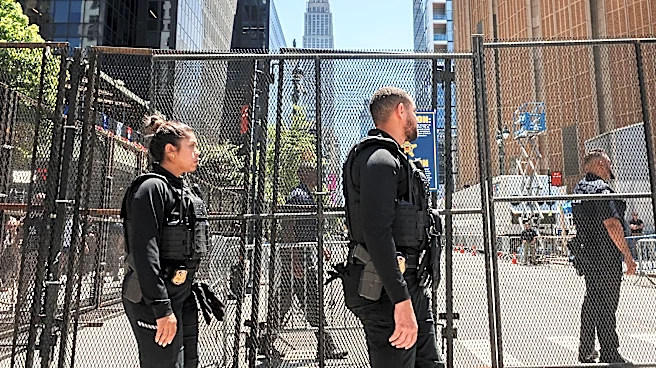
New York City's Local Law 61 of 2026, effective July 28, 2026, establishes new workplace protections for certain private-sector security guards. The law will be phased in, beginning with minimum wage requirements on January 1, 2027. Covered security guard employers
must pay their guards a wage that meets or exceeds the rates for private sector security guards on New York City public building service contracts exceeding $1,500. For example, unarmed security guards with 0-36 months of employment will earn $18.87 per hour from January 1, 2027, to April 30, 2027, increasing to $19.68 per hour from May 1, 2027, to June 30, 2027. Armed security guards will see rates of $33.70 and $34.65 for the same periods, respectively. The law further mandates paid time off benefits starting January 1, 2028, and supplemental benefits beginning January 1, 2029, aligning with standards for public building service contracts. The Department of Consumer and Worker Protection (DCWP) will conduct education and outreach and report annually on enforcement. Employers must also retain records for six years and provide a notice of rights to security guards at the start of employment or within 30 days of the law's effective date.
Why It's Important?
This new legislation significantly impacts private security guard employers and their employees in New York City. By standardizing wages, paid time off, and supplemental benefits, Local Law 61 aims to improve the working conditions and economic stability of a critical workforce. This could lead to increased job satisfaction and reduced turnover within the security industry, which is essential for public safety and business operations across the city. For employers, compliance will necessitate adjustments to payroll, benefits administration, and record-keeping practices. The phased implementation provides a transition period, but businesses must prepare for these changes to avoid penalties. The law also ensures greater transparency and accountability, as employers are required to provide notices of rights and maintain detailed records, which can be accessed by the DCWP during investigations. This move reflects a broader trend in urban centers to enhance worker protections, particularly for those in service industries.
What's Next?
Employers of private-sector security guards in New York City must prepare for the upcoming phases of Local Law 61 of 2026. The immediate focus is on implementing the new minimum wage rates by January 1, 2027. Following this, employers will need to establish or adjust their paid time off policies to meet the required standards by January 1, 2028, and supplemental benefits by January 1, 2029. The DCWP will publish updated wage schedules and a Notice of Employee Rights, which employers are mandated to provide to their security guards. Employers should also review their record-keeping systems to ensure compliance with the six-year retention requirement. Collective bargaining agreements may offer exceptions if they expressly waive the law's provisions and provide comparable or superior benefits. The DCWP will actively monitor compliance and conduct outreach to ensure both employers and employees are aware of their rights and obligations under the new law.
Beyond the Headlines
The 'Local Law 61 of 2026' highlights the increasing recognition of the vital role security guards play in urban environments and the need for equitable compensation and benefits. This legislation could serve as a model for other major U.S. cities looking to address labor standards for essential service workers. Beyond the economic impact, the law underscores a societal shift towards valuing and protecting workers in often overlooked sectors. It also raises questions about the potential for similar legislative efforts to extend to other contract-based or outsourced service roles, aiming to close gaps in worker protections. The requirement for detailed record-keeping and transparency also reflects a growing demand for corporate accountability in labor practices, pushing companies to be more diligent in how they manage and compensate their workforce. This could lead to a more formalized and professionalized security industry, with long-term benefits for both workers and the communities they serve.