







What's Happening?
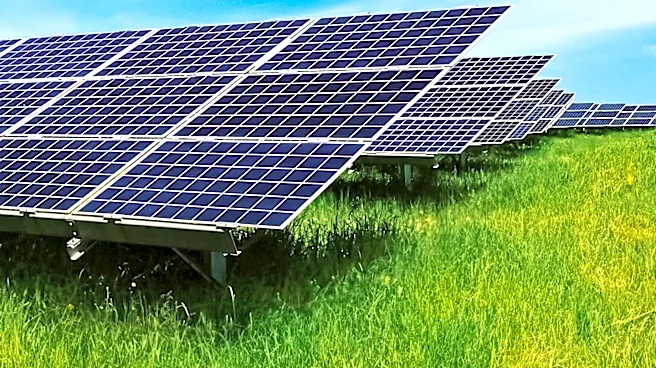
Texas Tax Code Section 11.27 allows homeowners and commercial property owners to exempt the added value of solar arrays and on-site battery energy storage systems from property taxes. This means that properties with these installations are taxed as if
the solar panels and battery storage were never installed, as long as the system remains on the property. To claim this exemption, property owners or their tax professionals must prepare and file Form 50-123 with their county appraisal district. This one-page form requires property information, a description of the devices, the installation date, and a certification that the system is primarily for on-site use. The deadline for filing is April 30 of the tax year for which the exemption is sought. Once filed, the exemption remains in effect permanently without the need for annual refiling, provided the system is operational and the property owner retains ownership. This benefit stacks with other exemptions like homestead exemptions and agricultural valuations.
Why It's Important?
This property tax exemption significantly enhances the financial viability of solar and battery storage installations for Texans. By preventing an increase in property taxes due to these improvements, it removes a potential disincentive for adopting renewable energy technologies. For example, an added value of $30,000 from a solar array, at a typical Texas tax rate of 1.8%, would save a homeowner approximately $540 annually. Over a 25-year system lifespan, this could amount to over $13,000 in cumulative savings. This incentive encourages more residents and businesses to invest in solar energy, contributing to a cleaner energy grid and reducing reliance on traditional power sources. It also promotes energy independence and can help homeowners mitigate rising electricity costs. The clarity and permanence of this exemption provide long-term financial predictability for those considering renewable energy investments.
What's Next?
Property owners in Texas who have installed or are planning to install solar arrays and on-site battery energy storage systems should file Form 50-123 with their county appraisal district by April 30 to claim the property tax exemption. It is advisable to contact the local county appraisal district beforehand, as requirements for supporting documentation (such as photos, installation invoices, or interconnection agreements) can vary. For commercial properties, additional considerations apply, including ownership structure, business personal property classification, and potential conflicts with Chapter 312 abatements. Commercial property owners should consult with tax advisors to navigate these complexities. The continued availability and promotion of this exemption are likely to further drive the adoption of solar and battery storage solutions across Texas, contributing to the state's renewable energy goals and offering substantial long-term savings for property owners.
Beyond the Headlines
The Texas property tax exemption for solar and battery storage systems highlights a broader trend of state-level policies designed to accelerate the transition to renewable energy. By directly addressing the financial implications of property value increases due to solar installations, Texas is removing a significant barrier to adoption. This policy not only provides a tangible economic benefit to individual property owners but also indirectly supports the growth of the solar industry within the state, creating jobs and fostering technological innovation. The emphasis on 'primarily for on-site use' in the exemption criteria also underscores a policy preference for distributed energy generation that directly benefits the property owner, rather than large-scale commercial power generation for grid sale. This approach could lead to a more resilient and decentralized energy infrastructure, reducing strain on the main grid and enhancing energy security for communities.