







What's Happening?
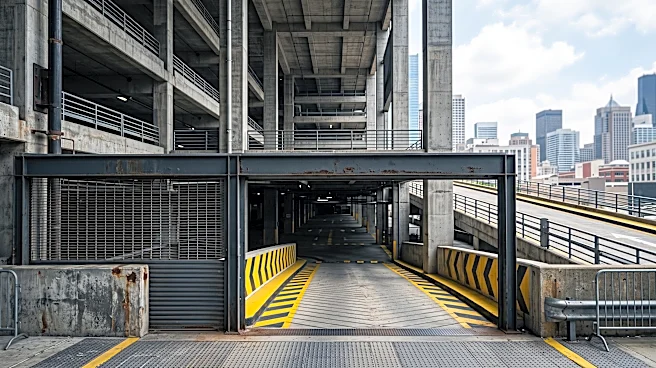
A potential strike by over 1,000 Chicago parking garage employees could commence as early as Sunday, following a vote where more than 98% of union members authorized a walkout. Teamsters Local 727, representing workers at numerous parking facilities,
has warned of significant disruptions at key locations including O'Hare and Midway airports, major hotels, hospitals, and sporting events like Bulls and Bears games. The union accuses parking operators, who are part of the Chicago Parking Association, of violating labor laws, including refusal to bargain, retaliation, and unlawful surveillance. The current collective bargaining agreement is set to expire on Saturday, and a final offer from the employers will be voted on by the union on Monday, with representatives expecting it to fail.
Why It's Important?
A strike by Chicago parking workers would have a substantial impact on the city's transportation infrastructure and economy. Disruptions at airports could affect thousands of travelers, leading to delays and increased stress. Major sporting events and downtown businesses, including hotels and hospitals, would also face logistical challenges and potential revenue losses. This labor dispute highlights the ongoing tensions between unions and employers over working conditions, wages, and bargaining rights. The outcome could set a precedent for future labor negotiations in Chicago and other major U.S. cities, influencing how essential services manage their workforce relations.
What's Next?
Teamsters Local 727 members are scheduled to vote on the employers' final offer on Monday. If the vote fails, a strike could begin immediately, leading to widespread parking disruptions across Chicago. The Chicago Parking Association has stated its commitment to good-faith negotiations. The city and various affected entities, such as airports and event venues, will likely need to implement contingency plans to mitigate the impact of a potential strike on residents and visitors. Further negotiations between the union and employers are expected in an attempt to avert or resolve the strike.
Beyond the Headlines
Beyond the immediate inconvenience, a strike of this magnitude could underscore broader issues of labor power and economic equity in a post-pandemic landscape. It could draw attention to the essential role of often-overlooked service workers and their demands for fair treatment. The dispute also reflects the complex interplay between local economies, labor laws, and the rights of workers to organize and bargain collectively. The resolution, or lack thereof, could influence public opinion on unionization and labor practices, potentially inspiring similar actions in other sectors or cities facing comparable labor challenges.