






What's Happening?
The beauty industry is undergoing a significant transformation, moving away from heavy, full-coverage makeup towards water-based formulas and a minimalist aesthetic. This shift is driven by consumer demand for products that not only enhance appearance
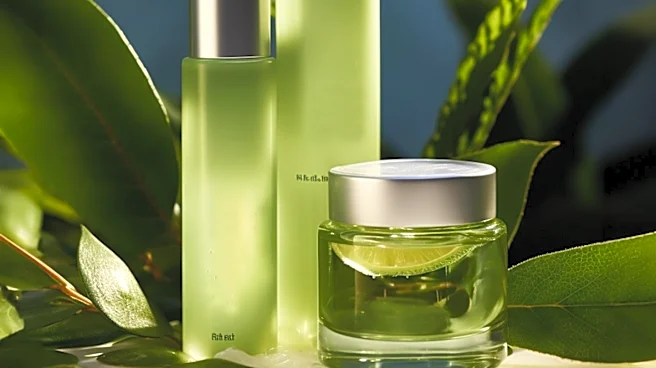
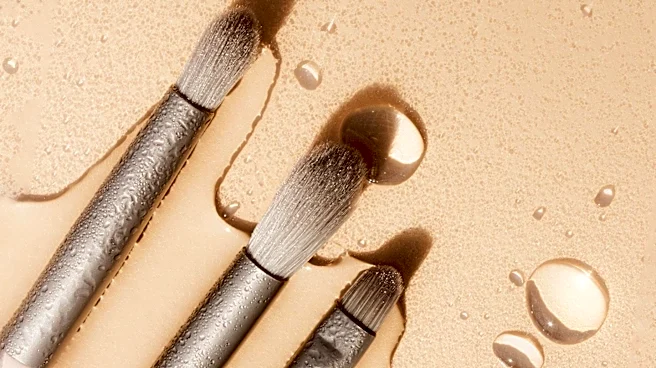
but also prioritize skin health. Water-based makeup, characterized by water as its primary ingredient, offers a light, refreshing feel and quick absorption, making it barely noticeable on the skin. These new hybrid products often incorporate active skincare ingredients like niacinamide, ceramides, antioxidants, and hyaluronic acid directly into the pigment. Board-certified dermatologist Dr. Shereene Idriss notes that water-based makeup is a therapeutic choice, allowing pores to 'breathe' and preventing the exacerbation of skin conditions often associated with heavy, occlusive formulas. The trend aims to achieve a 'Cloud Skin' look—soft, natural, and radiant—rather than the 'glam' or 'glass skin' looks that dominated the previous decade. Sir John, Beyoncé’s makeup artist, highlights that water-based formulas behave like skincare, allowing the skin to 'drink' moisture while pigment remains smooth and natural.
Why It's Important?
This shift in the beauty industry reflects a broader consumer trend towards health-conscious and minimalist lifestyles, impacting product development, marketing strategies, and retail offerings in the U.S. The emphasis on skin health and natural enhancement over concealment means beauty brands must innovate to meet these evolving demands. Companies that successfully integrate skincare benefits into their makeup lines, or develop effective water-based formulations, stand to gain significant market share. Conversely, brands heavily invested in traditional, full-coverage, and silicone-based products may face declining relevance if they do not adapt. This trend also influences ingredient sourcing and formulation science, pushing for more 'clean' and beneficial components. For consumers, it means a wider array of products that are potentially better for their skin, reducing issues like clogged pores and breakouts. The demand for transparency in ingredients and product efficacy will likely increase, compelling brands to clearly communicate the benefits and composition of their offerings.
What's Next?
The beauty industry is expected to continue its trajectory towards more innovative water-based and hybrid makeup-skincare products. Brands will likely invest further in research and development to overcome current drawbacks of water-based formulas, such as limited coverage and rapid drying times. New application techniques and complementary water-based skincare products will also emerge to ensure seamless integration and optimal results. Consumers can anticipate a continued expansion of product categories, including ultra-light skin tints, moisturizing concealers, liquid highlighters, and lip and cheek tints, all formulated with a water base. Retailers will likely adjust their merchandising to highlight these 'skin-first' makeup options. Furthermore, the focus on sustainability and 'clean beauty' will likely intertwine with this trend, as consumers increasingly seek products that are both effective and environmentally conscious. The industry will also need to educate consumers on proper application techniques for these fast-drying formulas to ensure a flawless finish.
Beyond the Headlines
The move towards water-based and minimalist makeup signifies a deeper cultural shift in beauty standards, moving away from heavily altered appearances towards celebrating natural skin and subtle enhancement. This trend challenges the long-standing paradigm of makeup as a tool for masking imperfections, repositioning it as an extension of skincare and self-care. Ethically, it promotes a more realistic and healthier perception of beauty, potentially reducing pressure on individuals to conform to unattainable ideals. Legally, increased scrutiny on ingredient lists and product claims may lead to stricter regulations regarding 'clean' or 'natural' labeling. Culturally, the embrace of 'Cloud Skin' and similar aesthetics reflects a desire for authenticity and comfort, aligning with broader societal movements towards wellness and mindfulness. This evolution could also impact the professional makeup artist community, requiring new skills and approaches to achieve desired looks with these innovative formulations.