





What's Happening?
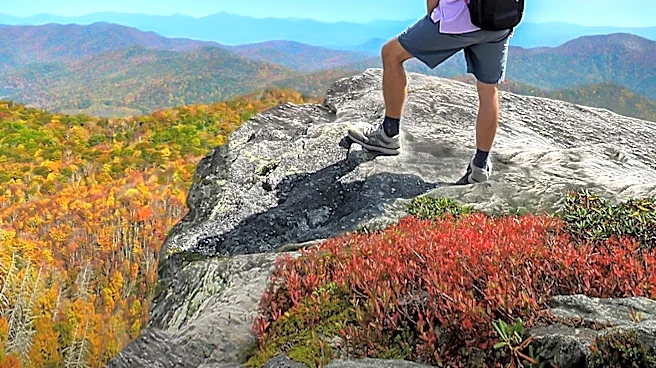
Curacao is actively promoting itself as a leading rock climbing destination in the Caribbean, offering a variety of experiences including via ferrata, abseiling, and climbing routes suitable for all skill levels. Rock Climbing Curacao, a local outfitter,
provides guided tours with experienced and safety-conscious guides. The island boasts high-quality limestone rock formations, with many walls facing north to provide shade throughout the day, allowing for year-round climbing. The initiative aims to leverage Curacao's existing tourism infrastructure, daily flights from the USA, Europe, and Latin America, and readily available accommodation facilities to attract adventure seekers. Guides ensure all necessary climbing gear, such as harnesses and climbing shoes, are provided and offer basic explanations for first-time climbers before moving to designated climbing zones. There are four different climbing locations available, catering to both advanced climbers and beginners.
Why It's Important?
This development is important for the U.S. tourism industry and American adventure travelers. By establishing Curacao as a premier rock climbing destination, it offers a new and accessible option for Americans seeking outdoor adventure sports in the Caribbean. The availability of daily flights from the USA makes it a convenient travel choice, potentially diverting some adventure tourism from other regions. For U.S. tour operators and travel agencies, this presents an opportunity to expand their offerings and cater to a niche market of climbers and outdoor enthusiasts. The focus on safety and experienced guides could also build confidence among potential American visitors, encouraging more travel to the region. Economically, increased tourism from the U.S. would benefit Curacao's local economy, including hospitality, transportation, and other related services, while providing U.S. travelers with diverse recreational choices.
What's Next?
Curacao is expected to continue its efforts to market its rock climbing opportunities to international audiences, including the U.S. This may involve collaborations with U.S.-based adventure travel companies, participation in international tourism fairs, and digital marketing campaigns targeting climbing communities. The local outfitter, Rock Climbing Curacao, will likely continue to refine its offerings, potentially introducing new routes or specialized climbing packages to attract a broader range of climbers. As the destination gains recognition, there could be an increase in demand for climbing-related services and infrastructure on the island. Furthermore, the success of this initiative could inspire other Caribbean nations to develop and promote their own unique adventure tourism offerings, potentially leading to increased competition and diversification within the regional tourism sector.
Beyond the Headlines
Beyond the immediate economic and tourism benefits, Curacao's focus on rock climbing highlights a broader trend in the travel industry towards experiential and adventure tourism. This shift reflects a growing desire among travelers, including those from the U.S., for authentic and active experiences that connect them with natural environments. The emphasis on sustainable tourism practices, such as preserving natural rock formations and ensuring visitor safety, could set a precedent for other developing adventure destinations. Moreover, the promotion of such activities can contribute to a more diverse and resilient tourism economy, reducing reliance on traditional beach-centric tourism. This move also underscores the potential for smaller nations to carve out unique niches in the global tourism market by leveraging their natural assets and providing specialized, high-quality experiences.