




What's Happening?
The comics industry saw substantial growth in 2025, with sales of comics and graphic novels reaching approximately $2.2 billion, an increase from $1.9 billion in 2024 and surpassing the previous high of $2 billion in 2022. This growth has continued into
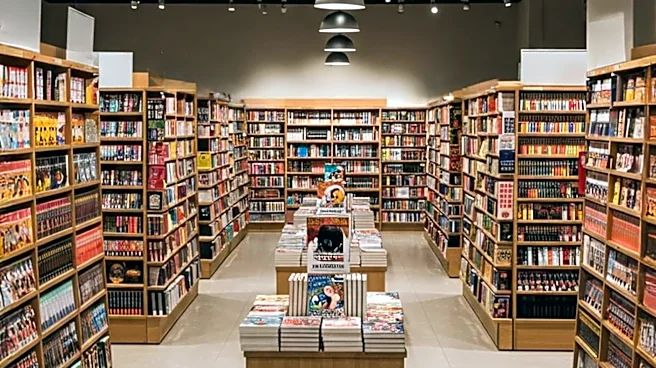
the first half of 2026. A notable trend is the resurgence of specialized comic stores, which have narrowed the sales gap with bookstores after a 15-year period of bookstores leading in growth. ICv2 president Milton Griepp presented this analysis, based on data from ComicHub, Circana BookScan, and estimates from other sales channels. The success of specialized comic stores is attributed to a post-COVID trend of people seeking physical community and the faster growth of 'floppies' (individual comic issues) compared to graphic novels. Additionally, the explosive growth in trading card games (TCGs), often sold in comic shops, contributed to their record years.
Why It's Important?
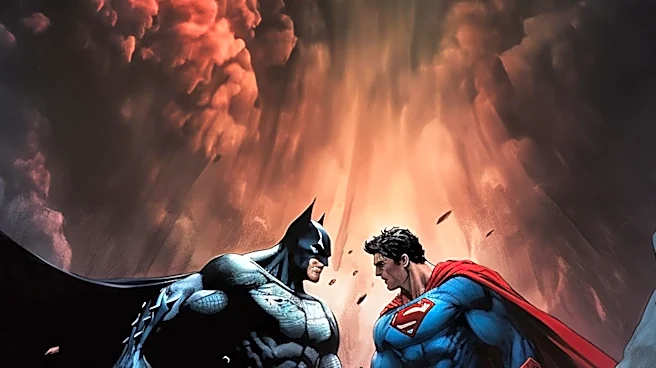
This significant growth in the comics industry, particularly the resurgence of specialized comic stores, indicates a robust and evolving market. The shift in growth from bookstores back to comic shops suggests a renewed appreciation for the unique retail experience and community aspect that these stores offer. This trend is crucial for the ecosystem of comic creators, publishers, and retailers, providing a more stable and expanding platform for their products. The success of DC Comics' Absolute line, dominating bestseller charts, highlights the impact of strong intellectual property and high-quality publishing on market performance. The overall expansion of the industry, nearly doubling pre-pandemic numbers, demonstrates its resilience and ability to attract new audiences, including young people seeking community in these specialized spaces. This positive trajectory could lead to increased investment in new titles, talent, and innovative publishing formats.
What's Next?
The continued growth observed in the first half of 2026, led by DC Comics' Absolute line, suggests that the industry's positive momentum is likely to persist. The dominance of Absolute titles on bestseller charts for both individual comics and graphic novels indicates a strong market for premium, collector-focused editions. This success could encourage other publishers to invest in similar high-end formats. The narrowing gap between specialized comic stores and bookstores raises the possibility that comic shops could eventually reclaim their position as the primary sales channel for comics and graphic novels. This trend will likely lead to further innovation in retail strategies, community engagement, and product offerings within specialized stores. The industry's ability to thrive despite the bankruptcy of Diamond Comics Distributors also points to a more diversified and resilient distribution network.
Beyond the Headlines
The resurgence of specialized comic stores reflects a broader societal trend of seeking physical community and niche experiences in an increasingly digital world. Beyond just sales figures, these stores often serve as cultural hubs, fostering a sense of belonging for fans and providing a space for shared interests. The success of trading card games alongside comics further illustrates the appeal of interactive and collectible hobbies. The 'longest period of DC dominance in memory' challenges the traditional market dynamics, where Marvel often held a leading position, indicating a potential shift in brand loyalty and creative direction within the industry. This competitive landscape can drive innovation and quality across all publishers, ultimately benefiting consumers. The industry's ability to adapt and thrive post-pandemic, despite initial uncertainties, underscores its enduring cultural significance and its capacity to evolve with changing consumer behaviors.