





What's Happening?
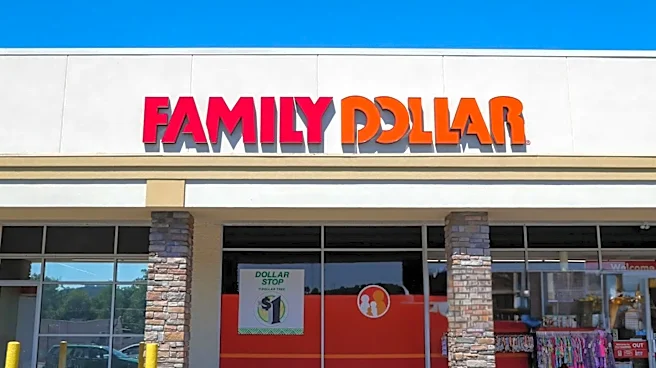
Family Dollar has proposed a $63 million settlement to resolve allegations that it routinely charged customers more at the register than the prices displayed on shelves, tags, circulars, its website, and app. The proposed settlement, filed in federal
court in Virginia, includes three main components: a $40 million Consumer Redress Fund for eligible shoppers, a $20 million in-store discount program, and approximately $3 million to be paid to 17 states. Family Dollar, through its chief legal officer Keith Zanni, has signed the order but neither admits nor denies the allegations. The settlement will take effect only upon federal court approval. The Consumer Redress Fund will distribute money to eligible customers who made purchases from January 1, 2023, through October 1, 2026, regardless of their state of residence. The $20 million discount program will offer a 15% discount on current retail prices for two consecutive days, excluding alcohol, tobacco, and gift cards, and requires FTC approval before launch.
Why It's Important?
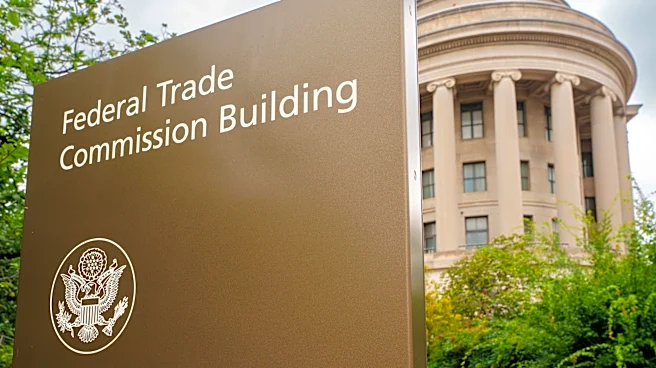
This proposed settlement is significant for consumer protection, addressing a widespread issue of price accuracy in retail. The establishment of a $40 million Consumer Redress Fund directly benefits shoppers who may have been overcharged, providing a mechanism for restitution. The inclusion of a $20 million discount program also offers immediate financial relief to current customers, although its reach is limited to those who shop during the two designated days. For Family Dollar, this settlement aims to resolve legal challenges and potentially restore consumer trust, which could have been eroded by the alleged pricing discrepancies. The involvement of the Federal Trade Commission (FTC) and 17 states underscores the regulatory scrutiny on retail pricing practices and signals a commitment to ensuring transparency and fairness for consumers across the U.S. This action could also serve as a deterrent for other retailers to maintain accurate pricing.
What's Next?
The proposed settlement now awaits approval from a federal court. Once approved, an independent administrator will manage the claims process for the $40 million Consumer Redress Fund, allowing eligible customers to seek compensation. Details regarding how consumers can file claims will likely be announced following court approval. The $20 million discount program will also need FTC approval before it can be implemented, after which Family Dollar will announce the specific dates for the 15% discount offer. While Rhode Island is not among the 17 states receiving direct payments, shoppers in Rhode Island, including those in Warwick where Family Dollar has three locations, are still eligible for the consumer redress fund if they meet the purchase date criteria. The outcome of the court's decision and the subsequent implementation of these programs will be closely watched by consumer advocacy groups and the retail industry.
Beyond the Headlines
This settlement highlights broader issues within the discount retail sector regarding operational integrity and consumer trust. The allegations of consistent overcharging at the register point to potential systemic issues in price management, inventory systems, or employee training within Family Dollar. Beyond the financial penalties, the reputational damage from such allegations can be substantial, potentially impacting customer loyalty and market share in the long term. This case also underscores the ongoing role of regulatory bodies like the FTC in monitoring business practices to protect consumers from deceptive pricing. The settlement could prompt other discount retailers to review and enhance their pricing accuracy protocols to avoid similar legal challenges and maintain consumer confidence, potentially leading to industry-wide improvements in pricing transparency and compliance.