





What's Happening?
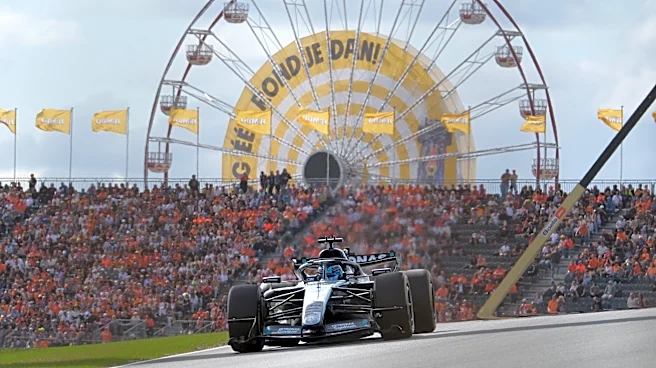
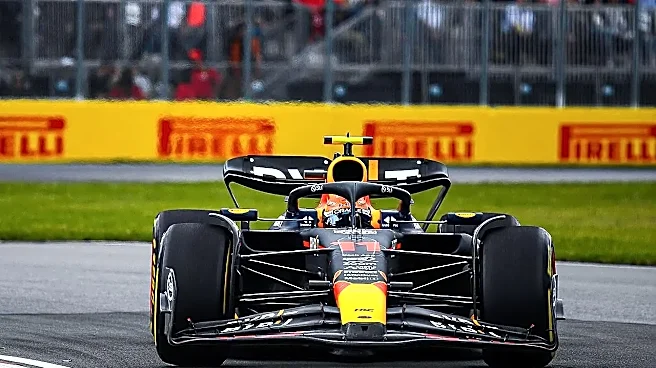
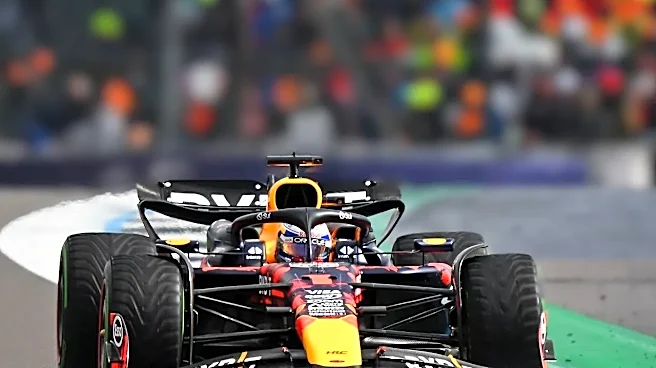
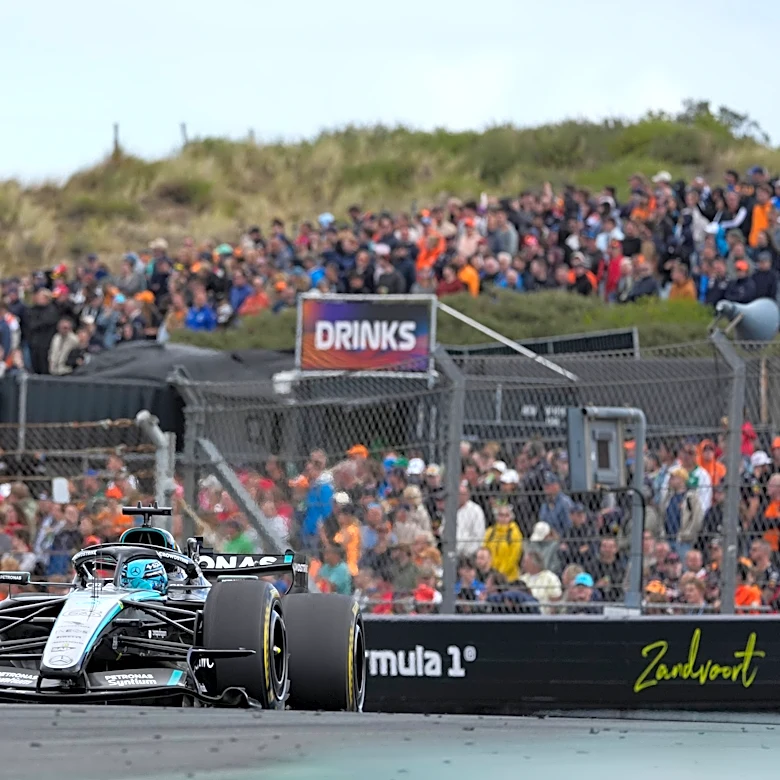
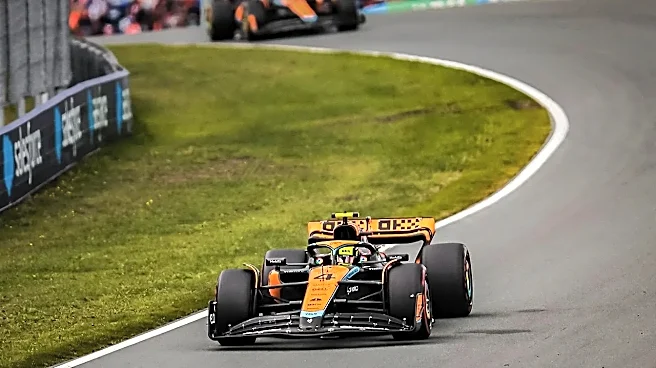
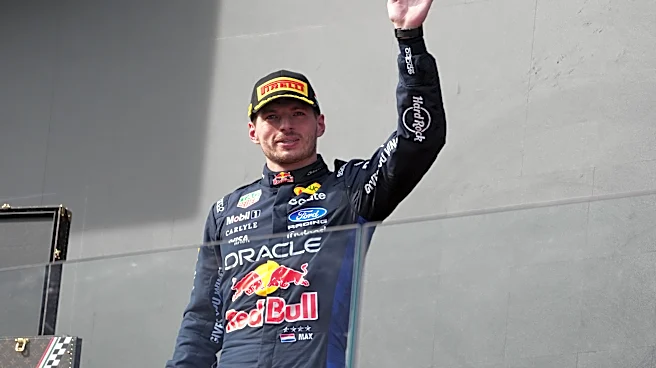
Lewis Hamilton and Max Verstappen, along with Valtteri Bottas, Lance Stroll, and Yuki Tsunoda, were investigated by Formula 1 stewards at the Dutch Grand Prix Sprint. The investigation stemmed from their failure to comply with item 24 of the race director's
event notes, which specifies that cars must reach the grid under their own power, defined as the section of track from the front of grid box #1 to Safety Car Line 1. The drivers were found to have stopped their cars before reaching Safety Car Line 1. However, after reviewing in-car video evidence, the stewards determined that due to the 'extremely crowded' nature of the grid, the drivers 'acted appropriately' by stopping in a safe spot as close as possible to the grid. Consequently, no penalties were applied to any of the involved drivers.
Why It's Important?
This decision is significant as it demonstrates the stewards' willingness to consider contextual factors when enforcing regulations in Formula 1. While a technical breach of the rules occurred, the acknowledgment of the 'extremely crowded' grid as a mitigating circumstance prevented penalties for prominent drivers like Hamilton and Verstappen. This approach helps maintain the integrity of the competition by not penalizing drivers for actions taken out of necessity or for safety in a dynamic race environment. It also provides clarity for teams and drivers regarding the interpretation of rules in situations where strict adherence might be impractical or unsafe, potentially influencing future race procedures and driver conduct during grid formation.
What's Next?
With the stewards having delivered their verdicts, the matter of these specific infringements is closed. The outcome may prompt a review of the race director's event notes, particularly item 24, to provide more explicit guidance for drivers in crowded grid scenarios. It is possible that future race weekends could see adjustments to grid procedures or clearer communication regarding how drivers should navigate congested areas before a race. This incident could also lead to broader discussions within the FIA and F1 teams about the balance between strict rule enforcement and practical considerations, potentially influencing how similar situations are managed in upcoming races and seasons.
Beyond the Headlines
The decision to clear the drivers despite a technical rule breach highlights a pragmatic approach to sports governance, where the spirit of the rule and the safety of participants can outweigh a literal interpretation. This reflects a mature understanding that real-world racing conditions are complex and sometimes necessitate deviations from strict protocols. It also reinforces the role of stewards as not just enforcers, but also interpreters of rules, capable of exercising discretion based on the specific circumstances. This could foster greater trust between drivers, teams, and officials, knowing that decisions are made with a comprehensive understanding of the challenges faced on the track, rather than solely on black-and-white rulebooks.