






What's Happening?
The U.S. is experiencing a significant expansion in battery storage capacity, driven by increased demand for renewable energy and advancements in technology. In the first quarter of 2026, the country installed 9.7 gigawatt-hours of battery energy storage,
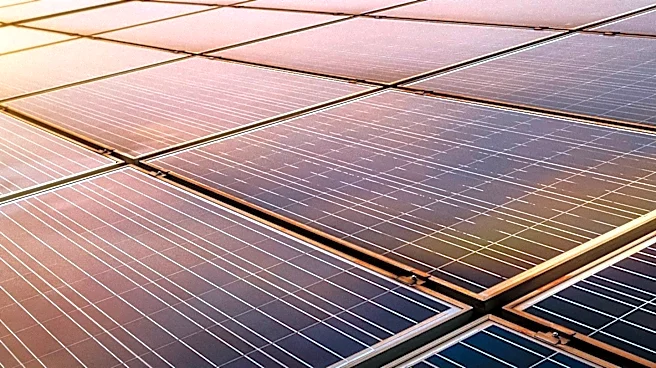
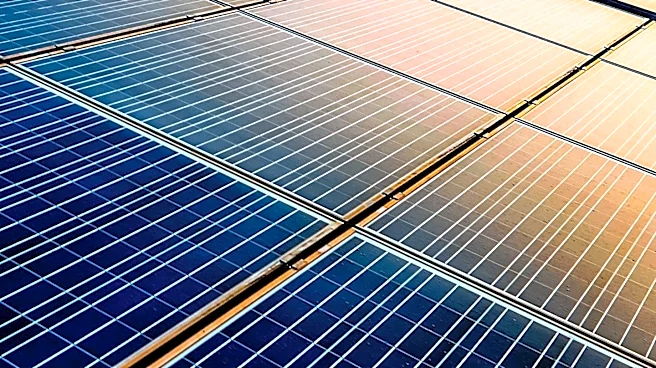
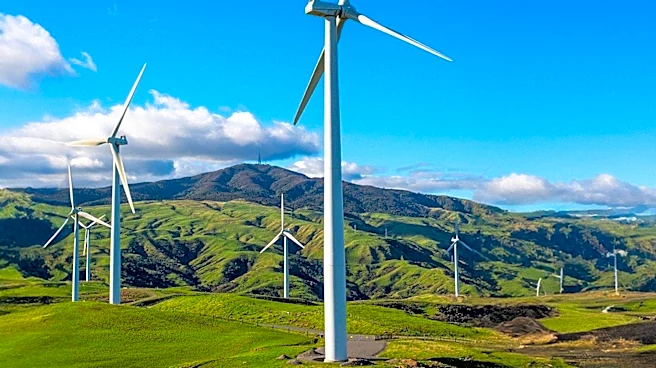
marking a 32% increase from the previous year. This growth is supported by federal policies and incentives, as well as a historic drop in manufacturing costs. The expansion of battery storage is crucial for integrating renewable energy sources like solar and wind into the grid, helping to prevent transmission blackouts and meet rising energy demands.
Why It's Important?
The rapid growth of battery storage is pivotal for the U.S. energy sector as it transitions towards more sustainable energy sources. By enabling the storage and dispatch of renewable energy, battery systems help stabilize the grid and reduce reliance on fossil fuels. This shift not only supports environmental goals but also enhances energy security and independence. The expansion of battery storage also presents economic opportunities, driving investment in infrastructure and creating jobs in the renewable energy sector.
What's Next?
As battery storage technology continues to advance, further growth is expected, with an additional 24.3 gigawatts of storage capacity projected to come online by the end of the year. This expansion will likely lead to increased collaboration between utilities, government agencies, and private sector stakeholders to optimize grid integration and maximize the benefits of renewable energy. Ongoing policy support and investment in research and development will be crucial to sustaining this momentum and addressing challenges such as grid interconnection delays and equipment shortages.