


What's Happening?
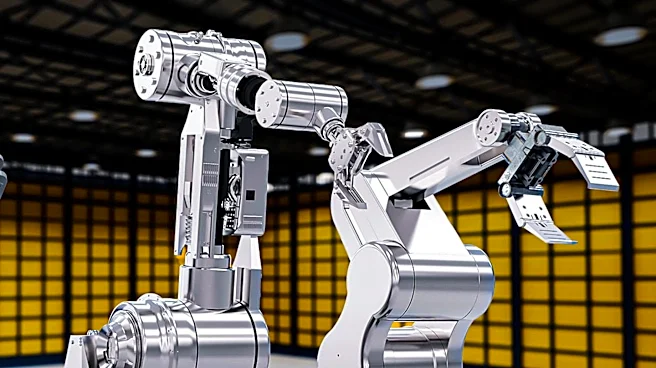
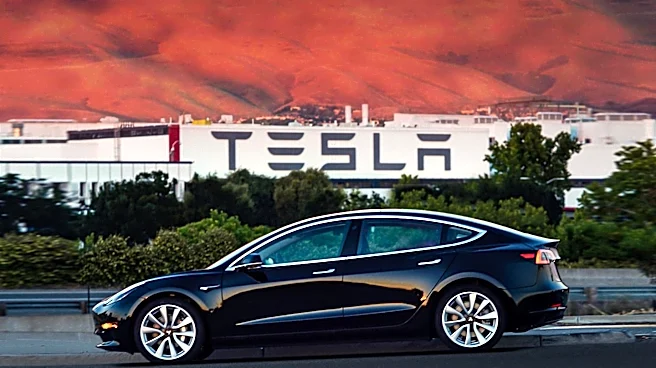
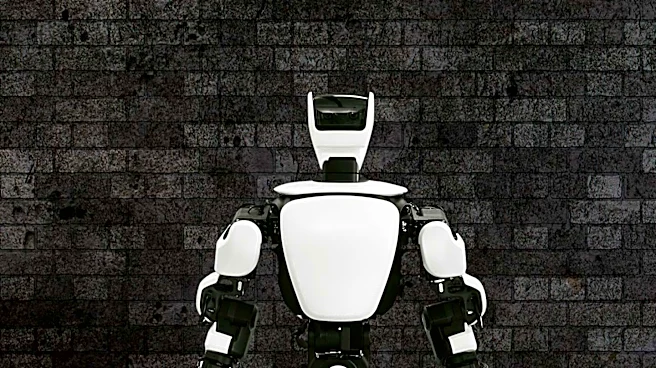
Tesla has announced updates to its Optimus humanoid robot project, marking a significant step in integrating AI with robotics in manufacturing. The updates aim to enhance automation in industrial processes, promising increased efficiency and cost reductions.
However, the broader implications for labor markets and economic equality require careful consideration. While Tesla's ambition to incorporate advanced robots into production lines is commendable, the immediate impact may be limited by technical and societal challenges.
Why It's Important?
Tesla's advancements in robotics highlight the potential for AI to transform manufacturing, offering benefits such as cost savings and increased flexibility. However, the integration of humanoid robots poses challenges, including potential job displacement in manufacturing sectors, particularly in developing countries. Policymakers and labor organizations must address these socio-economic shifts to ensure equitable outcomes. The success of Tesla's Optimus project will depend on its ability to differentiate itself in a competitive field and overcome technical barriers.
What's Next?
In the coming months, Tesla is expected to showcase incremental progress with Optimus through high-profile demonstrations. However, large-scale deployment in manufacturing facilities may remain limited to pilot projects. The technology may excel in simple, repetitive tasks but face challenges in more complex operations. Competitors will continue refining their robotic solutions, potentially pressuring Tesla to accelerate development and maintain its competitive edge.