





What's Happening?
Sodium-ion batteries are increasingly being adopted across various U.S. industries, moving beyond traditional energy storage applications. This expansion is driven by concerns over the cost and supply chain stability of lithium-ion batteries, as well
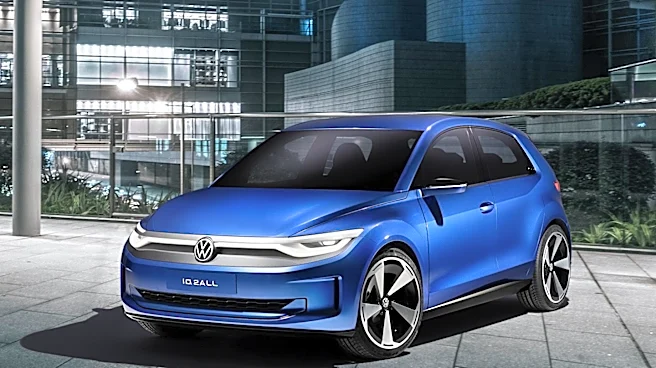
as sodium's abundance. While not a direct replacement for lithium-ion in all scenarios, sodium-ion technology offers advantages in applications where cost, safety, and supply stability are prioritized over maximum energy density. Key areas of growth include grid-scale energy storage systems (BESS), urban electric vehicles, industrial backup power, telecom base stations, data centers, agricultural and off-grid equipment, residential energy storage, and emerging smart equipment. The technology's suitability for these markets is bolstered by its lower material costs, better thermal stability, reduced dependence on lithium resources, and strong performance in low temperatures.
Why It's Important?
The growing adoption of sodium-ion batteries holds significant implications for U.S. industries and energy independence. By diversifying battery technology, the U.S. can reduce its reliance on critical minerals like lithium, which are often subject to volatile global supply chains and geopolitical pressures. This shift can lead to more stable and potentially lower energy costs for consumers and businesses, particularly in sectors requiring large-scale, stationary energy storage or urban mobility solutions. Industries such as renewable energy, telecommunications, and manufacturing stand to benefit from the enhanced safety, longer cycle life, and improved supply security offered by sodium-ion batteries. Furthermore, the technology's better cold-climate performance makes it particularly attractive for northern regions and outdoor infrastructure, expanding the operational viability of battery-powered systems across diverse U.S. climates. This diversification also fosters innovation and competition within the battery manufacturing sector, potentially leading to new job creation and economic growth.
What's Next?
The continued expansion of sodium-ion battery applications is expected to accelerate as manufacturing processes improve and costs decline. Industry analysts anticipate grid storage to be a primary commercial driver for sodium-ion batteries in the coming decade, with increasing deployments in solar farms, wind farms, and hybrid microgrids. Further research and development will likely focus on enhancing energy density and cycle life to broaden their applicability. Manufacturers will continue to seek reliable partners for OEM and ODM support, stable mass production capabilities, and robust quality management systems to meet the growing demand. The U.S. market will likely see more companies investing in sodium-ion battery production and integration, driven by the need for supply chain diversification and cost-effective energy solutions. This trend could also influence policy decisions related to energy storage and critical mineral sourcing, potentially leading to incentives for domestic sodium-ion battery production and deployment.
Beyond the Headlines
The rise of sodium-ion batteries represents a broader strategic shift in the global energy landscape, moving towards more sustainable and resilient energy storage solutions. Beyond the immediate economic benefits, this technology addresses critical environmental and ethical concerns associated with lithium mining, such as habitat destruction and water usage. The abundance of sodium, a readily available resource, offers a more equitable and less resource-intensive path to electrification. This development could also democratize access to advanced energy storage, making it more affordable and accessible for developing regions and off-grid communities. The long-term implications include a potential rebalancing of global power dynamics in the battery supply chain, reducing the leverage of countries with significant lithium reserves. Furthermore, the enhanced safety profile of sodium-ion batteries, particularly their reduced risk of thermal runaway, could lead to more widespread adoption in sensitive applications like residential energy storage and data centers, improving public safety and infrastructure resilience.