






What's Happening?
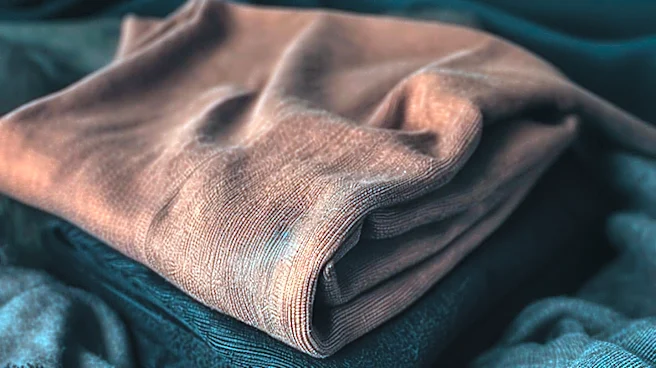
The Fridja blog has published a guide on maintaining a capsule wardrobe throughout a working week, emphasizing that proper care is crucial for preserving the fit, color, and finish of garments. The article highlights that capsule wardrobes, built around
repeatable outfits, experience more frequent wear, making them susceptible to creasing, body oils, and stains. It advises against overwashing, which can damage fabrics, and instead promotes a routine of refreshing, inspecting, and purposeful cleaning. The guide provides a weekly care example for a compact wardrobe, suggesting actions like airing clothes after wear, spot-treating stains promptly, steaming creases, and folding knitwear. It also stresses the importance of understanding care labels and using appropriate tools like handheld steamers and fabric shavers to extend garment life.
Why It's Important?
This guide is important for U.S. consumers and the apparel industry as it promotes sustainable fashion practices and helps consumers maximize the longevity of their clothing investments. In an era of increasing awareness about environmental impact, encouraging proper garment care reduces textile waste and the need for frequent replacements. For consumers, adopting these practices can lead to significant cost savings over time and a more organized, functional wardrobe. For the apparel industry, promoting garment care can enhance brand reputation by demonstrating a commitment to product quality and sustainability. It also encourages the sale of care products and tools, creating a new market segment. This shift towards mindful consumption and care can influence design and manufacturing processes, pushing for more durable and easy-to-maintain clothing.
What's Next?
Consumers are likely to increasingly adopt these garment care routines, leading to a greater demand for effective and convenient clothing care products, such as handheld steamers, fabric shavers, and specialized detergents. Apparel brands may start incorporating more explicit care instructions and tips into their product packaging and marketing to support consumers in maintaining their capsule wardrobes. The emphasis on sustainability through longevity could also influence fashion education and consumer advocacy groups to promote similar practices. Fridja and similar brands might expand their range of care tools and resources, further solidifying the importance of garment maintenance in the broader lifestyle and fashion discourse.
Beyond the Headlines
The focus on capsule wardrobe care extends beyond practical tips to touch upon deeper societal values related to consumption and sustainability. It challenges the prevailing culture of disposability in fashion, encouraging a more respectful and long-term relationship with clothing. Ethically, promoting garment longevity reduces the environmental footprint associated with textile production and waste, aligning with global efforts to combat climate change. Culturally, it fosters a sense of appreciation for craftsmanship and quality, moving away from the transient nature of fast fashion. This approach can empower consumers to make more conscious choices, transforming their wardrobes into curated collections that reflect personal values and a commitment to a more sustainable lifestyle. It also highlights the economic benefit of investing in quality and care, demonstrating that sustainability can be both environmentally responsible and financially prudent.