


What's Happening?
Patagonia has integrated its Worn Wear program, which includes used-product retail, trade-in, care, and repair services, directly into its main e-commerce platform. As of October 2026, customers can now purchase both new and Worn Wear products through
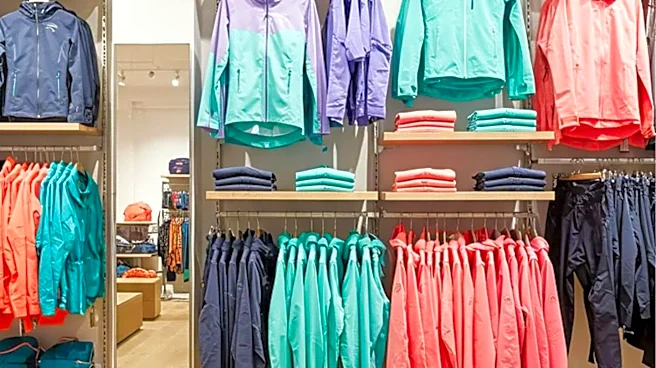
a single online cart on patagonia.com. This move marks the final step in bringing the Worn Wear operations in-house, following previous transitions of warehousing, shipping, and customer service from external providers. The integration aims to simplify the shopping experience, allowing customers to consider both new and used gear options in one visit. While the checkout process is unified, the inventories remain distinct: new stock typically has multiple units of the same style and size, whereas used stock is limited by what is returned and passes quality checks. The Worn Wear program emphasizes extending the life of garments through professional laundering, inspection, authentication, condition grading, and necessary repairs, with used products backed by Patagonia's Ironclad Guarantee.
Why It's Important?
This strategic integration by Patagonia is significant for several reasons. It enhances customer convenience by streamlining the purchasing process for both new and used items, potentially increasing engagement with the Worn Wear program. By making used gear more accessible, Patagonia reinforces its commitment to sustainability and circular economy principles, which can resonate with environmentally conscious consumers and strengthen brand loyalty. The move also positions Patagonia as a leader in the apparel industry's shift towards more sustainable business models, potentially influencing other brands to adopt similar practices. Economically, a robust resale program can create new revenue streams and reduce waste, offering a competitive advantage. For consumers, it provides more affordable options for high-quality outdoor gear, backed by the brand's guarantee, which builds trust in pre-owned products.
What's Next?
Following this integration, Patagonia will likely monitor customer adoption rates and sales performance of the unified platform. The company may further refine its Worn Wear processes, including trade-in eligibility, repair services, and condition grading, based on customer feedback and operational efficiency. Other apparel brands will likely observe Patagonia's success with this model, potentially leading to increased adoption of similar in-house resale and repair programs across the industry. Patagonia may also expand its educational efforts to inform consumers about the benefits of extending product lifecycles and how to properly care for and repair their gear. The long-term success of this integration could set a new standard for how retail brands approach sustainability and customer engagement in the circular economy.
Beyond the Headlines
The integration of Patagonia's Worn Wear program goes beyond a simple e-commerce update; it represents a deeper philosophical commitment to product longevity and responsible consumption. This move challenges the traditional linear model of production and consumption by actively promoting reuse and repair, thereby reducing the environmental impact associated with new manufacturing. Ethically, it reinforces Patagonia's brand identity as a company that prioritizes environmental stewardship over pure profit maximization, fostering a stronger connection with its customer base. Legally, as consumer demand for sustainable practices grows, such initiatives could influence future regulations regarding product lifecycles and waste reduction in the apparel industry. Culturally, it contributes to a broader shift in consumer mindset, encouraging a more mindful approach to purchasing and owning goods, where durability and repairability are valued as much as, if not more than, novelty.