



What's Happening?
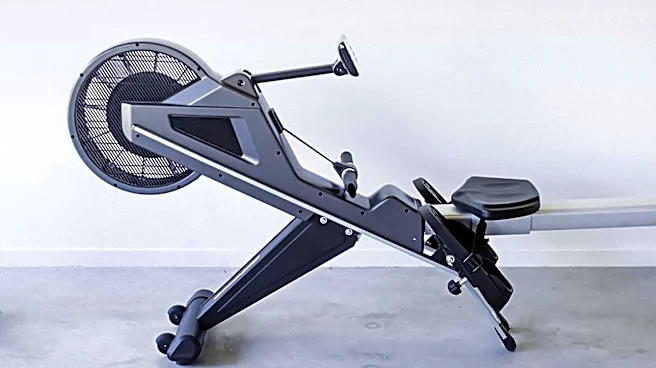
WalkingPad, a home fitness equipment provider, has released a guide detailing various home rowing machines, focusing on different resistance types—air, water, and magnetic—and their suitability for home use. The guide, authored by home fitness expert
Ty Taylor, emphasizes that the best home rower depends on available space, preferred stroke feel, and desired feedback. It explains that air resistance uses a flywheel, water resistance involves paddles in a tank, and magnetic systems use magnets to create drag. The company also highlights its own foldable rowing machines, such as the WR20, WM10, and WR3L, which are designed for smaller living spaces. The WR20 is a tri-fold water rower, the WM10 combines water and magnetic resistance, and the WR3L is a lower-priced tri-fold water rower. The guide stresses that resistance type alone does not determine a machine's fit for a room, training plan, or budget, and advises consumers to consider factors like folded size, resistance controls, and storage. It also references published research comparing air and water rowers, noting that while force profiles can be similar, movement patterns may differ.
Why It's Important?
This detailed guide is important for U.S. consumers looking to invest in home fitness equipment, particularly rowing machines, as it demystifies the technical aspects of different resistance systems. By explaining the nuances of air, water, and magnetic resistance, WalkingPad helps consumers make informed decisions tailored to their specific needs and living situations. The emphasis on space-saving designs addresses a significant concern for many urban dwellers and those with limited home space, making fitness more accessible. The inclusion of specific product recommendations from WalkingPad's lineup, alongside general advice, provides practical options for consumers. This information can influence purchasing trends in the home fitness market, potentially increasing demand for compact and versatile equipment. For the industry, it highlights the ongoing innovation in home fitness solutions aimed at convenience and efficiency, catering to a growing demographic that prioritizes at-home workouts.
What's Next?
As consumers become more educated about home fitness equipment options, there may be an increased demand for rowing machines that offer specific resistance types or compact designs. Manufacturers like WalkingPad are likely to continue innovating in these areas, potentially introducing new models with advanced features or hybrid resistance systems. The market could see a trend towards more personalized fitness solutions, where equipment is tailored to individual preferences for stroke feel, noise levels, and storage capabilities. Retailers may also adjust their inventory to stock a wider variety of rowing machines, catering to diverse consumer needs. Furthermore, as research on exercise physiology and equipment effectiveness evolves, future guides and product developments may incorporate new scientific findings to further optimize home workout experiences. The focus on usability and long-term consistency suggests a continued shift towards sustainable home fitness habits.
Beyond the Headlines
The detailed breakdown of rowing machine resistance types and the emphasis on space-saving designs reflect broader societal trends in the U.S. towards optimizing living spaces and integrating wellness into daily life. As remote work becomes more prevalent and urban living spaces remain compact, the demand for efficient, multi-functional home fitness equipment is likely to grow. This shift also highlights a consumer desire for informed purchasing decisions, moving beyond basic product descriptions to understand the underlying mechanics and benefits of their investments. The guide's reliance on published research, even if limited, signals a growing trend towards evidence-based consumer information in the fitness industry, encouraging transparency and helping consumers evaluate product claims more critically. This approach could foster greater trust between brands and consumers, promoting a more discerning market for home fitness solutions.