
What's Happening?
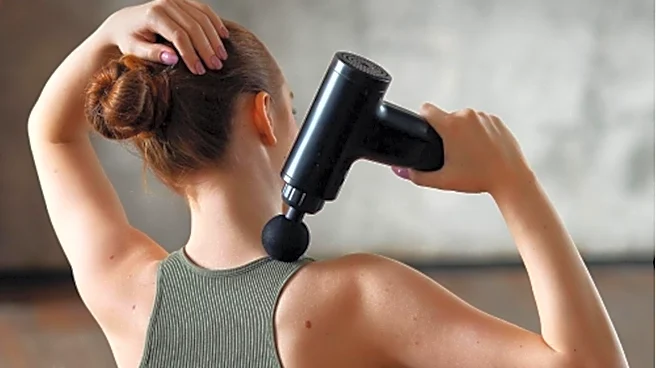
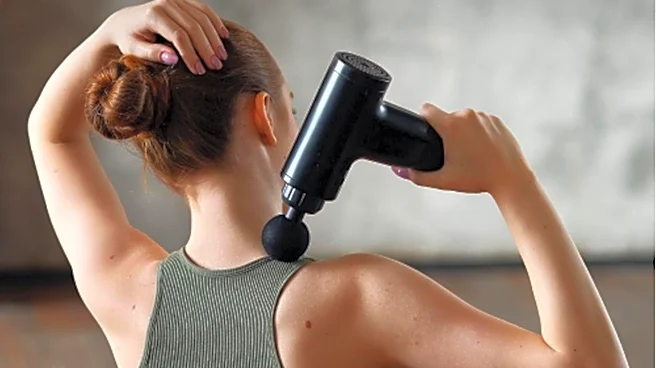
Recent research, including a 2026 meta-analysis of 12 trials, indicates that massage guns can increase range of motion for a short duration without compromising strength. They may also aid in the recovery
of explosive performance after intense training. However, the pooled evidence does not clearly demonstrate that massage guns significantly reduce muscle soreness. A 2026 meta-analysis found no clear reduction in delayed onset muscle soreness (DOMS), with very low certainty of evidence. Similarly, it did not clearly help maximal strength recovery. Studies show that five minutes of percussive massage on calves can increase ankle dorsiflexion by approximately 18% without strength loss. The meta-analysis also noted that percussive therapy improved recovery of countermovement jump height, though with low certainty of evidence. Safety guidelines advise against using massage guns on the front and sides of the neck, bones, joints, or any injured areas, citing a 2025 case report of a vertebral artery tear and stroke from improper neck use.
Why It's Important?
This research provides crucial clarity for U.S. consumers, athletes, and fitness professionals regarding the actual benefits and limitations of massage guns. Understanding that these devices are more effective for short-term range of motion and explosive performance recovery, rather than direct soreness reduction, can help individuals make informed decisions about their use. This information can guide training protocols, warm-up routines, and post-exercise recovery strategies. For the fitness industry, it emphasizes the importance of evidence-based practices and managing consumer expectations. It also highlights potential safety concerns, particularly regarding improper use on sensitive areas like the neck, which could lead to serious health complications. This underscores the need for manufacturers to provide clear usage instructions and for users to exercise caution.
What's Next?
Future research will likely focus on refining the understanding of optimal massage gun dosages, specific application techniques for different muscle groups, and long-term effects on muscle health and recovery. There may be a push for more independent studies, as some existing research has been industry-funded. Manufacturers might adapt their marketing strategies to align with scientific findings, emphasizing benefits like improved flexibility and performance recovery rather than solely focusing on soreness relief. Educational campaigns for consumers and fitness professionals could become more prevalent, promoting safe and effective use of these devices. The development of massage guns may also evolve to incorporate features that specifically target range of motion or explosive performance recovery, based on emerging data.
Beyond the Headlines
The findings challenge common perceptions about muscle recovery and highlight the complexity of physiological responses to exercise. While massage guns offer tangible benefits, their limitations underscore that no single tool is a panacea for all post-exercise issues. This encourages a holistic approach to recovery, emphasizing the continued importance of sleep, proper nutrition, and other established recovery methods. The cautionary note regarding neck use also brings to light the broader issue of consumer safety with at-home wellness devices, prompting a discussion about regulatory oversight and product liability. It reinforces the idea that even seemingly innocuous devices can pose risks if used improperly, necessitating a balance between accessibility and safety in the rapidly expanding wellness technology market.