






What's Happening?
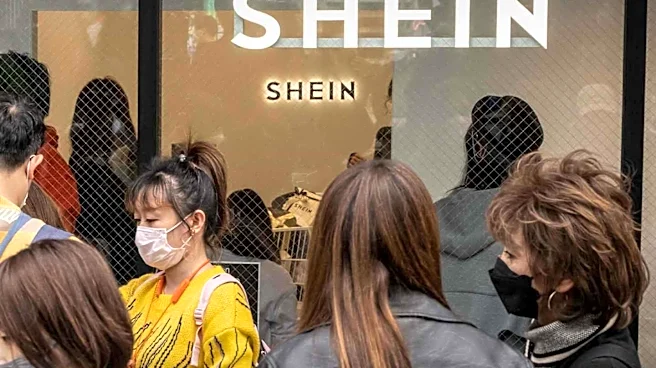
Shein, the global online fashion and lifestyle retailer, is currently embroiled in a legal dispute in France. Beauté Prestige Internationale (BPI), a subsidiary of the Japanese cosmetics company Shiseido, has filed a lawsuit against Shein, seeking €2.6
million in damages. BPI alleges that Shein has been selling its beauty products without authorization, either directly or through third-party partners on its French platform. The Marseille Commercial Court has postponed its decision on the complex legal issues until January 26th. BPI's products are typically distributed through authorized cosmetics retailers who sign contracts to maintain the luxury image associated with the brands. The lawsuit claims that Shein's actions undermine this distribution model and cause both reputational and commercial harm. Shein, founded in 2008, specializes in affordable and fast-fashion items, reporting a net revenue of $20.1 billion through June, with a profit of $228 million between April and June.
Why It's Important?
This lawsuit highlights the growing challenges faced by established luxury and beauty brands in controlling their distribution channels in the age of e-commerce and ultra-fast fashion retailers. For U.S. consumers, while the immediate legal action is in France, it underscores potential vulnerabilities in how products are sourced and sold online globally. If Shein is found liable, it could set a precedent for how other online retailers are held accountable for unauthorized sales of branded goods, potentially impacting the U.S. market. For U.S. businesses, particularly those in the luxury and beauty sectors, this case emphasizes the importance of robust intellectual property protection and distribution agreements to safeguard brand image and revenue. The outcome could influence strategies for brand protection and online marketplace engagement, potentially leading to stricter enforcement against unauthorized sellers on platforms operating within or accessible to the U.S. market.
What's Next?
The Marseille Commercial Court is scheduled to deliver its decision on January 26th, which will determine the immediate legal consequences for Shein in France. Depending on the ruling, Shein may face significant financial penalties and could be compelled to alter its sales practices regarding Shiseido's products. This could lead to a re-evaluation of its vendor relationships and product sourcing strategies, potentially impacting its offerings in other markets, including the U.S. For Shiseido and other luxury brands, a favorable ruling could empower them to pursue similar legal actions against unauthorized distributors on other global platforms. Conversely, a ruling in Shein's favor might encourage more online retailers to engage in similar practices, creating further challenges for brand control and intellectual property enforcement across international borders.
Beyond the Headlines
This case delves into the broader implications of the 'gray market' – the trade of goods through distribution channels that are legal but unauthorized by the original manufacturer. For the U.S. market, this raises questions about consumer trust and product authenticity when purchasing from large online retailers. While Shein's business model emphasizes affordability and speed, the lawsuit brings to light the potential for brand dilution and the erosion of perceived value for luxury goods when sold outside authorized channels. It also highlights the ethical considerations for platforms that host third-party sellers, and their responsibility in vetting the legitimacy of products offered. The outcome could influence regulatory discussions around online marketplace accountability and consumer protection, potentially leading to new guidelines or enforcement actions that could affect how U.S. consumers shop for branded products online.