
What's Happening?
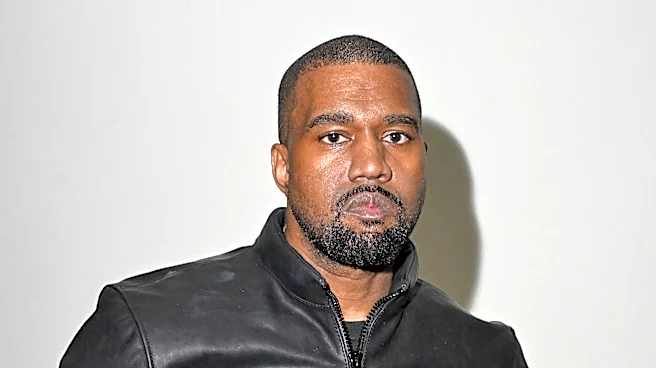
A federal judge has dismissed a copyright infringement lawsuit against Kanye West after he reached a settlement with German singer-songwriter Alice Merton. Merton had accused West of using a sample of her
song 'Blindside' without permission in his track 'Gun to My Head.' Merton, a descendant of Holocaust survivors, stated in her lawsuit that she would never have granted permission due to West's history of antisemitic remarks, citing her personal beliefs. She expressed shock and humiliation when reports suggested she was a willing collaborator. The lawsuit detailed that 'Gun to My Head' sampled a significant portion of 'Blindside's' baseline melody and a vocal recording of its opening lyric. West's clearance company reportedly sought to clear the sample after the song was teased, but Merton denied the request. Although 'Gun to My Head' was not on the official 'Vultures 2' tracklist, it appeared on a digital deluxe version and was played at listening parties, leading to bootlegged versions online. Merton also alleged receiving death threats from West's fans who blamed her for the song's exclusion.
Why It's Important?
This settlement underscores the critical importance of copyright law and intellectual property rights within the music industry, particularly concerning sampling. The case highlights the ethical considerations artists face when their work is used without consent, especially when the alleged infringer's public statements conflict with their personal values. Merton's refusal to clear the sample due to West's antisemitic remarks brings a moral dimension to copyright disputes, demonstrating that artistic collaboration can be influenced by broader societal and ethical concerns. The alleged harassment Merton faced from West's fans also raises questions about artist responsibility for fan behavior and the impact of online communities on individuals involved in legal disputes. This incident could encourage more artists to be vigilant about protecting their intellectual property and to consider the ethical implications of collaborations.
What's Next?
The terms of the settlement were not disclosed, but the dismissal of the lawsuit indicates that both parties have reached an agreement. This resolution prevents a potentially lengthy and public trial, allowing both West and Merton to move forward. The case may serve as a cautionary tale for other artists regarding the necessity of obtaining proper clearances before using copyrighted material. It could also prompt further discussions within the music industry about the ethical responsibilities of artists and their teams, particularly concerning public statements and their potential impact on professional relationships and legal matters. The incident might also lead to increased awareness and measures to protect artists from online harassment during legal disputes.
Beyond the Headlines
This case delves into the complex intersection of artistic freedom, intellectual property, and personal ethics. Merton's stance, rooted in her identity as a descendant of Holocaust survivors, elevates the dispute beyond a simple financial disagreement to a matter of moral principle. It highlights how an artist's public persona and controversial statements can directly impact their ability to collaborate and use other artists' work. The incident also sheds light on the power dynamics within the music industry, where established artists might face less scrutiny for alleged copyright infringement until legal action is taken. Furthermore, the online harassment Merton experienced underscores the darker side of fan culture and the need for platforms and artists to address such behavior. This case could contribute to a broader cultural shift towards greater accountability for public figures and more robust protections for artists' moral rights.