



What's Happening?
Fortescue has successfully integrated a 240-ton autonomous mining truck with a 6-megawatt charging system at Liebherr's proving grounds in Virginia. This development marks a significant step in Fortescue's plan to eliminate diesel from its Pilbara operations
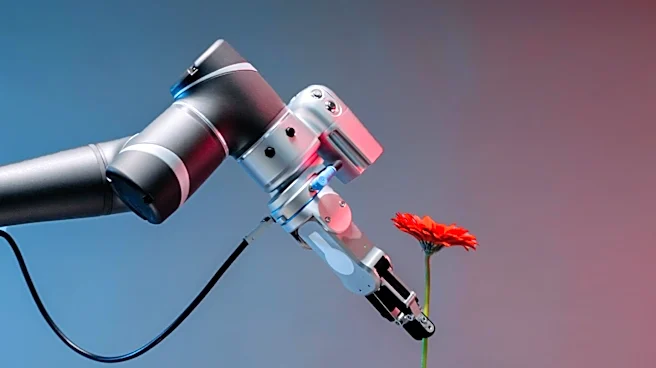
by 2030. The truck, designed to operate without a driver, uses a robotic arm to connect to the charger, showcasing advanced automation in heavy industry. Fortescue aims to convert its fleet of diesel-electric trucks to battery-powered units, with the first expected to be operational by the end of 2026.
Why It's Important?
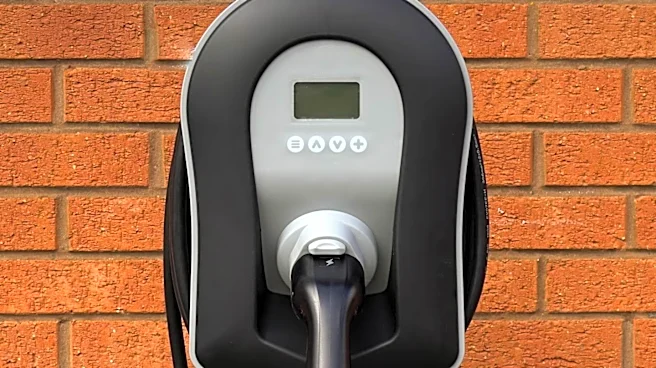
This milestone represents a major advancement in the electrification of heavy industry, particularly in mining. By transitioning to battery-powered trucks, Fortescue is setting a precedent for reducing carbon emissions and operational costs in mining operations. The use of a 6-megawatt charger, significantly more powerful than standard EV chargers, highlights the scale of innovation required for such heavy-duty applications. This shift could influence other industries to adopt similar technologies, promoting sustainability and efficiency in industrial operations.
What's Next?
Fortescue plans to continue its electrification efforts, with the goal of removing diesel from its operations by 2030. The company is investing in renewable energy infrastructure to support this transition, including solar and wind power projects. As Fortescue progresses, other mining companies may follow suit, potentially leading to widespread changes in the industry. The success of this initiative could also prompt regulatory bodies to support similar sustainable practices across various sectors.