





What's Happening?
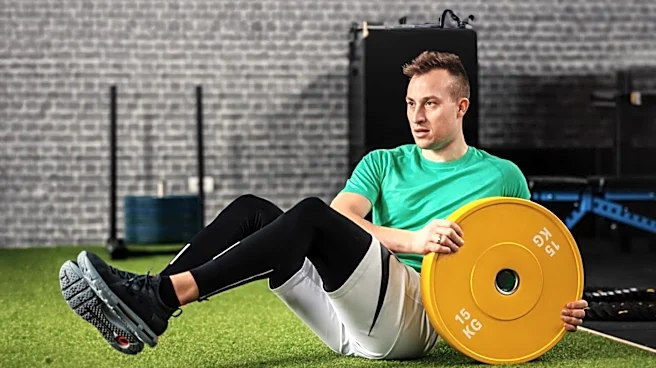
The home fitness market provides a wide array of equipment catering to various fitness goals, space constraints, and budgets. Options range from strength-building tools like dumbbells, barbells, and kettlebells, which are effective for muscle and bone
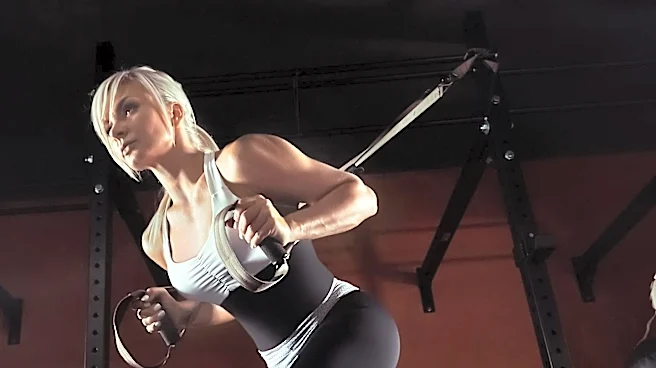
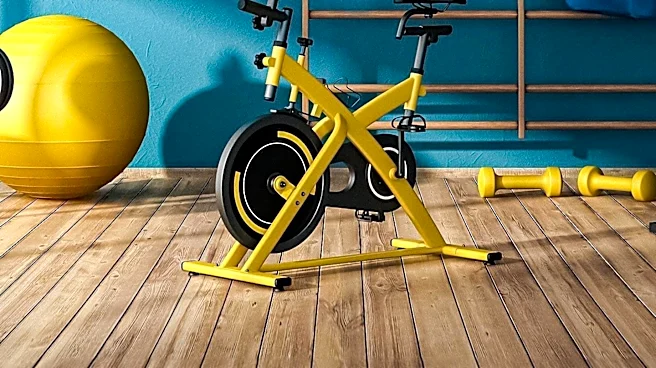
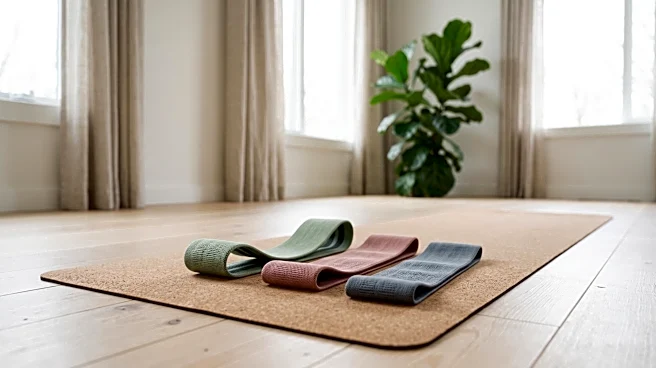
density, to cardio machines such as treadmills, indoor bikes, rowers, and air bikes, designed to enhance heart and lung capacity. For those with limited space or budget, functional and portable gear like resistance bands, suspension trainers, and jump ropes offer effective strength and mobility work. Specialty tools, including gymnastic rings, parallettes, and hangboards, are available for developing specific skills like grip strength and body control. The key to selecting appropriate equipment is aligning it with individual fitness goals, available space, and consistency of use. Used strength equipment is often a cost-effective and safe option, while caution is advised when purchasing used cardio machines due to potential wear and tear on motors and belts.
Why It's Important?
The accessibility and variety of home fitness equipment are crucial for promoting public health and well-being, especially for individuals who may not have access to traditional gyms or prefer to exercise in a private setting. The availability of low-impact options like rowing machines and indoor bikes is particularly beneficial for people with joint issues, enabling them to maintain physical activity without exacerbating discomfort. Furthermore, portable and affordable equipment democratizes fitness, making it attainable for a broader demographic regardless of income or living space. This trend supports a more active lifestyle, which can lead to reduced healthcare costs and improved quality of life. The emphasis on choosing equipment that aligns with personal goals and consistency underscores the importance of sustainable fitness habits over impulsive purchases, contributing to long-term health benefits.
What's Next?
As the demand for home fitness continues, manufacturers are likely to focus on developing more compact, versatile, and technologically integrated equipment. Innovations in smart resistance and app connectivity for cardio machines, as well as multi-functional strength training tools, are expected to become more prevalent. There will likely be continued growth in portable and space-saving solutions to cater to urban dwellers and those with smaller living spaces. Additionally, the market may see an increase in specialized equipment designed for niche fitness disciplines, further diversifying options for home users. Consumers can anticipate more personalized guidance and resources to help them select equipment that best suits their individual needs and ensures long-term engagement with their fitness routines.
Beyond the Headlines
The rise of home fitness equipment reflects a broader societal shift towards personalized wellness and self-care. This trend empowers individuals to take greater control over their health, moving away from reliance on external fitness facilities. It also highlights the evolving understanding of physical activity, where convenience and integration into daily life are prioritized. The ethical implications include ensuring the safety and durability of home equipment, as well as promoting realistic fitness expectations to prevent injury or disillusionment. Culturally, home fitness can foster a more holistic approach to health, where physical activity is viewed as an integral part of daily living rather than a separate, scheduled activity. This shift could lead to a more resilient and health-conscious population, capable of adapting their routines to various life circumstances.