


What's Happening?
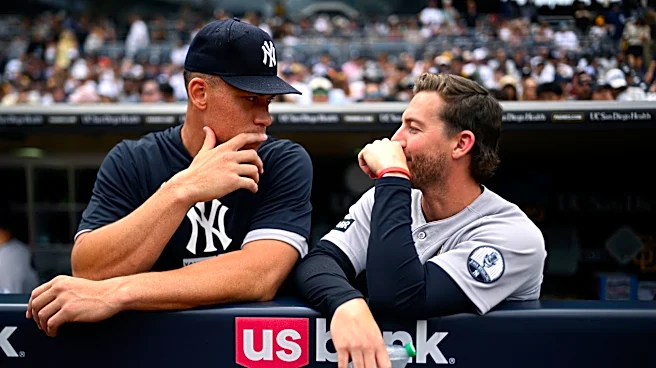
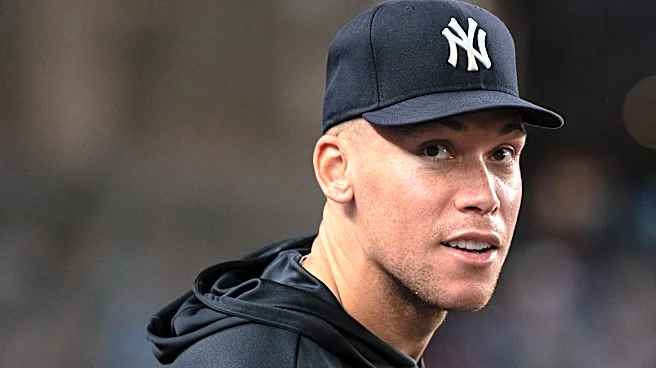
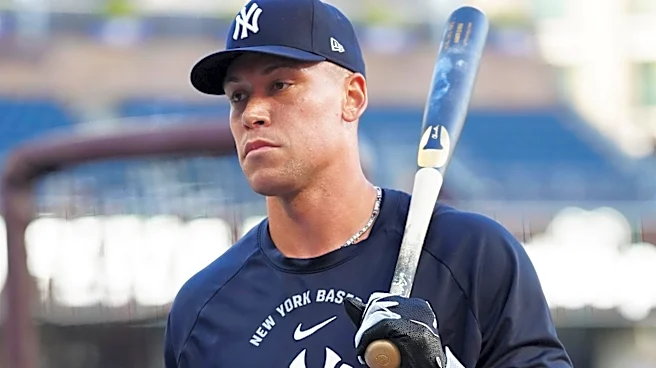
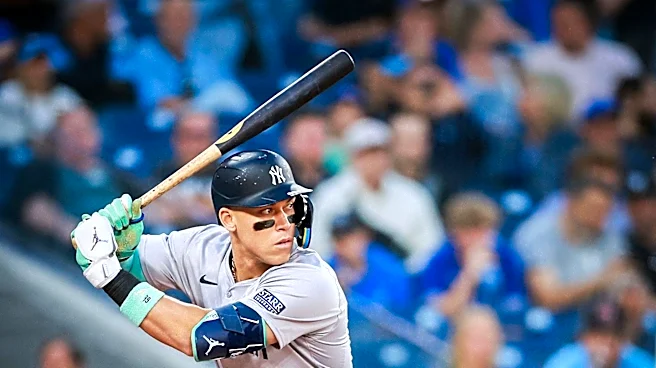
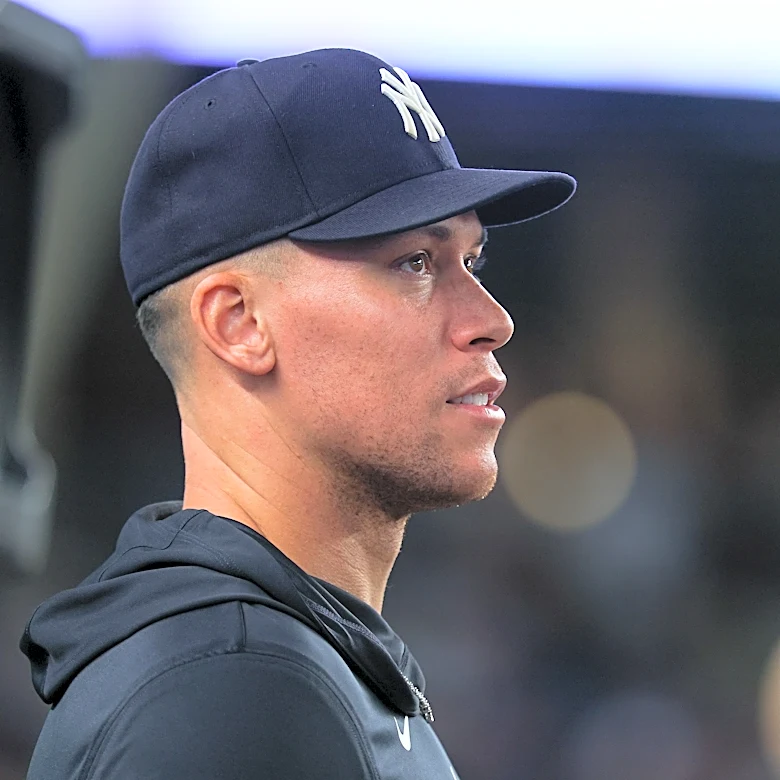
The New York Yankees have activated slugger Aaron Judge from the 60-day injured list on Monday night, marking his return after being sidelined for over three months due to a fractured rib. Judge's return comes ahead of Tuesday night’s series opener against
the Colorado Rockies in the Bronx, with 19 games remaining on the Yankees’ schedule. He had been out of play since May 31, tracing the stress fracture in his right first rib to a defensive dive made in Houston more than a month prior. Judge skipped a minor-league rehab assignment, opting instead to ramp up his workouts, including taking live batting practice for the first time since the injury on Monday afternoon at Yankee Stadium. Manager Aaron Boone had indicated the team was open to a non-traditional build-up plan for Judge's return, potentially involving playing partial games or having off days. To accommodate Judge's return, the Yankees designated right-hander Chase Hampton for assignment.
Why It's Important?
Aaron Judge's return is a significant development for the New York Yankees, who have struggled offensively in his absence. The team went 45-39 in the 84 games Judge missed, largely relying on their starting pitching. Without Judge, the Yankees averaged 4.1 runs per game and a .681 OPS, a considerable drop from 5.2 runs per game and a .770 OPS when he was in the lineup. His injury, along with those of other key players like Cody Bellinger, Trent Grisham, Ryan McMahon, and Giancarlo Stanton, has severely impacted the team's offensive production. With the Yankees currently trailing the division-leading Tampa Bay Rays by four games in the AL East and holding a two-game advantage over the Boston Red Sox for the top wild-card spot, Judge's bat could provide a crucial boost for their playoff push. His presence is expected to re-energize the offense and improve their chances in the competitive American League.
What's Next?
Aaron Judge is expected to rejoin the New York Yankees lineup for their series opener against the Colorado Rockies on Tuesday night. Manager Aaron Boone has indicated that Judge's return might involve a gradual re-entry into play, potentially including playing fewer innings or having scheduled off days to manage his workload after a prolonged absence. The focus will be on his timing, power, and bat speed, especially given the location of his injury. Judge himself expressed confidence in his ability to make an impact, even if his performance is slightly below his peak. His immediate performance will be closely watched as the Yankees aim to solidify their playoff position in the remaining 19 games of the season. The team will be looking for Judge to quickly regain his form and contribute significantly to their offensive output.
Beyond the Headlines
Judge's return highlights the broader challenges faced by MLB teams in managing star player injuries and their impact on team performance and strategy. The decision to forgo a minor-league rehab assignment for Judge, while driven by his desire to return and the team's urgent need for his offensive prowess, carries inherent risks. It underscores the pressure on high-value players to perform immediately upon return, even after significant time off. This situation also brings into focus the delicate balance between player health and team competitiveness, especially in the crucial final stretch of the season. The Yankees' offensive struggles without Judge illustrate how deeply a single player can influence a team's statistical output and overall morale, emphasizing the 'superstar effect' in professional sports. The long-term implications of such an injury and expedited return on a player's career are also a subtle, yet important, consideration.