


What's Happening?
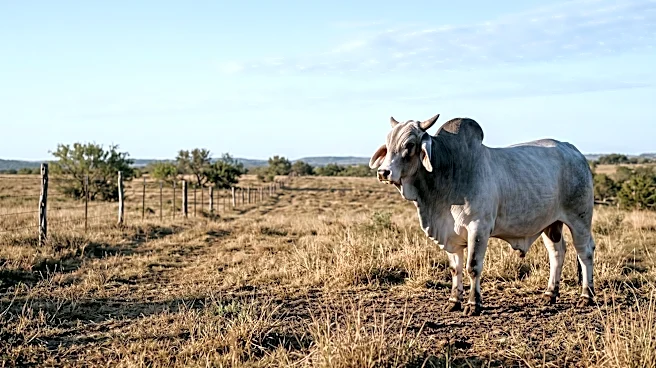
Horse exports from Texas to Mexico have recommenced after a months-long ban due to New World screwworm restrictions. The pause on exports, which began in June, significantly impacted businesses like Cavaletti Equine Logistics in San Antonio, run by Kerim
Talamas. Talamas, who typically transports dozens of horses weekly, primarily for rodeo sports, saw his operations halt. With the phased reopening across the border, exports recently resumed at the Del Rio international crossing. This resumption has led to a surge in demand, with Talamas transporting 130 horses in the first week, a significant increase from his usual 50. The New World screwworm parasite has particularly affected the Texas horse trade with Mexico, which is the largest in the U.S. This year, just over 10,000 horses have crossed from Texas into Mexico, a figure typically exceeding 15,000 by this point in the year.
Why It's Important?
The resumption of horse exports is crucial for the Texas equine industry and related businesses, particularly those involved in rodeo sports and logistics. The ban had created a substantial backlog and financial strain for transporters and horse owners. Texas is the primary state for horse trade with Mexico, making the lifting of these restrictions vital for the economic health of this sector. The New World screwworm, a parasitic threat, has demonstrated its capacity to disrupt cross-border animal trade, highlighting the vulnerability of agricultural economies to disease outbreaks. The initial ban underscored the importance of biosecurity measures and international cooperation in managing animal health to maintain trade flows. The current rush to clear the backlog also indicates the significant pent-up demand and the economic impact of such trade interruptions on local businesses and livelihoods.
What's Next?
Businesses like Cavaletti Equine Logistics will likely continue to work through the backlog of horses awaiting transport to Mexico. The immediate challenge for transporters is managing the increased volume with existing equipment and manpower, as noted by Kerim Talamas. Authorities will likely maintain vigilance regarding New World screwworm and other animal health concerns to prevent future outbreaks and trade disruptions. The phased reopening suggests a cautious approach to ensure the parasite remains contained. The industry will also be assessing the long-term impact of the ban on trade volumes and potentially implementing strategies to mitigate risks from future animal disease restrictions, possibly including enhanced biosecurity protocols or diversification of trade routes.
Beyond the Headlines
The incident highlights the delicate balance between international trade and animal health regulations. While disease prevention is paramount, the economic consequences of trade bans can be severe for specific industries and regions. The New World screwworm, though seemingly a localized issue, has broader implications for agricultural policy and trade agreements, particularly in border regions. It underscores the need for robust veterinary surveillance systems and rapid response mechanisms to minimize economic fallout from animal disease outbreaks. Furthermore, the reliance of certain cultural and sporting events, such as rodeo, on cross-border animal movement reveals an often-overlooked aspect of international trade and its impact on community traditions and livelihoods.