
What's Happening?
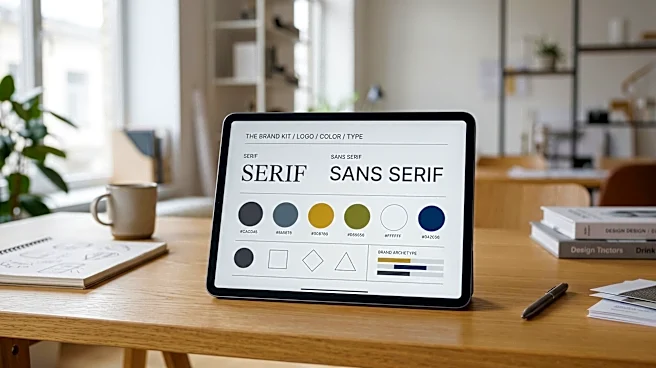
Luma AI has rolled out new features designed to help brands maintain consistency across AI-generated images and videos. The company's Uni-1 model is engineered to understand layouts, objects, text, and visual
identity, ensuring brand assets remain consistent throughout the generation process. A 'Layers' feature allows users to edit individual elements like products, backgrounds, or text without altering approved portions of an image. For video production, Ray 3.2 offers production-ready video with high dynamic range support and professional export formats, integrating with existing post-production workflows. Additionally, 'Skills' enable the capture of repeatable workflows, allowing brands to apply consistent processes to future campaigns. These tools aim to bridge the gap between brand guidelines and AI outputs, which often struggle to retain specific brand intelligence like hex codes or photography styles across different generations.
Why It's Important?
The introduction of these features by Luma AI is significant for U.S. businesses and creative industries that are increasingly adopting AI for content generation. Brand consistency is crucial for customer trust and market recognition, directly impacting campaign effectiveness and reducing marketing costs. Without tools like those offered by Luma AI, creative teams face challenges in ensuring AI-generated content aligns with established brand identities, leading to increased production hours and costly rework. This can result in a fragmented brand image, where different pieces of content appear to come from disparate sources. By providing mechanisms to embed brand intelligence into the AI generation process, Luma AI helps companies maintain a unified visual and verbal discipline, ensuring that every customer touchpoint reinforces the brand's identity and message.
What's Next?
The adoption of Luma AI's new features is expected to streamline content creation workflows for enterprise creative teams, including those at agencies like Serviceplan, Dentsu, and Publicis Groupe, which are already utilizing Luma. These agencies will likely integrate these tools into their existing processes to ensure brand consistency from the initial brief to final delivery. The ability to build on approved creative instead of starting from scratch for every revision or adaptation will likely lead to faster approval cycles and more efficient campaign rollouts. As AI technology continues to evolve, further advancements in brand-specific AI training and automated compliance tools are anticipated, allowing for even more precise adherence to brand guidelines and reducing the need for manual oversight in content review.
Beyond the Headlines
The deeper implications of Luma AI's advancements extend to the evolving landscape of digital content creation and brand management. The ethical dimension involves ensuring that AI tools are used responsibly to enhance creativity rather than diminish human oversight. Legally, the consistent application of brand guidelines through AI could help protect intellectual property and brand integrity in an era of rapid content proliferation. Culturally, these tools contribute to a more cohesive brand experience for consumers, fostering stronger brand recognition and loyalty. In the long term, this development could trigger a shift in how brand guidelines are conceptualized and enforced, moving from static documents to dynamic, AI-powered systems that actively shape and maintain brand identity across all media. This could lead to a new standard for 'on-brand' content, where AI plays a central role in upholding visual and thematic coherence.