




What's Happening?
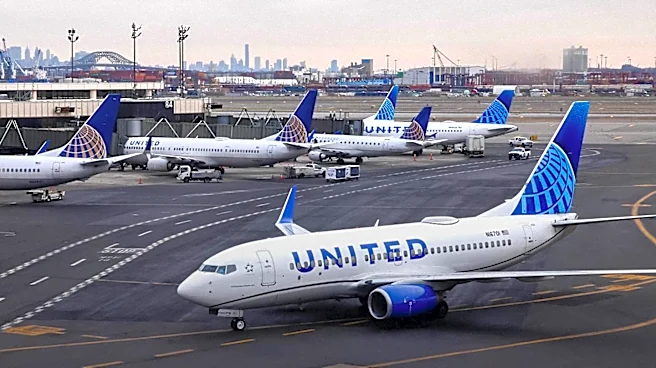
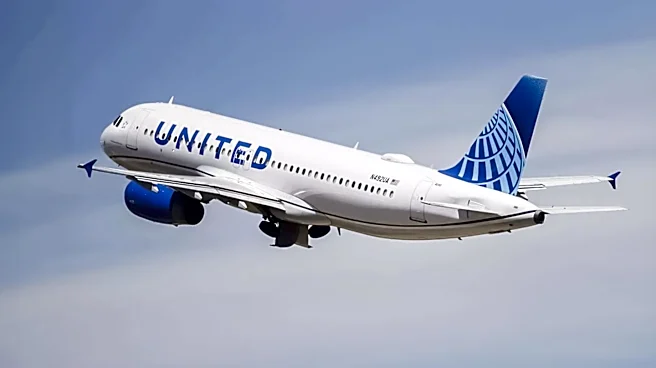
Great Falls International Airport is set to significantly increase its airline capacity this winter, as United Airlines plans to maintain its Airbus service in Great Falls throughout the entire first quarter for the first time. This strategic decision
by United Airlines will introduce approximately 3,300 additional seats in January and February, marking a substantial 33% increase in passenger capacity compared to the previous winter season. Airport Director John Faulkner views this expansion as both an opportunity and a challenge for the Great Falls market, emphasizing the need for increased passenger traffic to fill these additional seats. United will operate the larger Airbus aircraft twice daily during these months.
Why It's Important?
This increase in airline capacity is crucial for the economic development and connectivity of Great Falls. Enhanced air service can stimulate local tourism, facilitate business travel, and provide residents with more convenient and potentially more affordable travel options. For the airport, successfully filling these additional seats will be a critical test, demonstrating the market's ability to support larger aircraft and potentially influencing future decisions by airlines regarding service expansion. This development could position Great Falls as a more attractive destination and a more accessible hub, benefiting various sectors of the local economy, from hospitality to retail, and improving overall regional accessibility.
What's Next?
Airport officials and the community will closely monitor passenger numbers during January and February to assess the success of this increased capacity. Airport Director John Faulkner indicated that Great Falls needs approximately 10% growth in passenger traffic to keep pace with the additional seats. The performance during this period will be a key factor for United Airlines and other carriers when making future decisions about service levels and aircraft deployment in Great Falls. If the additional seats are consistently filled, it could lead to sustained or further expanded service, solidifying Great Falls' position as a viable market for larger aircraft and more frequent flights.
Beyond the Headlines
The shift to larger aircraft, even in smaller markets like Great Falls, reflects a broader trend in the airline industry to optimize efficiency by carrying more passengers per flight without necessarily increasing flight crew numbers. This strategy can be particularly beneficial for regional airports seeking to enhance their service offerings. However, it also places a greater onus on local communities and airports to generate sufficient demand to fill these larger planes. The success of this initiative in Great Falls could serve as a case study for other smaller airports looking to attract or retain enhanced air service, highlighting the delicate balance between airline operational efficiency and local market demand.