



What's Happening?
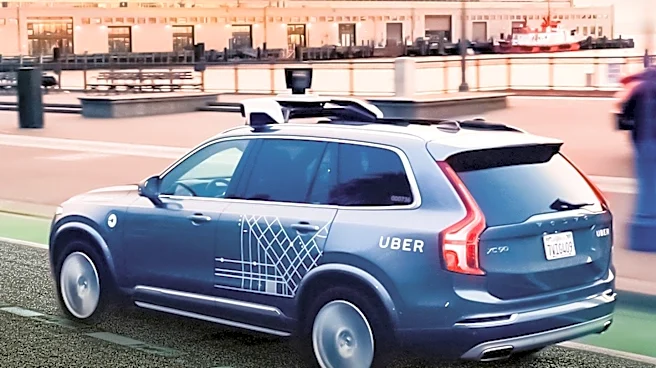
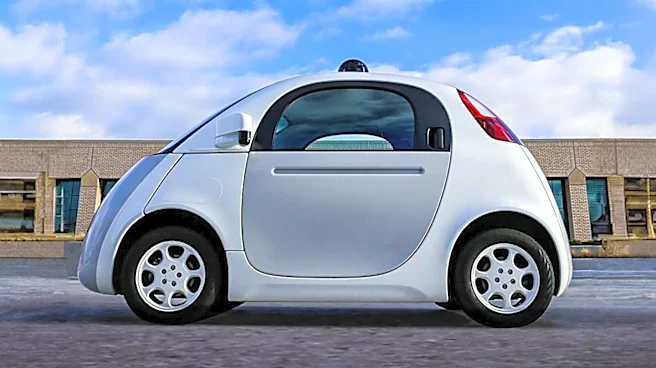
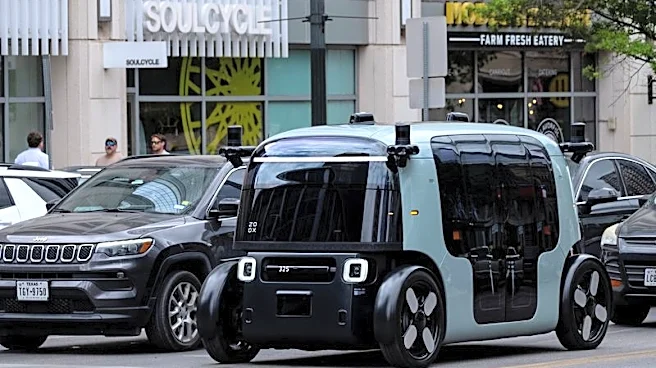
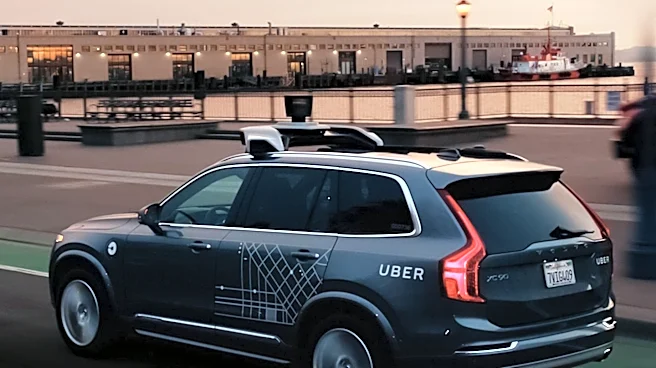
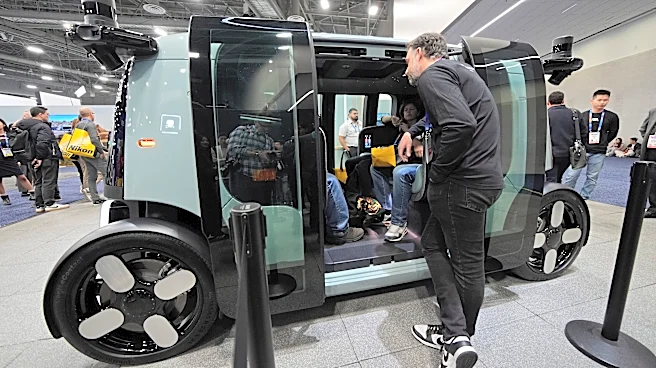
Uber is significantly expanding its autonomous vehicle (AV) network through strategic partnerships and deployments across the United States and internationally. The company has partnered with over 30 AV companies, including Motional, May Mobility, and Mercedes-Benz,
to integrate self-driving technology into its ride-hailing platform. In March 2026, Motional's self-driving Hyundai Ioniq 5 vehicles were added to the Uber app in Las Vegas, offering autonomous rides with human safety monitors. Additionally, May Mobility has deployed its AVs in Arlington, Texas, with plans to expand to other U.S. markets. Mercedes-Benz is collaborating with Nvidia to create a robotaxi ecosystem using self-driving S-Class sedans for Uber. These efforts are part of Uber's broader strategy to build an autonomous vehicle empire, following a reset in 2020 when the company sold its Uber Advanced Technologies Group to Aurora and shifted focus to core businesses.
Why It's Important?
The expansion of Uber's autonomous vehicle network represents a significant shift in the ride-hailing industry, potentially reducing reliance on human drivers and lowering operational costs. This move could lead to increased efficiency and availability of ride-hailing services, particularly in urban areas. The partnerships with various AV companies also highlight the growing importance of collaboration in the development and deployment of self-driving technology. For Uber, these developments could enhance its competitive edge in the transportation sector, positioning it as a leader in the autonomous vehicle market. However, the integration of AVs also raises questions about safety, regulatory compliance, and the impact on employment for traditional drivers.
What's Next?
Uber plans to continue expanding its autonomous vehicle network, with future deployments scheduled in major cities across North America and internationally. The company aims to deploy thousands of AVs over the next few years, with ongoing collaborations with partners like Motional and May Mobility. As the technology matures, Uber may transition to fully driverless operations, pending regulatory approvals and successful pilot programs. Stakeholders, including city governments and regulatory bodies, will likely play a crucial role in shaping the future of autonomous ride-hailing services. Additionally, public acceptance and trust in AV technology will be critical for widespread adoption.