







What's Happening?
Micro-adventures are emerging as a significant trend, offering short, intentional breaks from daily routines that require minimal planning but provide substantial psychological benefits. This concept is particularly popular among younger travelers seeking
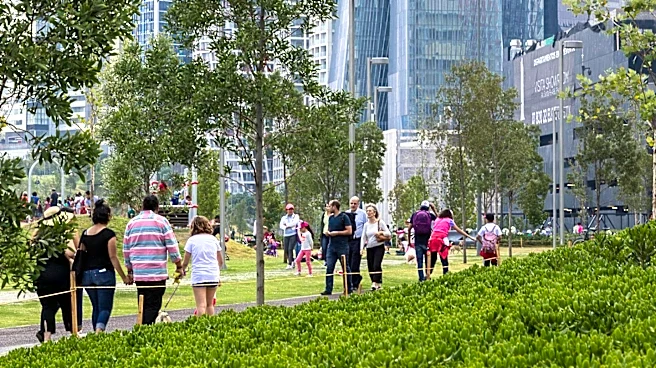
affordable and flexible travel options. These activities can range from cooking meals with local ingredients and exploring unfamiliar neighborhoods to engaging in various outdoor pursuits. The shift signifies a broader change in how individuals approach leisure, moving away from passive entertainment towards more participatory and experiential forms. This trend is influencing urban planning and the design of public spaces and social hubs, as cities adapt to cater to this evolving demand for active engagement and curated experiences.
Why It's Important?
The rise of micro-adventures reflects a fundamental shift in consumer behavior and lifestyle preferences within the U.S. and globally. This trend impacts industries such as tourism, hospitality, and urban development. For the tourism sector, it highlights a growing demand for localized, accessible, and unique experiences over traditional, longer vacations. Cities and urban planners are increasingly recognizing the need to design public spaces that facilitate these micro-adventures, such as pop-up art installations, outdoor markets, and immersive dining concepts. Businesses that can adapt to offer these short, engaging, and often community-driven experiences stand to gain, while those relying solely on conventional, passive entertainment models may face challenges. The emphasis on participation, creation, and discovery also points to a broader societal desire for more meaningful and less screen-dependent leisure activities.
What's Next?
The continued growth of micro-adventures is likely to drive further innovation in urban planning and the leisure industry. We can expect to see more cities investing in flexible public spaces and infrastructure that support diverse, spontaneous activities. Businesses will likely develop more tailored offerings, such as specialized workshops, themed local tours, and community-focused fitness events, to cater to this demand. There may also be an increased focus on promoting local exploration and supporting small businesses that provide unique, authentic experiences. As individuals continue to prioritize experiences over material possessions, the market for accessible, engaging, and psychologically rewarding micro-adventures is set to expand, influencing how leisure time is structured and consumed.
Beyond the Headlines
Beyond the immediate economic and urban planning implications, the micro-adventure trend touches upon deeper societal and psychological dimensions. It highlights a collective yearning for mindfulness, disconnection from digital overload, and a return to tactile, real-world experiences. The emphasis on local exploration can foster a stronger sense of community and appreciation for one's immediate surroundings. Ethically, it promotes sustainable tourism by encouraging local engagement and reducing the environmental impact associated with long-distance travel. Culturally, it signifies a redefinition of 'fun' and 'leisure,' moving away from consumerism towards personal enrichment and experiential living. This shift could lead to a more balanced and fulfilling lifestyle for many, as individuals integrate small moments of wonder and discovery into their everyday routines.