


What's Happening?
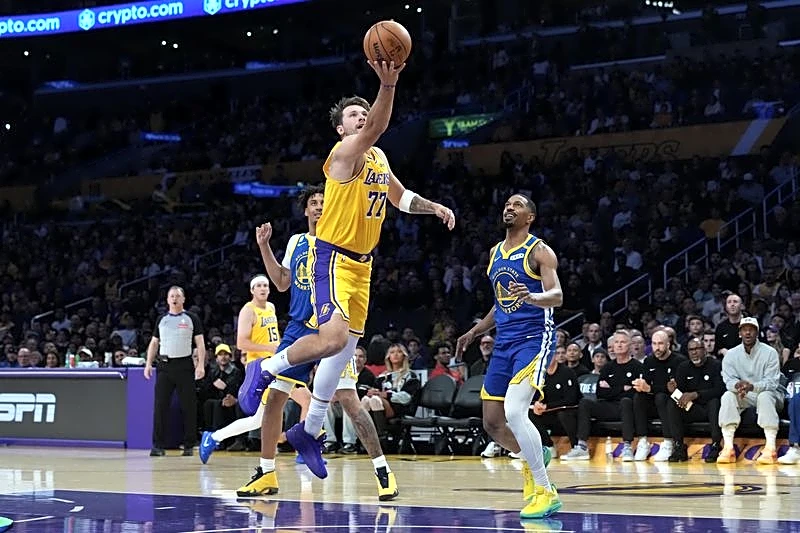
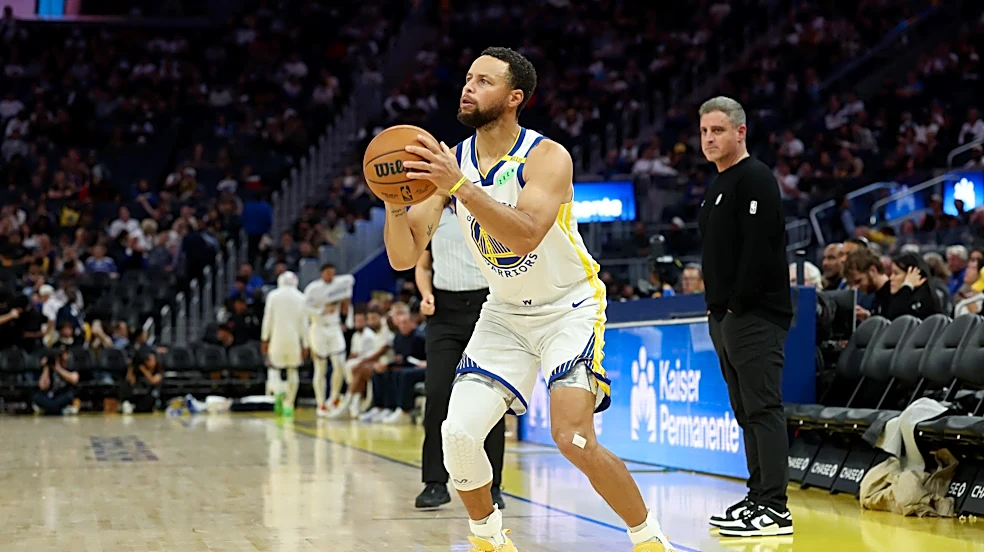
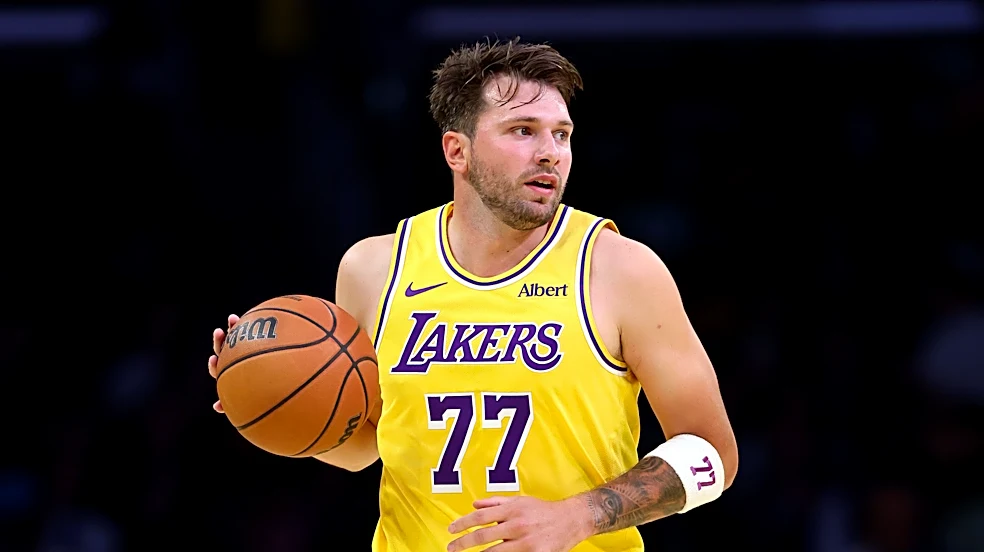
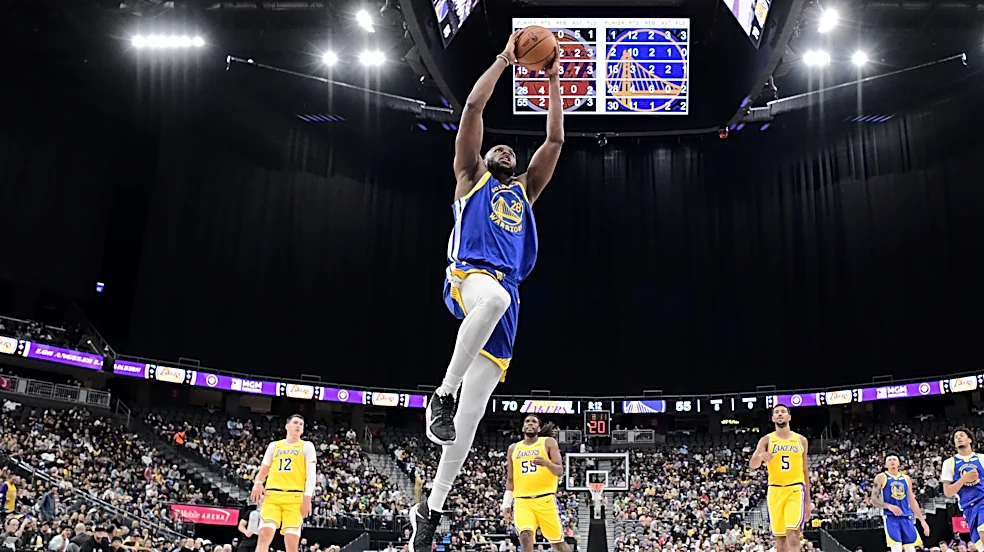
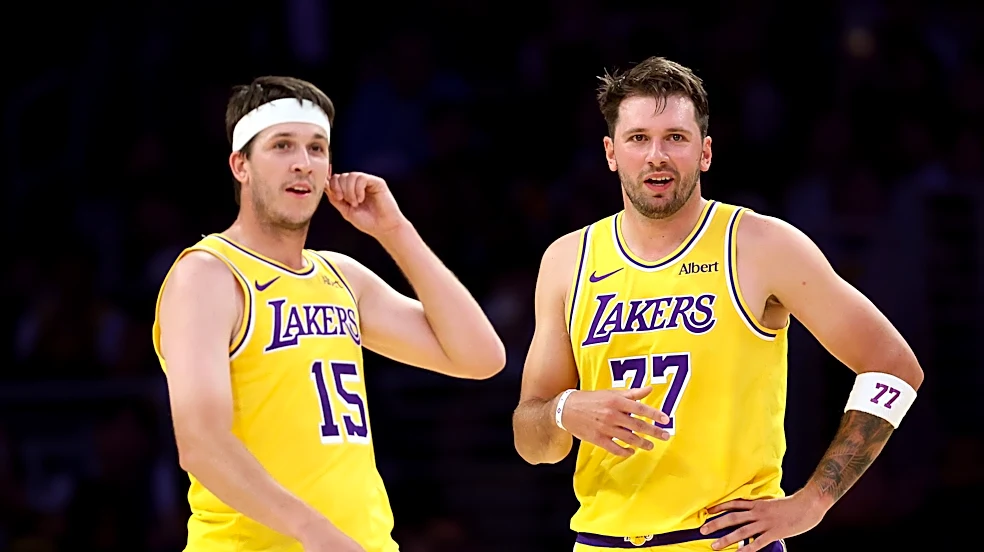
Former NBA player Kendrick Perkins has publicly criticized Golden State Warriors General Manager Mike Dunleavy Jr. for the team's current performance and its impact on star player Steph Curry. Following the Warriors' 127-105 loss to the Los Angeles Lakers,
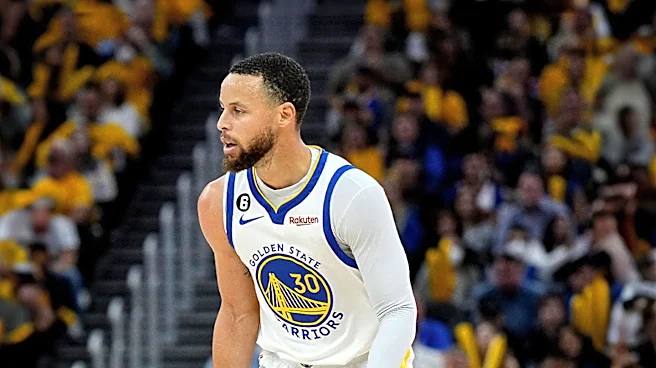
Perkins expressed sadness watching Curry, feeling he is being forced to carry the team on his own. Perkins contrasted Dunleavy Jr.'s management with that of former GM Bob Myers, stating that Myers consistently ensured Curry was in a position to contend for championships. He urged Dunleavy Jr. to 'do his job' and prevent the 'wasting' of Curry's talent, highlighting the mounting pressure on the Warriors' front office amidst the team's struggles.
Why It's Important?
This criticism from a prominent sports analyst like Kendrick Perkins underscores significant concerns about the Golden State Warriors' strategic direction and its potential impact on one of the NBA's most iconic players, Steph Curry. The perceived decline in the team's competitiveness, despite Curry's continued high-level performance, raises questions about roster construction, player development, and overall management effectiveness under Mike Dunleavy Jr. This situation is critical because it affects not only the Warriors' immediate championship aspirations but also Curry's legacy and the team's long-term future. If the team continues to underperform, it could lead to fan disillusionment, financial repercussions for the franchise, and potentially force difficult decisions regarding the team's core players or coaching staff. The pressure on Dunleavy Jr. to make impactful changes is intensifying, as the window for Curry to contend for more championships may be closing.
What's Next?
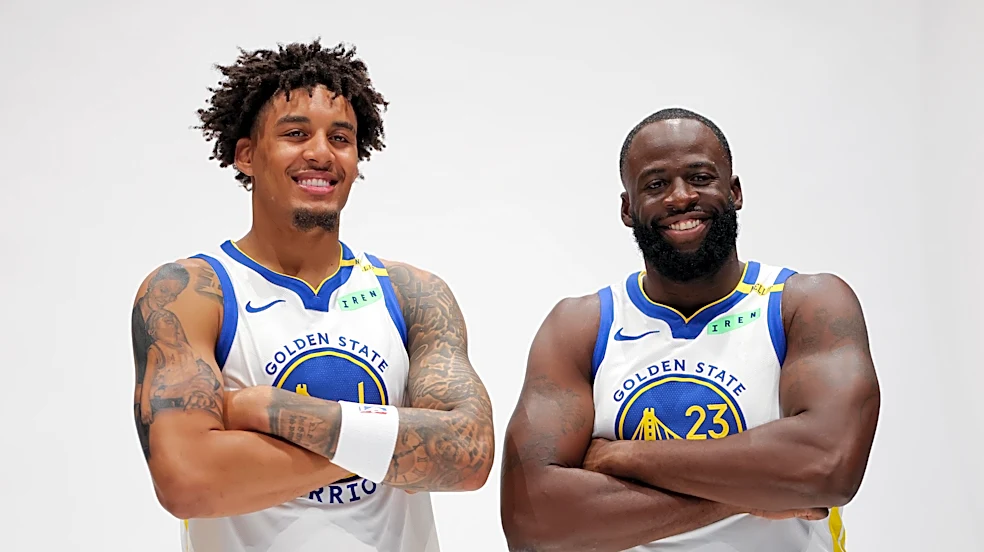
The immediate future for the Golden State Warriors will involve intense scrutiny of their performance and management decisions. Mike Dunleavy Jr. and the front office will face increasing pressure to make roster adjustments, potentially through trades or other strategic moves, to improve the team's competitiveness and support Steph Curry. The team's ability to integrate key players like Draymond Green and manage injuries, such as Kristaps Porzingis's setback, will be crucial. Coach Steve Kerr has indicated that the Warriors are reluctant to trade draft picks to build around Curry, suggesting a cautious approach to team building. However, if the team's struggles persist, the management may be forced to reconsider its strategy to avoid further 'wasting' Curry's prime years. The coming weeks and months will reveal whether Dunleavy Jr. can effectively address these concerns and steer the Warriors back into championship contention.
Beyond the Headlines
The situation with the Golden State Warriors and Steph Curry reflects a broader challenge in professional sports: managing the twilight years of a superstar's career while maintaining team competitiveness. It highlights the delicate balance between loyalty to franchise legends and the ruthless demands of winning championships. The comparison to former GM Bob Myers also brings into focus the impact of leadership changes in sports organizations and how different management philosophies can shape a team's trajectory. Ethically, the debate touches on the responsibility of a franchise to its star players, particularly those who have brought immense success. Culturally, it speaks to the high expectations placed on successful teams and the swift public reaction to perceived declines. This scenario could serve as a case study for other sports franchises navigating similar transitions, emphasizing the importance of strategic foresight and effective communication in maintaining both on-court success and fan engagement.