





What's Happening?
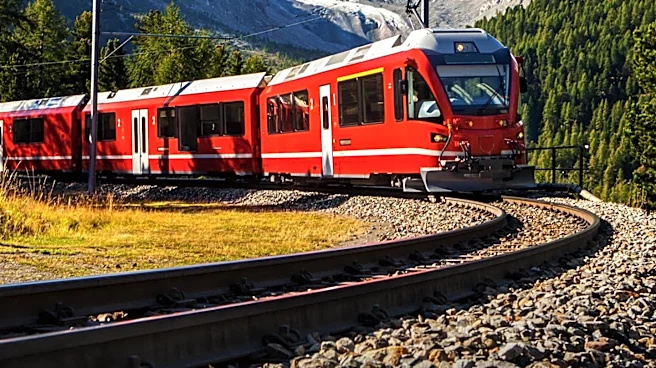
A significant shift is occurring in European tourism, with travelers increasingly opting for rail journeys over air travel, embracing a concept known as 'Slow Travel.' This approach prioritizes immersive experiences and connection with destinations rather
than rapid transit between numerous locations. Unlike traditional air travel, which often involves stressful airport procedures and locations far from city centers, train travel allows passengers to arrive directly in the heart of European cities. It also offers opportunities for 'micro-adventures' through stopovers in smaller towns and villages along the route. This trend is driven by a desire for a more relaxed and enriching travel experience, moving away from the hurried 'checklist' approach to sightseeing. The shift is also influenced by the enhanced comfort and environmental benefits of rail travel, which provides more legroom, Wi-Fi, and significantly reduces carbon footprints compared to short-haul flights.
Why It's Important?
This growing preference for slow travel and European rail odysseys has several implications for the travel and tourism industry. For airlines, particularly those operating short-haul European routes, it could signal a decline in demand as travelers seek alternatives. Conversely, European railway networks and associated tourism businesses stand to gain significantly from increased passenger numbers. The emphasis on 'micro-adventures' and stopovers could boost local economies in smaller, often overlooked towns along train routes, distributing tourist revenue more broadly. Furthermore, the environmental benefits of rail travel align with increasing consumer demand for sustainable tourism options, potentially influencing investment in and development of more eco-friendly transportation infrastructure. This trend also highlights a broader cultural shift in how people perceive and value their leisure time, moving towards quality of experience over quantity of destinations.
What's Next?
As the 'Slow Travel' movement gains momentum, it is anticipated that European rail operators will continue to enhance their services and offerings to cater to this growing demand. This could include more flexible ticketing options, improved onboard amenities, and curated travel packages that highlight scenic routes and potential stopover locations. Travel booking platforms are likely to adapt by making it easier to plan multi-stop rail journeys and integrate local experiences. There may also be increased collaboration between rail companies and local tourism boards to promote specific regions and 'micro-adventure' opportunities. The success of this trend could also inspire similar shifts in other regions globally, prompting a re-evaluation of travel infrastructure and consumer preferences towards more sustainable and experiential modes of transport. Travelers are encouraged to book popular routes and iconic landmark entries in advance, especially during peak seasons, to ensure a stress-free journey.
Beyond the Headlines
The rise of 'Slow Travel' through European rail journeys reflects a deeper societal yearning for authenticity and a rejection of the fast-paced, often superficial aspects of modern life. It speaks to a desire for more meaningful engagement with places and cultures, moving beyond mere consumption of tourist attractions. This trend could foster a greater appreciation for the journey itself, transforming travel from a means to an end into an integral part of the experience. Ethically, the reduced carbon footprint of rail travel aligns with global efforts to combat climate change, positioning it as a more responsible choice for conscious travelers. Culturally, it encourages a return to a more contemplative and observant mode of travel, potentially leading to a richer understanding and connection with the diverse landscapes and histories of Europe. This shift may also influence urban planning, with cities potentially investing more in accessible train stations and integrated public transport to accommodate this growing demographic of travelers.