




What's Happening?
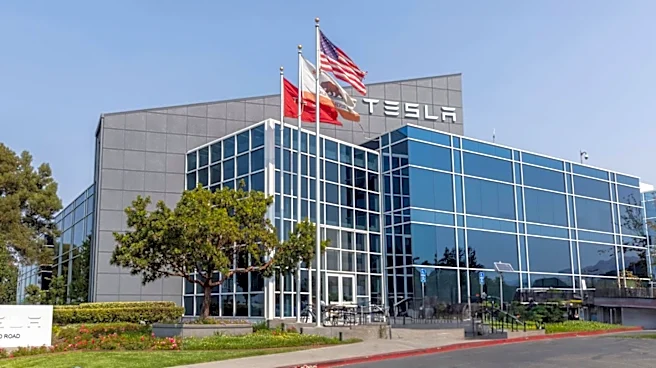
Pacific Gas and Electric Company (PG&E) has announced the launch of SHARE (Smart Home Assets for Reliability and Efficiency), a new Virtual Power Plant (VPP) initiative in collaboration with Rewiring America, Google, Carrier Global Corporation, Tesla,
Sunrun, and other partners. This first-of-its-kind program aims to improve grid reliability and affordability for customers in Bay Area communities. The SHARE VPP will create a coordinated network of home batteries, smart devices, and battery-enabled heat pumps to reduce energy consumption during peak demand periods. Google is fully funding the program, covering customer incentives, technology deployment, and overall delivery. PG&E and Rewiring America plan to begin outreach to eligible customers in the fall of 2026, with the program expected to run through 2027. The initiative will enroll nearly 21,000 existing flexible energy devices from customers and deploy new electrification technologies, such as Carrier's battery-enabled heat pumps, in Santa Clara and Alameda counties.
Why It's Important?
The SHARE VPP represents a significant shift in how utilities can manage increasing electricity demand and enhance grid stability. By integrating distributed energy resources directly into homes, PG&E aims to create additional capacity, reduce strain on the existing infrastructure, and potentially lower energy rates for all customers. This model allows participating households to save money through smarter energy management and earn rewards for using their smart devices. The program's focus on targeted investments in homes where energy demand is growing offers a complementary, near-term solution to traditional grid modernization efforts. This approach could serve as a blueprint for other regions facing similar challenges, demonstrating how collaboration between utilities, technology companies, and consumers can lead to a more resilient and affordable energy system. The involvement of major tech and energy players like Google, Tesla, and Sunrun underscores the growing recognition of distributed energy's role in the future of the U.S. power grid.
What's Next?
PG&E and Rewiring America are scheduled to begin contacting eligible customers in the fall of 2026 to enroll them in the SHARE program. Initial findings and insights from the VPP are anticipated to be shared in late 2026 or early 2027, providing crucial data on its effectiveness and impact. The program is slated to continue through 2027, during which time PG&E will lead planning, analysis, and validation to assess customer benefits and system performance. If successful, this proof-of-concept could expand beyond residential customers to include commercial, industrial, and utility-scale applications, potentially informing future solutions for transmission constraints and local capacity challenges across the electric system. The collaboration aims to establish a new model for how utilities, customers, and technology partners can collectively address growing electricity demands reliably and affordably.
Beyond the Headlines
The SHARE VPP initiative highlights a broader trend towards decentralization and digitalization in the energy sector. By leveraging smart home technologies and customer participation, utilities can move beyond a purely centralized generation model to one that integrates distributed resources more effectively. This shift has implications for consumer engagement, as it empowers households to become active participants in energy management and grid stability. Furthermore, Google's full funding of the program signals a growing interest from tech giants in sustainable energy solutions and their potential role in shaping future energy markets. The ethical considerations around data privacy and the equitable distribution of benefits among participating and non-participating customers will be important to monitor as such programs scale. This model could also accelerate the adoption of home electrification technologies, contributing to decarbonization goals and fostering innovation in the smart home sector.