





What's Happening?
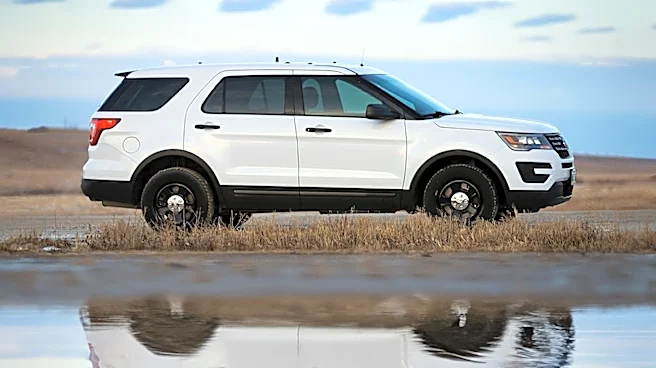
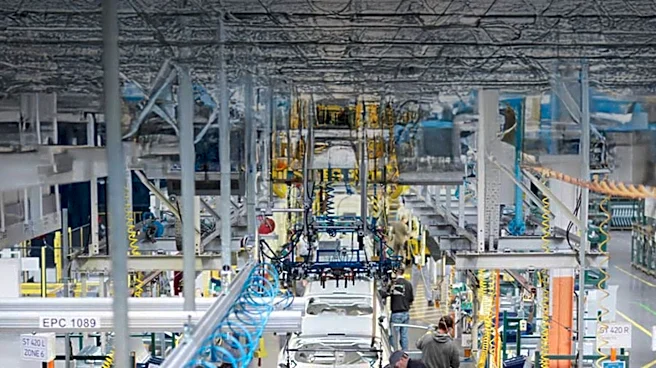
The Mazda Navajo, introduced in 1991, was a result of a collaboration between Ford and Mazda, with Ford holding a 25% stake in Mazda at the time. The vehicle was essentially a rebadged Ford Explorer Sport, assembled in the Louisville, Kentucky plant.
This partnership allowed Mazda to enter the SUV market by leveraging Ford's existing model. The Navajo featured slight exterior modifications to differentiate it from the Explorer, such as a different front fascia and new headlights. Despite these changes, the vehicle maintained the core features of the Explorer, including the 4.0-liter Cologne V6 engine. The Navajo was sold exclusively in the U.S. and was produced until 1994.
Why It's Important?
The Mazda Navajo represents a significant moment in automotive history, highlighting the strategic partnerships between automakers to expand market presence. For Mazda, this collaboration with Ford allowed it to quickly enter the growing SUV market in the U.S. without the need for extensive development resources. The Navajo's success, including being named Motor Trend's Truck of the Year in 1991, demonstrated the potential of badge engineering as a viable business strategy. This approach not only helped Mazda establish a foothold in the SUV segment but also showcased the benefits of cross-brand collaborations in the automotive industry.
What's Next?
While the Mazda Navajo itself was discontinued in 1994, the legacy of such collaborations continues to influence the automotive industry. Automakers frequently engage in partnerships to share technology and platforms, reducing costs and accelerating time-to-market for new models. As the industry shifts towards electric vehicles, similar collaborations may become increasingly important, allowing companies to pool resources and expertise to meet new technological and regulatory challenges.