




What's Happening?
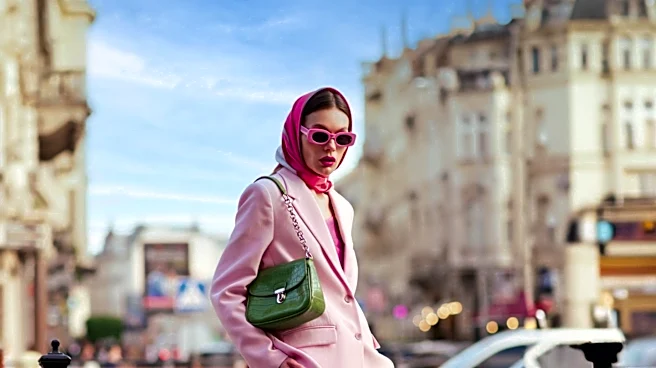
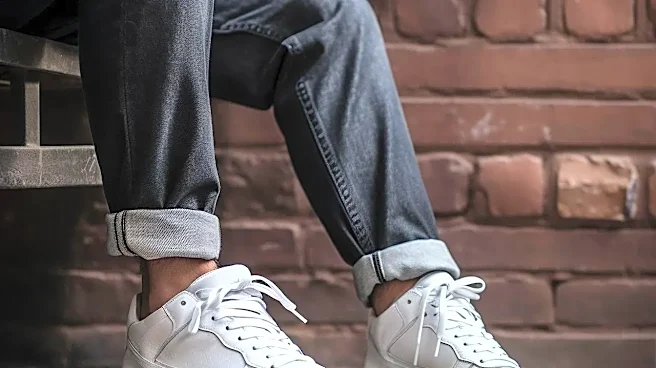
Street style, as observed in fashion hubs like Paris and Milan, is characterized by its emphasis on simplicity and balance, rather than complex layering or avant-garde designs. Common elements include oversized cotton crewneck shirts, classic straight-legged
jeans, and unbuttoned oversized shirts. The core principle behind achieving a street style look is creating visual tension, proportion, and focal contrast. Fabrics play a crucial role, needing sufficient structure to maintain their form, such as a heavy jersey cotton t-shirt that retains its squared-off shoulders. Accessories are kept minimal to avoid clutter, with tonal accents like pastel-colored sneakers used to introduce character and contrast without overwhelming the outfit. The approach suggests an 80/20 rule: 80% of the outfit should be plain, with 20% dedicated to unexpected texture, shape, or color.
Why It's Important?
This approach to street style is important because it democratizes fashion, making it accessible beyond high-end designer pieces. By focusing on fundamental principles like visual tension and proportion, individuals can elevate everyday clothing items into deliberate fashion statements. This shift challenges the notion that making an impression requires expensive or elaborate wardrobes, instead highlighting the power of thoughtful styling. The emphasis on structured fabrics and minimal accessories also promotes a more sustainable and versatile wardrobe, encouraging consumers to invest in quality basics that can be reinterpreted in various ways. This trend influences how fashion is perceived and consumed, moving towards a more intentional and less trend-driven approach to personal style.
What's Next?
Looking ahead, the principles of street style are likely to continue influencing mainstream fashion and consumer choices. The focus on versatile, well-structured basics suggests a sustained interest in capsule wardrobes and conscious consumption. Designers and brands may increasingly incorporate these principles into their collections, offering pieces that lend themselves to easy styling and adaptability. The emphasis on subtle contrasts and tonal accents could also lead to a greater appreciation for nuanced color palettes and fabric textures in upcoming seasons. This evolution in street style indicates a broader cultural shift towards practicality and understated elegance in everyday dressing, moving away from overly complicated or heavily branded looks.
Beyond the Headlines
The underlying philosophy of street style, which prioritizes balance and deliberate friction in outfits, reflects a deeper cultural appreciation for thoughtful design and personal expression. It moves beyond mere aesthetics to consider the architectural qualities of clothing, such as drape, weight, and how fabric interacts with motion. This perspective encourages individuals to view their wardrobe as a collection of functional pieces that can be artfully combined, rather than just a display of brand names. The 'wrong shoe theory,' for instance, highlights the creative potential of unexpected pairings, suggesting that fashion is as much about challenging conventions as it is about adhering to them. This intellectual approach to dressing fosters creativity and individuality, allowing personal taste to dictate style rather than fleeting trends.