






What's Happening?
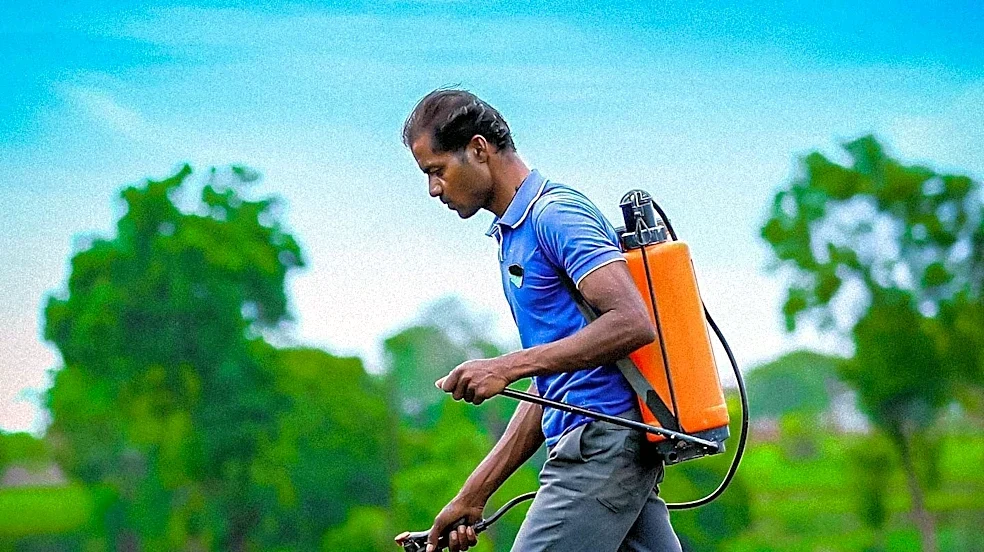
Golf course and country club facilities are increasingly adopting comprehensive pest control services to manage various pests, particularly mosquitoes. These establishments, which include clubhouses, restaurants, event venues, and extensive outdoor areas,
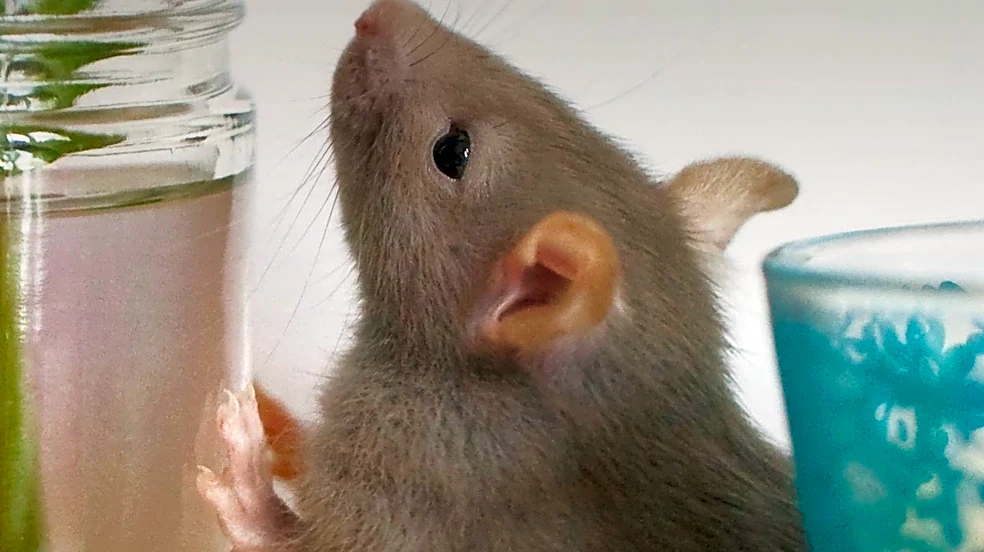
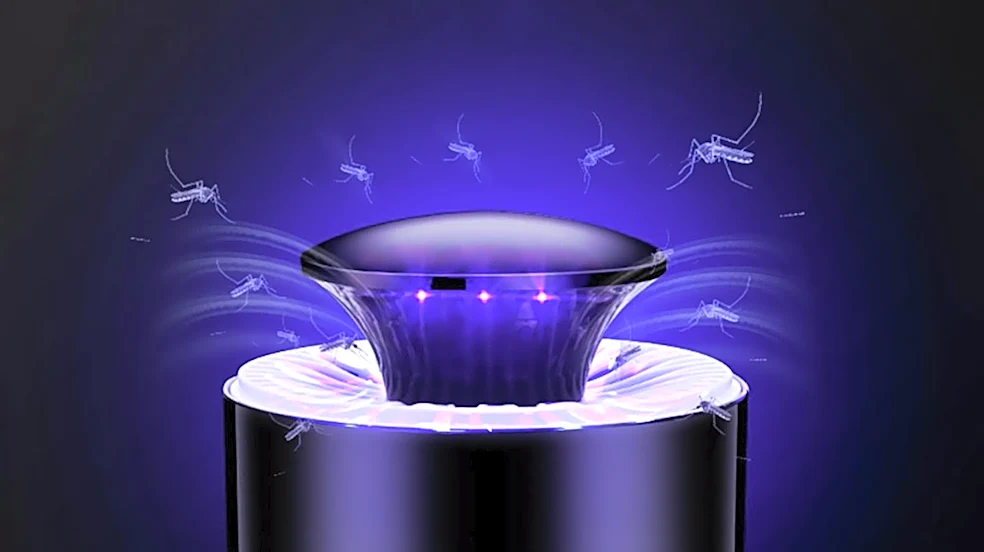
offer ideal conditions for pests due to the presence of food, water, and shelter. Mosquitoes, in particular, thrive in standing water found in ponds, drainage systems, and irrigation setups, making these areas critical points for monitoring and intervention. The pest control strategies involve regular inspections, sanitation improvements, and water management to mitigate pest activity before it impacts guest experiences and property reputation. Other common pests addressed include rodents, ants, and flies, which are attracted to food service areas, dense landscaping, and storage facilities.
Why It's Important?
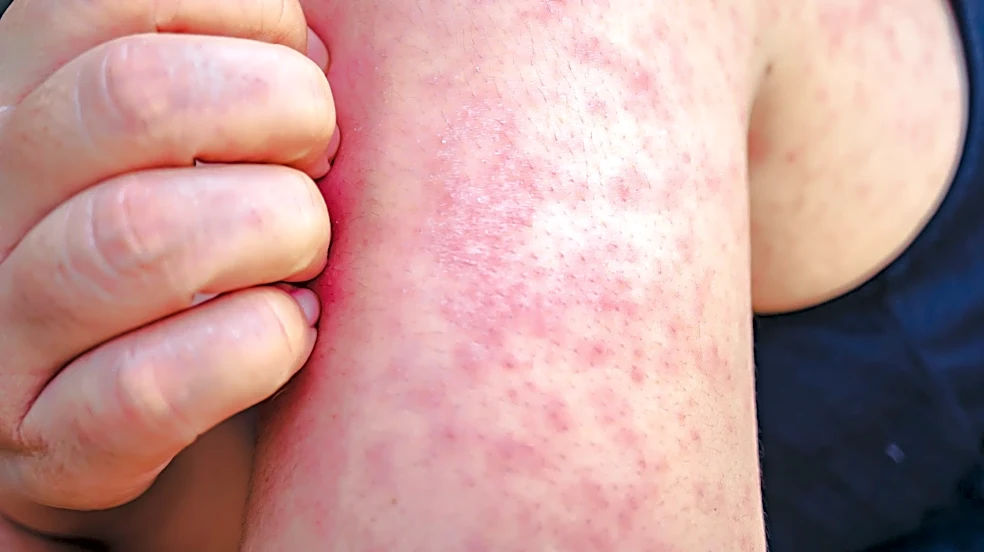
The implementation of advanced pest control on golf courses is crucial for maintaining the comfort and safety of guests and staff, as well as protecting the significant investments in these facilities. Mosquitoes can transmit diseases and significantly detract from the enjoyment of outdoor activities, impacting the reputation and profitability of golf courses and country clubs. Effective pest management ensures that outdoor dining areas, event spaces, and the golf course itself remain pleasant and safe. Furthermore, proactive measures prevent larger infestations that could lead to costly remediation efforts and potential health risks. By addressing pest issues comprehensively, these facilities can uphold their standards of quality and provide an uninterrupted, high-quality experience for their patrons.
What's Next?
Golf course and country club facilities are expected to continue refining their pest management programs, focusing on integrated pest management (IPM) approaches. This involves ongoing monitoring, early identification of pest activity, and the use of multiple control methods tailored to the specific layout and operational needs of each property. Future efforts will likely emphasize source reduction, such as improved drainage and water management, alongside targeted treatments. Training staff to identify and report pest sightings promptly will also be a key component. Collaboration with professional pest control services will remain essential to develop customized plans that address both indoor and outdoor pest pressures, ensuring long-term effectiveness and guest satisfaction.
Beyond the Headlines
Beyond immediate pest control, the proactive measures taken by golf courses highlight a broader trend in commercial property management towards environmental stewardship and public health. By meticulously managing standing water and other pest breeding grounds, these facilities contribute to reducing the overall mosquito population in surrounding areas, potentially lowering the risk of mosquito-borne diseases for the wider community. This approach also reflects a growing awareness of the interconnectedness between environmental conditions, public health, and business operations. The commitment to comprehensive pest control can enhance a facility's brand image, demonstrating a dedication to guest well-being and responsible land management, which can be a significant differentiator in a competitive market.