



What's Happening?
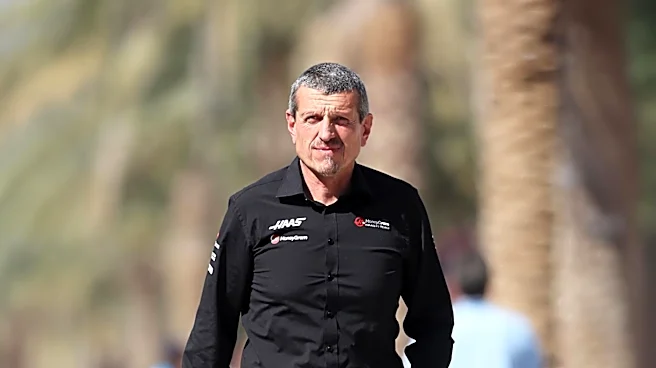
Guenther Steiner, the former team principal of Haas F1, has expressed regret over staying with the team for what he believes was 'two years too long' before his departure at the end of the 2023 season. Steiner, who was instrumental in Haas's entry into
Formula 1 in 2016 and led them to their best constructors' championship finish of fifth in 2018, cited fundamental disagreements with owner Gene Haas regarding the team's direction. His tenure became increasingly challenging after 2019, marked by issues like the failed Rich Energy partnership and controversies surrounding drivers Nikita Mazepin and Mick Schumacher. Steiner revealed that he was informed of his non-renewal by Gene Haas via a phone call while at a supermarket, a decision he ultimately found relieving as he disagreed with the team's trajectory. He noted a gradual deterioration of his relationship with Gene Haas, particularly after the difficulties faced post-2020 and the COVID-19 pandemic, leading to infrequent communication. Steiner now states he has no current relationship with Gene Haas, though he maintains positive relations with most others in the paddock.
Why It's Important?
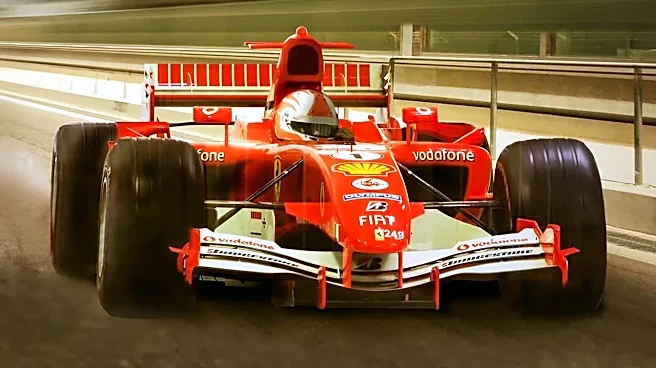
Steiner's candid reflections highlight the internal struggles and strategic misalignments that can plague even established teams in highly competitive sports like Formula 1. His comments underscore the critical role of leadership vision and resource allocation in team performance and development. The U.S.-based Haas F1 team's inability to sustain early success, as described by Steiner and echoed by former Ferrari race engineer Rob Smedley, points to potential structural limitations. Smedley suggests that Haas's economic and technical model, heavily reliant on its partnership with Ferrari, may inherently prevent it from becoming a top-tier contender, particularly in car development throughout a season. This situation could impact the team's appeal to sponsors, talent, and ultimately its long-term viability and competitiveness in the global motorsport arena, reflecting broader challenges for U.S. entities competing at the highest levels of international sports.
What's Next?
Haas F1, now under the leadership of Ayao Komatsu, is preparing for the second half of the season, aiming to rebound from a challenging period. The team is approaching the Dutch Grand Prix with a focus on operational excellence, especially given the Sprint weekend format which limits practice time. Komatsu emphasizes the importance of the summer break for the team to reset and improve. The team's current performance, sitting seventh in the constructors' championship with 21 points, indicates a need for significant improvement to climb the ranks. The ongoing debate about the team's structural limitations and development capabilities will likely continue, with external observers like Rob Smedley suggesting that the current model may hinder their ability to become a front-running team. The team's future driver lineup is also a subject of speculation, with Esteban Ocon's seat reportedly in jeopardy and Leonardo Fornaroli being considered alongside Oliver Bearman.
Beyond the Headlines
The narrative surrounding Haas F1 extends beyond immediate race results, touching upon the philosophical differences in managing a professional sports franchise. Steiner's account reveals a tension between a pragmatic, cost-conscious approach and the aggressive investment required for sustained success in Formula 1. This dynamic is particularly relevant for U.S.-owned teams entering global sports, where different business models and competitive philosophies may clash. The reliance on technical partnerships, while cost-effective initially, can create a ceiling for independent development and performance. The public nature of Steiner's departure and his subsequent comments also highlight the intense scrutiny and personal toll experienced by individuals in high-stakes sports management, where professional disagreements can lead to significant personal and professional shifts. The ongoing discussion about Haas's potential and limitations raises questions about the optimal strategy for U.S. teams to thrive in a European-dominated sport.