

What's Happening?
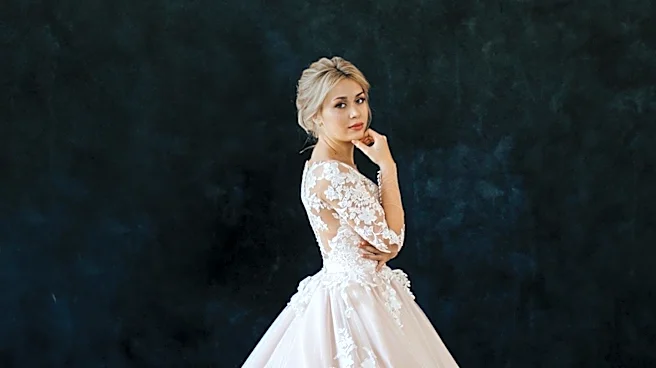
Bridal fashion is undergoing a significant transformation in 2026, moving away from the minimalist and simple silhouettes that have dominated in recent years. Celebrity stylist and wardrobe consultant Erin Noël notes a shift towards more dramatic gowns,
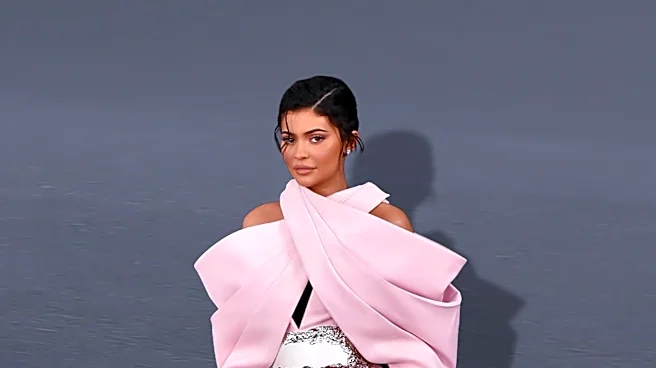
sculptural dresses, and interesting proportions. This change reflects a broader trend in fashion towards individuality and experimentation, where brides are increasingly looking to create unique fashion moments on their wedding day. The resurgence of ball gowns is also observed, but with a modern twist, focusing on creating an incredible fashion silhouette rather than a traditional 'princess' look. This evolution in bridal wear emphasizes personal style and the opportunity for brides to express themselves through their attire, incorporating elements like basque waists, drop waists, and even archival fashion for inspiration.
Why It's Important?
This shift in bridal fashion signifies a broader cultural movement towards personal expression and away from rigid trends. For the U.S. fashion industry, this means a potential increase in demand for custom designs, unique fabrics, and more elaborate embellishments, which could boost specialized bridal boutiques and designers. It also suggests a move away from mass-produced, uniform styles, encouraging creativity and craftsmanship. Brides stand to gain by having more diverse options that truly reflect their personality, making their wedding day attire a more authentic representation of their individual taste. Conversely, manufacturers and retailers heavily invested in minimalist bridal lines may need to adapt their offerings to meet the evolving consumer demand for more dramatic and individualized styles, or risk becoming outdated.
What's Next?
The bridal fashion industry is expected to continue embracing individuality, with designers likely to showcase more diverse and elaborate collections. We may see an increased focus on sustainable and ethically sourced materials, as well as a blend of vintage and contemporary elements in wedding attire. Brides will likely continue to prioritize pieces that can be re-worn or repurposed after the wedding, reflecting a growing consciousness about investment pieces and sustainability. This trend could also influence related industries, such as event planning and photography, as couples seek to create a cohesive and personalized aesthetic for their entire wedding experience. Fashion houses and bridal brands will need to innovate and offer customizable options to cater to this evolving market.
Beyond the Headlines
This trend extends beyond mere aesthetics, reflecting a deeper societal shift towards valuing authenticity and personal narrative over conformity. In an era where social media often dictates trends, the move towards individualized bridal fashion suggests a desire to break free from 'aesthetic monoculture' and celebrate unique identities. It highlights the wedding day as a significant cultural event where personal values and style can be powerfully expressed. This could also lead to a re-evaluation of traditional wedding norms, encouraging more unconventional choices in all aspects of wedding planning. The emphasis on 'fashion drama' and 'incredible fashion silhouettes' suggests a desire for memorable experiences and visual impact, aligning with broader trends in experiential consumption.