



What's Happening?
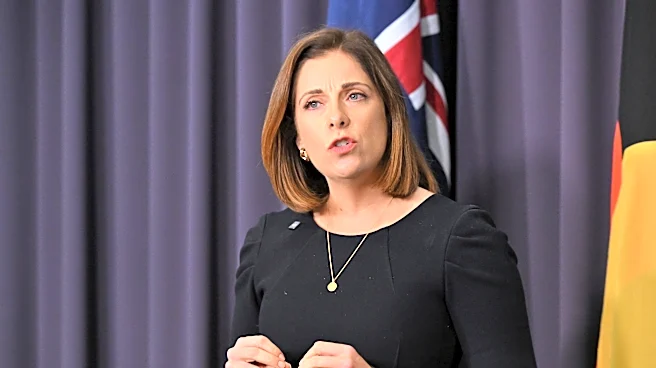
Australia and Mozambique recently engaged in discussions regarding potential mining investments in Maputo on November 24. Outgoing Australian High Commissioner Tegan Brink highlighted opportunities specifically linked to the energy transition during her
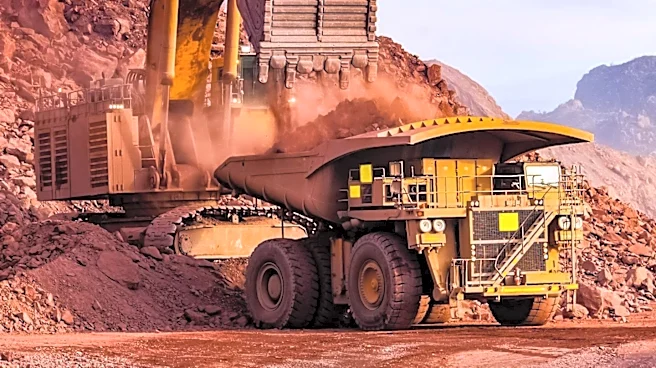
meeting with Mozambican President Daniel Chapo. While no new mining projects, agreements, or funding commitments were detailed, the discussions underscored the ongoing interest in the mining sector. Brink cited Syrah Resources' Balama graphite mine in Cabo Delgado province as an example of existing Australian investment, emphasizing Canberra's support for the company's long-term presence in Mozambique. Syrah Resources' Balama mine significantly increased its natural graphite production in the September quarter, supplying graphite to its Vidalia battery anode material plant in Louisiana, USA.
Why It's Important?
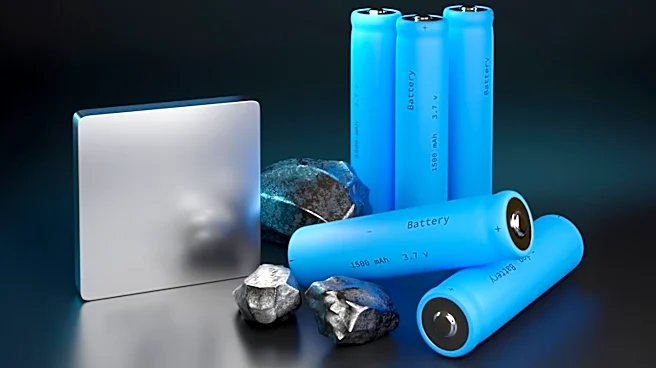
These discussions are important for the U.S. as they relate to the global supply chain of critical minerals essential for the energy transition. Syrah Resources' Balama mine, an Australian investment in Mozambique, directly supplies graphite to a U.S. plant in Louisiana for battery anode material production. This connection highlights the interconnectedness of international mining investments and U.S. manufacturing capabilities in the renewable energy sector. Increased investment and stable operations in Mozambique's graphite sector can directly impact the availability and cost of battery components for electric vehicles and energy storage systems in the U.S. Furthermore, the emphasis on domestic mineral processing by President Chapo could lead to value-added production within Mozambique, potentially influencing the form in which these critical minerals are traded globally and impacting U.S. import strategies.
What's Next?
Following these discussions, the focus will likely be on how Mozambique's call for more domestic mineral processing will be integrated into future investment strategies. This could lead to proposals for new processing facilities, such as a spherical graphite plant in Nacala-a-Velha, which would further enhance Mozambique's role in the battery supply chain. For Syrah Resources, continued operations and potential expansion at its Balama mine, supported by U.S. funding from the DFC, will be crucial. The U.S. will likely monitor these developments closely, as a stable and diversified supply of graphite from Mozambique is vital for its domestic battery manufacturing goals. Future engagements between Australia, Mozambique, and U.S. stakeholders may explore mechanisms to facilitate these investments and ensure the secure supply of critical minerals.
Beyond the Headlines
The discussions between Australia and Mozambique, particularly concerning critical minerals for the energy transition, underscore a broader global trend of nations securing supply chains for renewable technologies. The U.S. interest in Mozambique's graphite, via Syrah Resources, highlights the strategic importance of African mineral resources in the global shift away from fossil fuels. This also brings to light the ethical and environmental considerations of mining in developing nations, including ensuring fair labor practices, community benefits, and sustainable resource extraction. The push for domestic processing in Mozambique could lead to significant economic development for the country, but also raises questions about the necessary infrastructure, technological transfer, and regulatory frameworks to support such initiatives. This complex interplay of economic, environmental, and geopolitical factors will shape the future of critical mineral supply.