








What's Happening?
Natural deodorants are increasingly being adopted as an alternative to conventional antiperspirants, primarily due to their aluminum-free formulations. These products utilize ingredients such as magnesium, mineral salts, and activated charcoal to combat
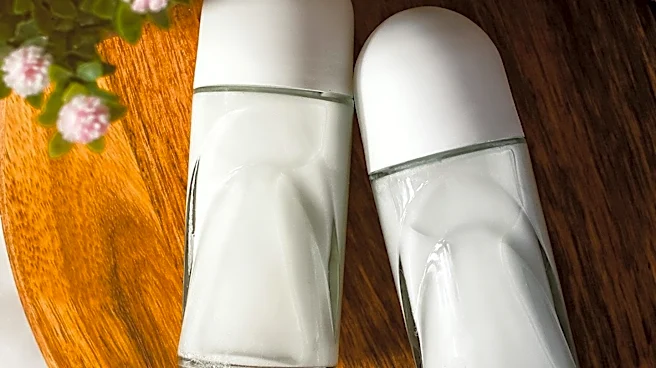
odor without blocking sweat glands. The mechanism involves targeting odor-causing bacteria on the skin, rather than inhibiting sweat production. Many natural deodorants also incorporate skin-friendly botanicals and are available in various formats, including sticks, roll-ons, sprays, and balms. A transition period of 2-4 weeks is often expected when switching from conventional antiperspirants, as the body adjusts to the new product. Consumers are advised to look for certifications like cruelty-free, dermatologist-tested, or certified organic to avoid 'greenwashing' claims.
Why It's Important?
The growing preference for natural deodorants signifies a broader shift in consumer awareness regarding personal care product ingredients and their potential health implications. The avoidance of aluminum, parabens, phthalates, carcinogens, and propylene glycol, commonly found in conventional antiperspirants, addresses concerns about skin irritation and the long-term effects of blocking natural bodily functions. This trend impacts the personal care industry by driving innovation in aluminum-free formulations and increasing demand for transparent ingredient labeling. For consumers, it offers choices that align with a desire for 'cleaner' and more natural products, potentially leading to improved skin health and reduced exposure to synthetic chemicals. The market is responding with a wider array of natural options catering to different skin types and preferences, including those for sensitive skin or specific environmental conditions.
What's Next?
The market for natural deodorants is expected to continue expanding, with ongoing research and development into new active ingredients and more effective formulations. Manufacturers will likely focus on enhancing odor protection, improving application experience, and offering a wider range of scents and formats to meet diverse consumer needs. Increased consumer education about the differences between deodorants and antiperspirants, and the benefits of natural ingredients, will be crucial. We may also see more stringent regulations or industry standards for 'natural' labeling to combat greenwashing and ensure product efficacy and safety. Brands that can effectively communicate their ingredient transparency and deliver reliable performance are poised for continued growth in this evolving segment.
Beyond the Headlines
The rise of natural deodorants reflects a deeper cultural shift towards holistic wellness and a critical examination of everyday products. This movement extends beyond personal care to food, household cleaners, and other consumer goods, indicating a growing distrust of synthetic chemicals and a preference for ingredients perceived as safer and more environmentally friendly. It also highlights the power of consumer demand in influencing product development and corporate practices. The emphasis on transparency and natural ingredients challenges traditional marketing strategies and encourages brands to adopt more ethical and sustainable approaches. This trend could lead to a re-evaluation of regulatory frameworks for cosmetic ingredients and a greater emphasis on long-term health impacts in product development across various industries.