




What's Happening?
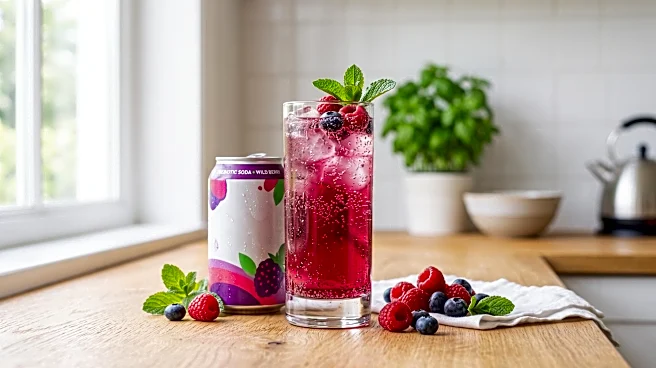
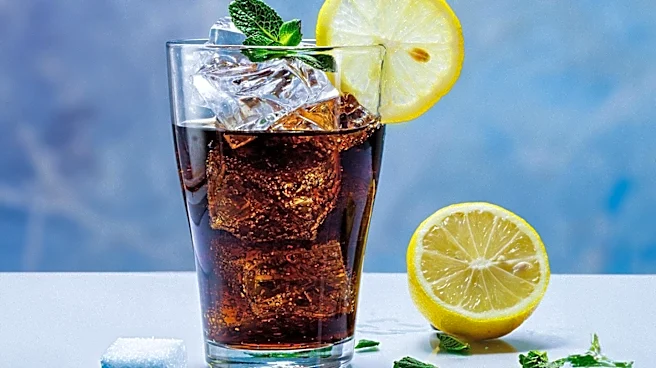
Prebiotic sodas are gaining traction as a healthier beverage option, distinguishing themselves from traditional regular and diet sodas. These carbonated drinks typically contain 2 to 5 grams of sugar per serving, significantly less than regular sodas,
and incorporate 2 to 9 grams of fermentable fibers like inulin and chicory root fiber. These fibers are crucial for supporting beneficial gut bacteria. When gut bacteria break down these prebiotics, they produce short-chain fatty acids, which are linked to various health benefits, including improved stool regularity, better lipid and glucose profiles, and reduced intestinal permeability, according to Ashley Oswald, RDN, LD, IFNCP. While diet sodas offer zero calories and sugar by using nonnutritive sweeteners, some research suggests these sweeteners might disrupt the gut microbiome and are associated with increased risks of obesity, type 2 diabetes, and cardiovascular disease. Prebiotic sodas, despite their potential benefits, should not replace whole-food sources of prebiotics and their long-term health effects are still under investigation.
Why It's Important?
The rise of prebiotic sodas is significant for the U.S. beverage industry and public health, as it addresses the growing consumer demand for functional foods and healthier drink alternatives. With over 90% of Americans not meeting their daily fiber intake needs, prebiotic sodas offer a convenient way to help bridge this nutritional gap. This trend could lead to a shift in consumer preferences away from traditional sugary drinks and potentially even diet sodas, impacting market shares for major beverage companies. For consumers, these sodas present an option to improve gut health and reduce sugar intake, aligning with broader wellness trends. However, the higher cost of prebiotic sodas compared to conventional options might limit their accessibility for some demographics. The ongoing research into the long-term health benefits and potential side effects, especially for individuals sensitive to fermentable fibers, will be crucial in shaping their future market acceptance and regulatory landscape.
What's Next?
The beverage market is likely to see continued innovation and expansion in the functional soda category, with more brands introducing prebiotic options. Consumers can expect a wider variety of flavors and formulations as companies compete in this emerging segment. Research into the long-term health impacts of prebiotic sodas, particularly concerning the efficacy of fiber amounts in commercial products versus supplements, will continue to evolve. This research will be vital for health professionals and consumers to make informed choices. Additionally, there may be increased scrutiny from health organizations regarding marketing claims and the overall nutritional value of these products. The trend also suggests a broader shift in dietary recommendations, emphasizing whole-food sources of prebiotics while acknowledging the role of fortified beverages as supplementary aids. The market will also likely see a focus on addressing potential gastrointestinal discomfort for sensitive individuals, possibly through new formulations or clearer labeling.
Beyond the Headlines
The emergence of prebiotic sodas reflects a deeper cultural shift towards proactive health management and the 'food as medicine' philosophy. This trend highlights a growing consumer skepticism towards artificial ingredients found in diet sodas and a preference for natural, functional components. It also underscores the increasing awareness of the gut microbiome's role in overall health, moving beyond just digestive regularity to encompass metabolic and even cognitive well-being. The challenge for the industry will be to balance the perceived health benefits with scientific evidence, avoiding the pitfalls of 'healthwashing' that have plagued other food trends. This movement could also spur innovation in other food and beverage categories, leading to a wider array of products fortified with prebiotics and other functional ingredients, ultimately reshaping the landscape of everyday consumables and influencing public health dialogues around diet and wellness.