





What's Happening?
Bosideng, a prominent Chinese downwear brand, made its official debut at Paris Fashion Week with a presentation titled 'The Bloom' at the historic Hôtel Pozzo di Borgo. This event marked the brand's 50th anniversary and its first appearance on the official Paris Fashion Week calendar,
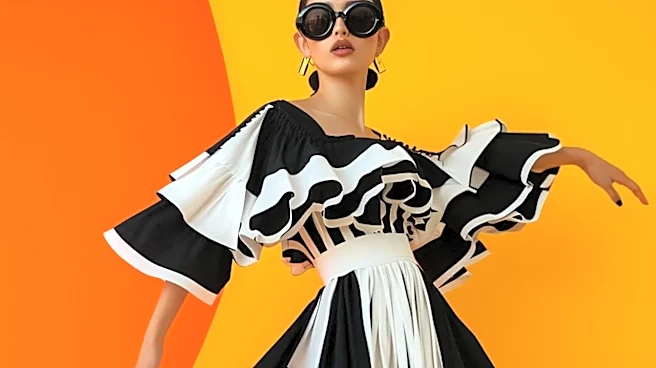
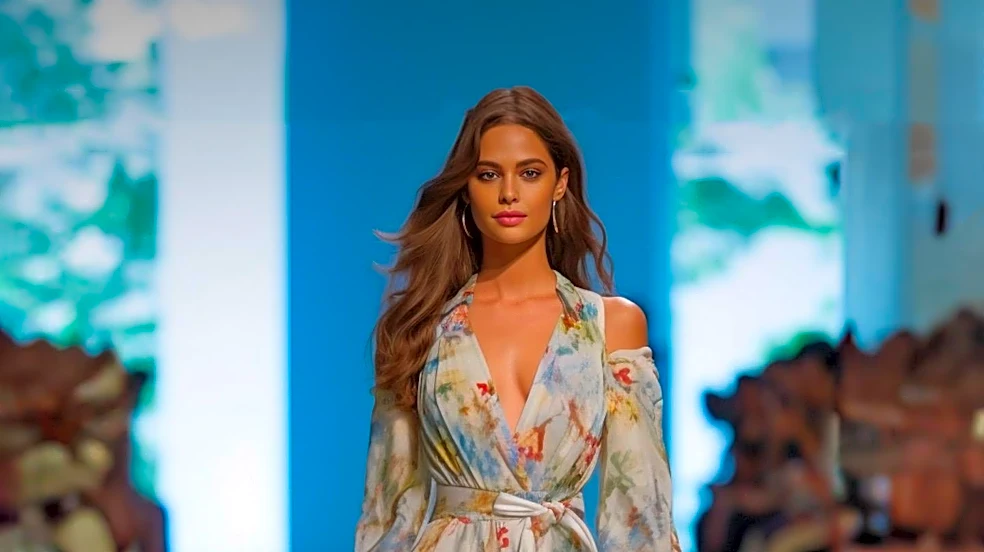
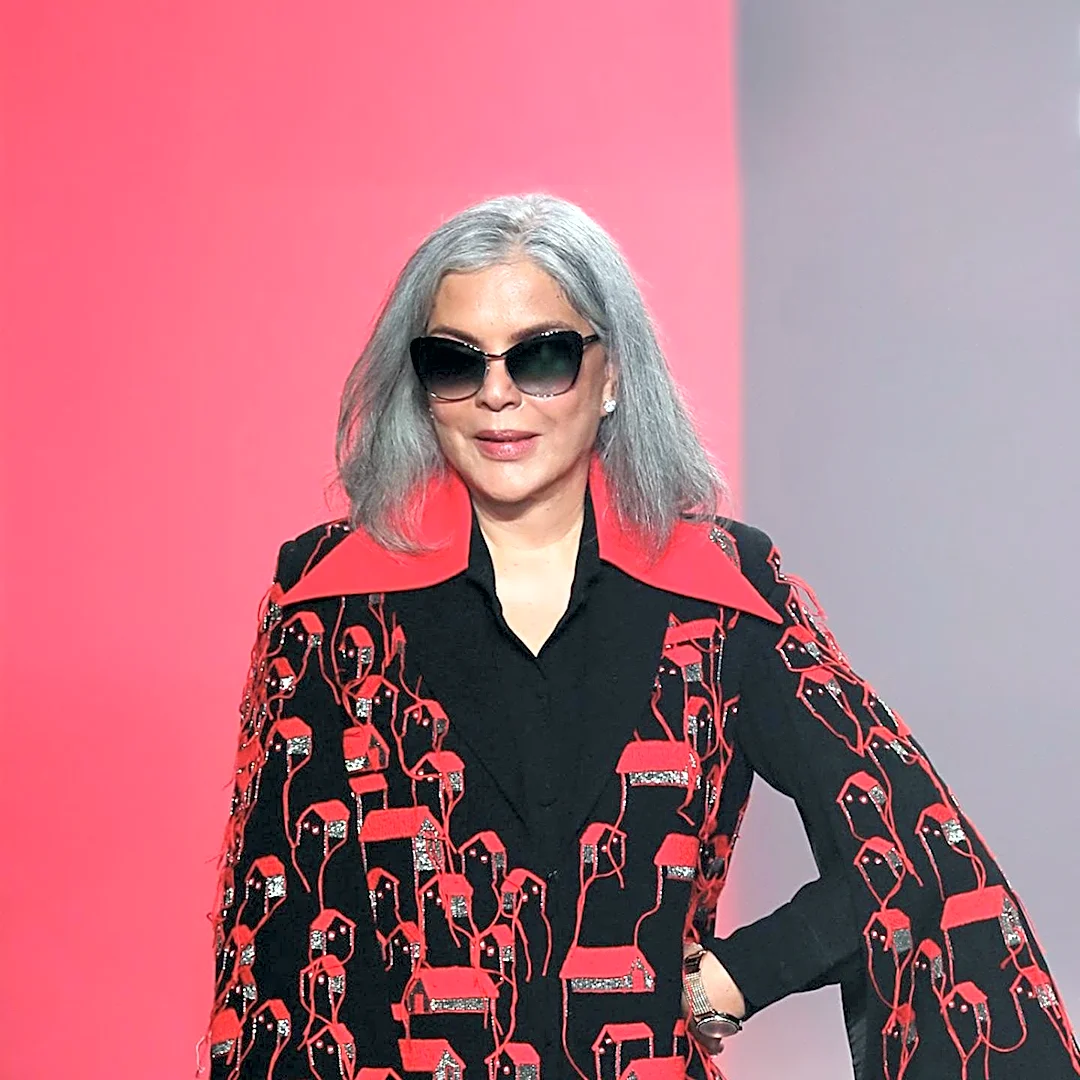
following previous shows in New York, Milan, and London. The collection, designed by Creative Director Pietro Ferragina, aimed to transform the down jacket from a winter essential into a fashion statement. It integrated Art Deco geometry with Chinese craftsmanship, including Haipai qipao-inspired tailoring and traditional Song brocade, creating silhouettes that combined warmth, structure, and movement. The collection featured four distinct lines: Extreme Cold, Outdoor, Business, and Puff, showcasing the versatility of downwear through sculptural evening looks, technical outerwear, and refined city dressing. A finale of pink down evening looks offered a softer interpretation of the material. Jet Gao, Group Vice President and General Manager of International Business at Bosideng Group, attended the event alongside international supermodel Coco Rocha and various figures from fashion, culture, and the arts.
Why It's Important?
Bosideng's debut at Paris Fashion Week signifies a strategic move to elevate the brand's global presence and establish downwear as a lasting element in international fashion. For the U.S. market, this could mean increased competition and diversification within the winterwear segment. As Bosideng expands its reach, currently selling in 72 countries and worn by over 200 million people, U.S. consumers may see more innovative and fashion-forward down jacket options. The brand's emphasis on combining Chinese craftsmanship with contemporary design could influence trends in the U.S. fashion industry, encouraging other brands to explore cultural fusion in their collections. This expansion also highlights the growing influence of Chinese brands in the global luxury and fashion markets, potentially shifting consumer perceptions and opening new avenues for cultural exchange through design. The brand's long-standing success in China, being the best-selling down jacket brand for 31 consecutive years, provides a strong foundation for its international ambitions, suggesting a well-resourced and experienced competitor entering the global stage.
What's Next?
Following its Paris Fashion Week debut, Bosideng is expected to continue its efforts to establish downwear as a significant presence in international fashion. The brand's 50th-anniversary celebrations extended to an exhibition tracing its design evolution and a gala at the Eiffel Tower, indicating a sustained marketing and brand-building strategy. Future collections will likely continue to explore the fusion of traditional craftsmanship with modern design, potentially leading to further collaborations with international designers, similar to its past partnerships with Jean Paul Gaultier, Kenzo Takada, and MSGM. The brand's increased visibility on a global platform like Paris Fashion Week could lead to expanded distribution channels and retail partnerships in key international markets, including the U.S. This strategic push aims to solidify Bosideng's position beyond its strong domestic market, challenging established international fashion houses in the winterwear category and influencing global fashion trends.
Beyond the Headlines
Bosideng's entry into Paris Fashion Week represents more than just a fashion show; it symbolizes a broader cultural and economic exchange between China and the global fashion industry. The brand's founder, Chairman & President Gao Dekang, views the Paris presentation as a reflection of five decades of expertise and a commitment to fostering cultural exchange. This move underscores the increasing soft power of Chinese brands on the international stage, moving beyond manufacturing to design and innovation. The integration of Haipai qipao-inspired tailoring and traditional Song brocade into modern downwear highlights a sophisticated approach to cultural appropriation versus appreciation, aiming to introduce Chinese heritage to a global audience in a contemporary context. This trend of brands from emerging economies asserting their creative identity in established fashion capitals could lead to a more diverse and globally representative fashion landscape, challenging traditional Western dominance and fostering a richer cross-cultural dialogue in design and aesthetics.