



What's Happening?
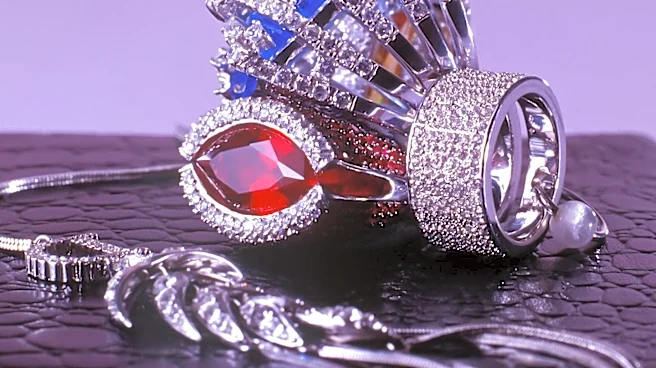
Kristen Nichols, Associate Director, Special Projects at Who What Wear, has identified key jewelry trends prevalent on the Upper East Side. Nichols, who previously worked at Rodarte on styling, photoshoots, and runway shows, highlights diamond stud earrings
as a staple, noting their discreet, polished, and expensive-looking appeal. She mentions brands like Dorsey and Tiffany & Co. as popular choices for these earrings. Beyond traditional pieces, Nichols observes a new ease in how jewelry is being mixed, with sport watches appearing alongside dainty bracelets and architectural earrings adding modernity to classic wardrobes. She emphasizes that the Upper East Side values jewelry as something that transcends trend cycles, with pieces like diamond studs and Cartier Tanks being worn for decades.
Why It's Important?
This insight into luxury fashion trends on the Upper East Side provides a glimpse into the purchasing habits and aesthetic preferences of a significant demographic within the U.S. luxury market. The emphasis on timeless pieces like diamond studs and classic watches, rather than fleeting trends, indicates a consumer base focused on investment and enduring style. This trend impacts luxury jewelry brands, influencing their design and marketing strategies to cater to a clientele that values longevity and understated elegance. The integration of sport watches with traditional luxury items also reflects a broader shift in lifestyle, where comfort and functionality are increasingly blended with high fashion, potentially opening new avenues for product development and cross-category collaborations within the U.S. retail sector. For retailers and designers, understanding these nuanced preferences is crucial for maintaining relevance and capturing market share in the competitive luxury goods industry.
What's Next?
The observations by Kristen Nichols suggest that luxury jewelry brands and retailers will likely continue to focus on classic, high-quality pieces that offer lasting value. We may see an increased emphasis on marketing campaigns that highlight the timelessness and versatility of diamond studs, classic watches, and other enduring designs. Furthermore, the trend of mixing sport watches with more delicate jewelry could lead to new product lines that bridge the gap between athletic wear and luxury accessories, catering to a consumer who seeks both practicality and sophistication. Designers might explore innovative ways to incorporate modern elements, such as architectural designs, into traditional jewelry to appeal to a clientele that appreciates both heritage and contemporary aesthetics. This could also influence how luxury fashion publications curate content, focusing more on styling advice that blends different jewelry categories.
Beyond the Headlines
The enduring popularity of classic jewelry pieces on the Upper East Side, as noted by Kristen Nichols, reflects a deeper cultural value placed on heritage, quality, and understated wealth in certain segments of American society. Unlike fast fashion, which prioritizes rapid consumption and fleeting trends, the luxury jewelry market in this demographic emphasizes investment pieces that can be passed down through generations. This approach to consumption has ethical and environmental implications, as it promotes durability and reduces waste compared to more disposable fashion items. The blend of sport watches with traditional luxury also signifies a shift in the perception of luxury itself, moving away from overt ostentation towards a more integrated and personal expression of style that accommodates an active lifestyle. This trend could influence broader consumer attitudes towards sustainability and mindful purchasing within the U.S. fashion industry.